



























Skywatchers have plenty to look forward to in July 2026, with astronomers describing the month as one of the year’s best opportunities for stargazing. From the brilliant appearance of Venus and the annual Buck Moon to the first Perseid meteors and prime Milky Way viewing conditions, July promises a busy calendar of celestial events.
Also Read | Is there really a best time to meditate? Expert says presence matters more than the clock
According to astronomy observations compiled by multiple skywatching guides, the best viewing conditions are expected between July 7 and July 14, when moonlight interference will be minimal.
Venus, Mars and The Milky Way take centre stage
One of the month’s first major events arrives on July 8, when Venus will appear extremely close to Regulus, the brightest star in the constellation Leo. The two objects will be separated by approximately one degree, creating one of July’s most striking post-sunset observations.
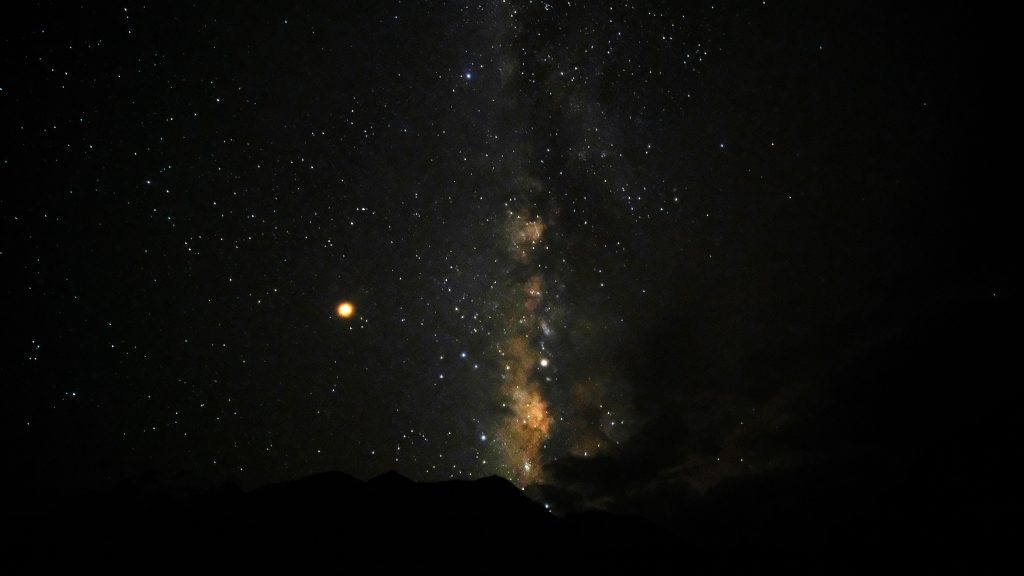
Another major highlight comes before sunrise on July 11. Astronomy publication Forbes has described the alignment of a thin waning crescent Moon with Mars, Aldebaran and the Pleiades star cluster in Taurus as one of the month’s most picturesque celestial displays.
The period between July 7 and July 14 is also expected to provide some of the best opportunities of the year to observe the Milky Way, particularly from locations with minimal light pollution.
Meanwhile, New York City’s famous Manhattanhenge phenomenon will return on July 11 and 12, when the setting Sun aligns perfectly with Manhattan’s east-west street grid.
Buck Moon and meteor showers to end July
The annual Perseid meteor shower officially begins on July 17, although its peak activity is expected on August 12. The same evening, a waxing crescent Moon will appear close to Venus after sunset.
The month’s biggest lunar event arrives on July 29, when the Full Buck Moon reaches its peak illumination at 10:36 am EDT. While many regions will experience the exact full phase during daylight hours, observers will get the best view during moonrise later that evening.
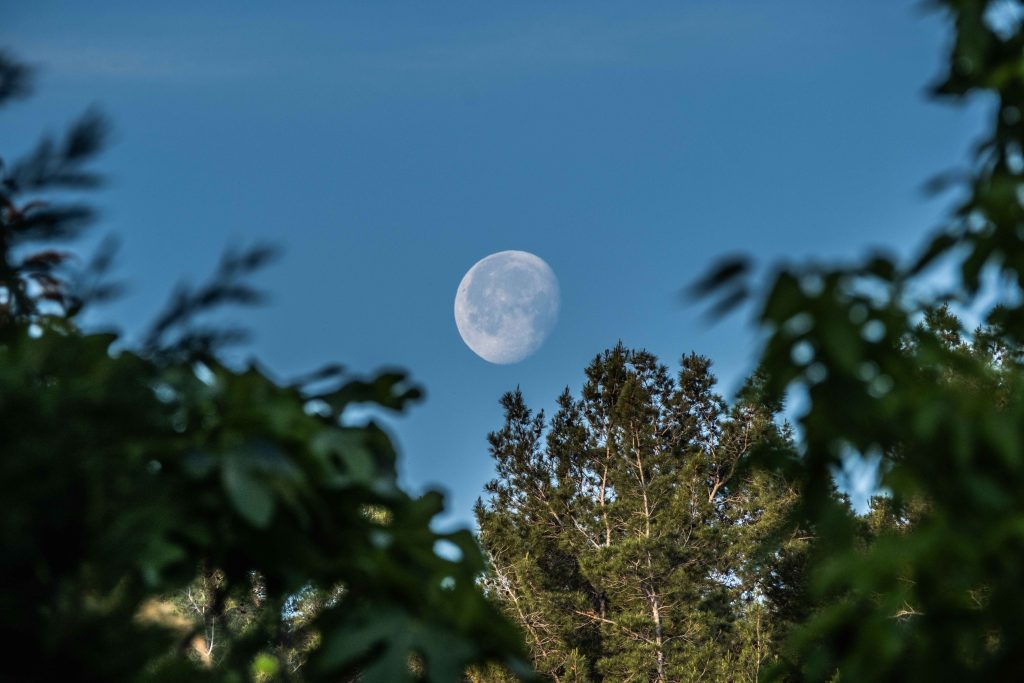
The Buck Moon got its name from the traditions related to the seasons among Native Americans, indicating the time of year when male deers, or bucks, start regrowing their antlers.
Also Read | Why dark tourism is becoming a $32.8 billion global industry
Two meteor showers take place in July and peak between July 30 and July 31. The first is the Southern Delta Aquariids, which can show up to 25 meteors per hour in optimal conditions. The other one is the Alpha Capricornids, characterized by the ability to produce bright fireballs.
Nevertheless, scientists believe that this year there may be decreased visibility because of the residual glow from the full Buck Moon.
Astronomical predictions suggest that the month of July 2026 will have one of the most varied observation schedules.
FAQs
Q1. When does the Full Buck Moon occur in July 2026?
The Buck Moon will be brightest on July 29, 2026, at 10:36 am EDT, and the best viewing time will be at moonrise.
Q2. When does the Perseid meteor shower peak in 2026?
The Perseid meteor shower occurs from July 17 and peaks on August 12, 2026.
