


























Russia fired nearly 40 ballistic missiles at Kyiv over about 40 minutes in an overnight assault that Ukrainian officials said was the largest of its kind since the start of the war.
Local authorities said at least one person was killed and at least 15 injured, while police said the strikes spread across six districts of the capital and damaged homes, businesses, industrial facilities, a dormitory, and vehicles.
The attack came as Kyiv continued to face near-daily Russian strikes and a shortage of Patriot air-defense missiles, which Ukraine regards as its strongest protection against ballistic weapons.
Also Read | Why Balochistan’s independence claim poses a bigger challenge for Pakistan than PoK
Overnight, Russia carried out one of its largest ballistic missile attacks on Kyiv. The enemy launched more than 40 missiles of various types – most of them against the capital – and 120 attack drones.
— Volodymyr Zelenskyy / Володимир Зеленський (@ZelenskyyUa) July 19, 2026
As of now, one person has been reported killed in Kyiv and the region, and 16… pic.twitter.com/YMWDlB6wGA
The city finds itself under fiercest fire
Russia has launched ballistic missiles in at least seven large-scale attacks on Kyiv in July alone, intensifying pressure on Ukraine’s air defense network in the fifth year of the war.
The Ukrainian air force said it shot down 18 of the 41 missiles launched overnight, underscoring how much of the burden still falls on a defensive system that is already stretched thin.
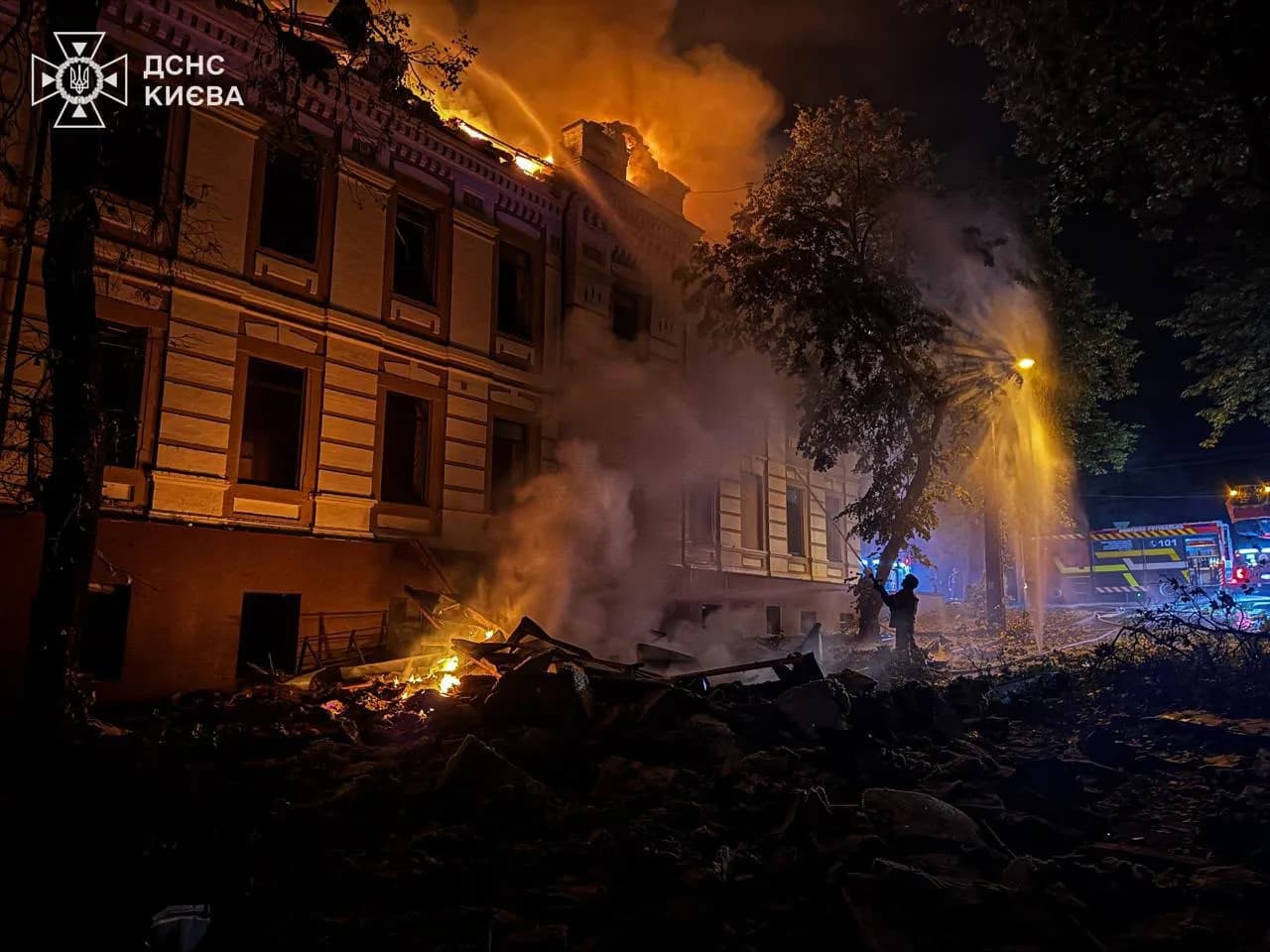
The latest assault also left fires burning across the city as emergency services raced to contain damage in residential and non-residential buildings.
The coward in Moscow, who is afraid to meet with President Zelenskyy to end the war, continues to wage a war against civilians.
— Andrii Sybiha 🇺🇦 (@andrii_sybiha) July 19, 2026
Russia unleashed the largest number of ballistic missiles since the start of the war — around four dozen — in a brutal terrorist attack on the… pic.twitter.com/pqmwwlq7cX
A contest of missiles and resolve
Foreign Minister Andrii Sybiha called the strike “a brutal terrorist attack on the Ukrainian capital” and said, “We need devastating pressure on Moscow to end this terror.”
President Volodymyr Zelenskyy said, “Protection against ballistic missiles is our constant and top priority right now,” and added, “Interceptors are needed every day,” as Kyiv pressed international partners for faster deliveries of anti-ballistic capabilities.
The comments came as Ukrainian officials continued to frame air defense as the country’s most urgent battlefield need.
🚨🇺🇦Apocalyptic scenes from Kyiv after Russia's overnight ballistic missile strikes.
— Mario ZNA (@MarioBojic) July 19, 2026
Russia fired 40 ballistic missiles at military targets in Kyiv, all hitting their targets.
As with previous strikes, the missiles were guided to avoid civilian casualties. pic.twitter.com/Nwsf77GxSW
Morning brought little comfort
Emergency workers spent the night battling fires in several parts of Kyiv, including the Shevchenkivskyi and Sviatoshynskyi districts, where rescuers pulled people from burning buildings before later finding one person dead, according to Ukrainian authorities.
The State Emergency Service said the strikes also damaged a non-residential building and set off blazes in other districts.
Ukrainian officials also reported drone attacks in Dnipropetrovsk and Zaporizhzhia, where separate strikes killed a regional resident and a train conductor, widening the toll from a night of attacks that again put Ukraine’s air-defense shortfall at the center of the conflict.
Also Read | China seeks compensation after UK nationalises British Steel, says move ‘seriously damaged’ Jingye’s rights
FAQs
Q1: Why is Russia’s latest attack on Kyiv significant?
Russia’s overnight strike was described by Ukrainian officials as the largest ballistic missile attack on Kyiv since the full-scale invasion began in 2022.
Q2: What damage did the missile attack cause in Kyiv?
The attack killed at least one person, injured at least 15 others, and damaged residential buildings, businesses, industrial sites and other infrastructure across multiple districts.
