









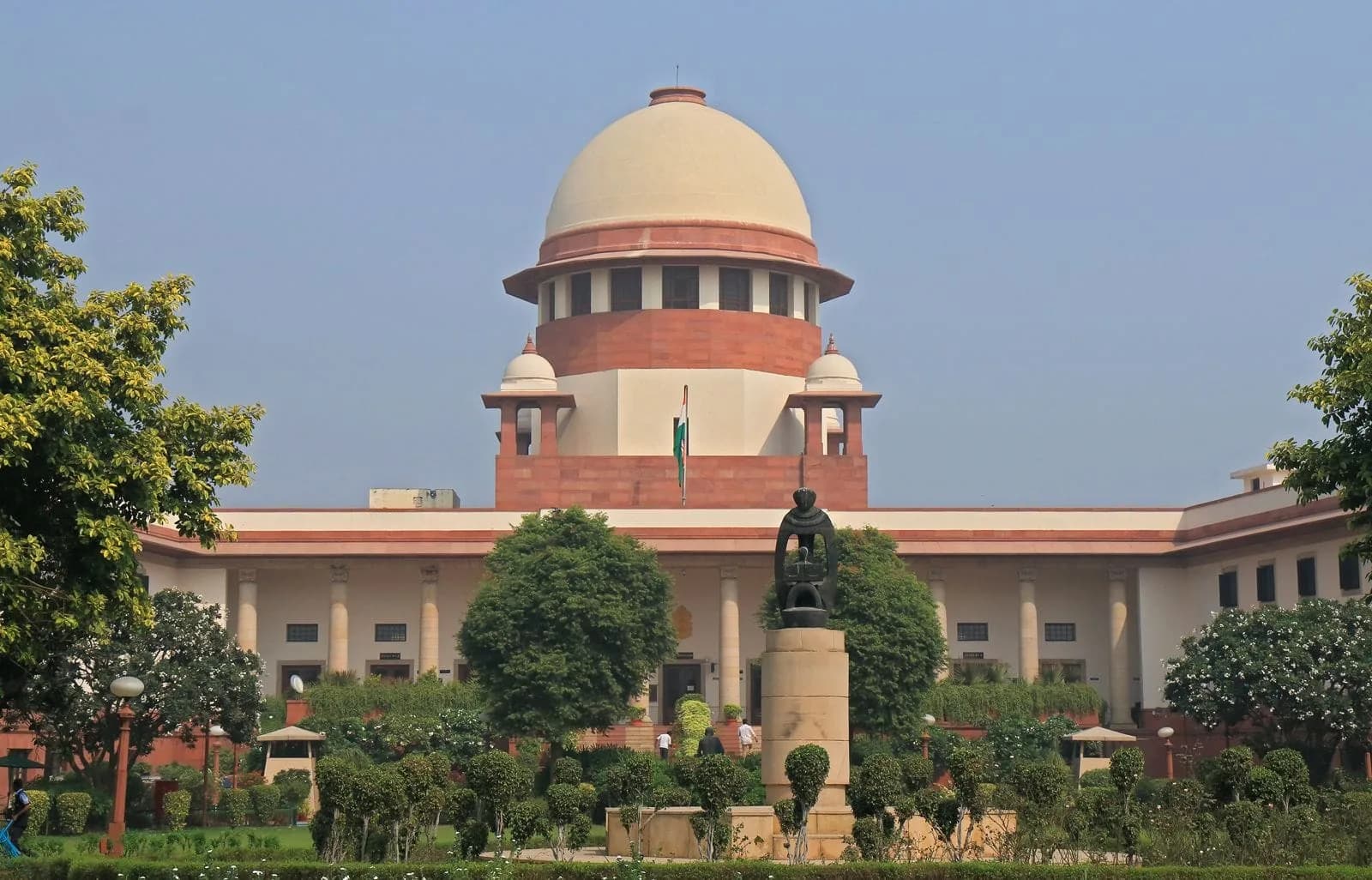











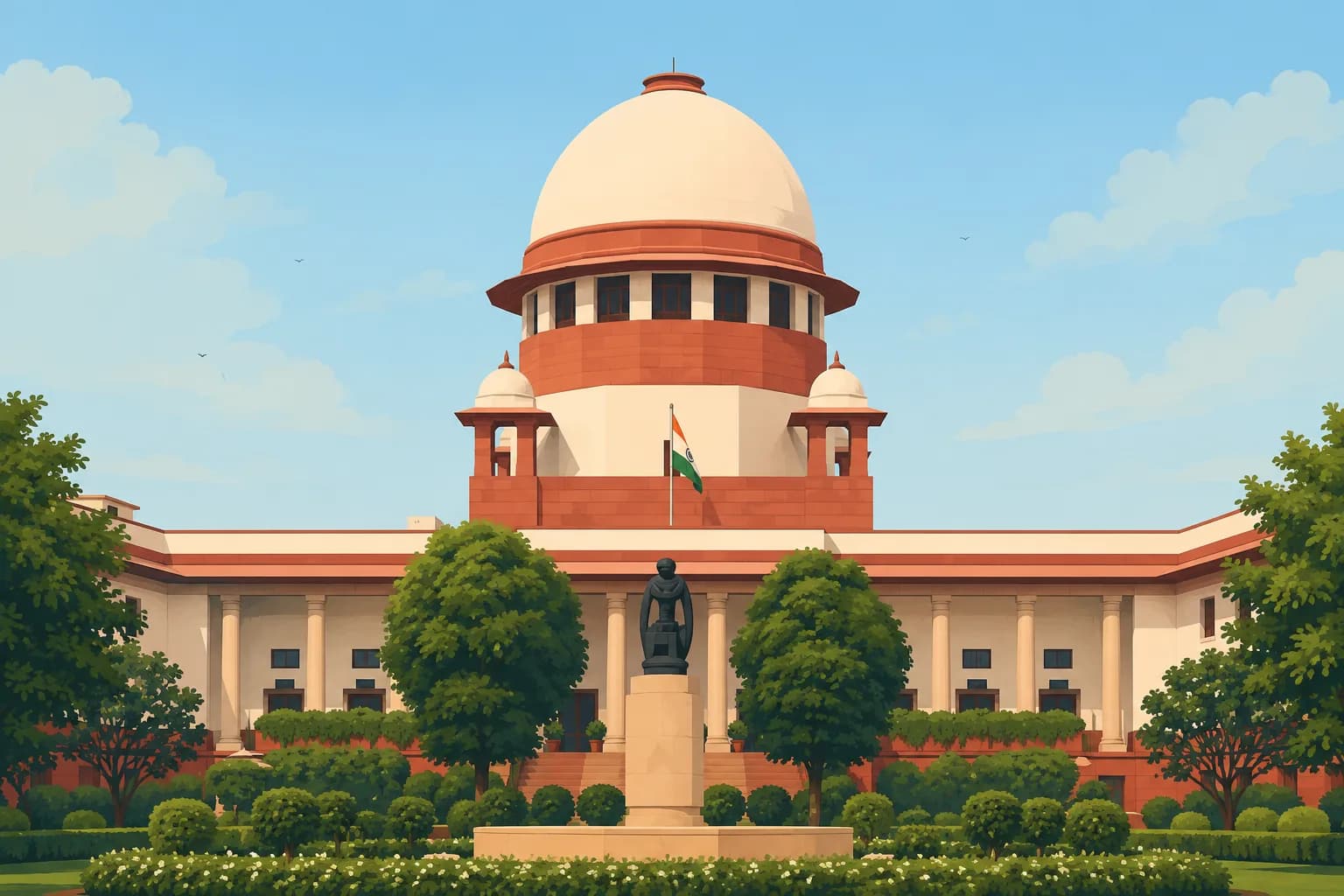
The Supreme Court on Friday, July 17, 2026, came down heavily on two private hospitals in Ghaziabad over allegations that they refused timely treatment to a four-year-old rape victim who later died of her injuries.
A bench led by Chief Justice of India Surya Kant said the conduct described before it showed a “merciless” and “ruthless” attitude and directed the hospitals to make voluntary donations to the victim’s family, warning that failure to comply would attract costs.
Also Read | Sonam Wangchuk’s wife questions hospitalisation, says no treatment has begun amid report transparency row
Inside India's Courtrooms ⚖️
— LawBeat (@LawBeatInd) July 17, 2026
Hearing a case concerning the alleged denial of medical treatment to a child rape survivor in Ghaziabad, the Supreme Court came down heavily on the doctor, questioning whether treatment was denied "only because she is a poor child" and observing that… pic.twitter.com/pSr8NwIz04
A sorrowful trail of unanswered duty
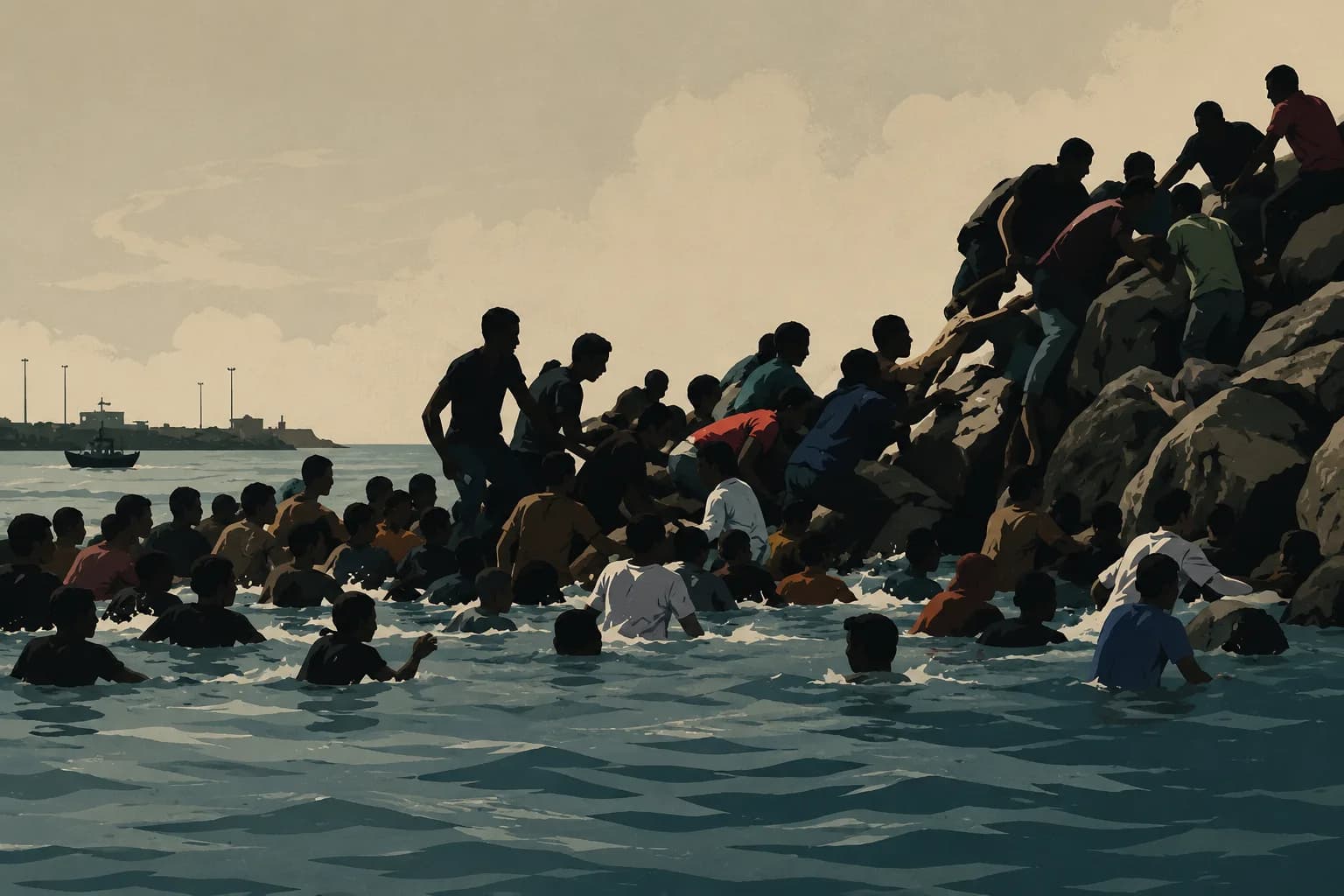
The case stems from the alleged rape and murder of the child in March in Ghaziabad, Uttar Pradesh. According to the family’s account recorded in court, the girl was taken away by a neighbor on the pretext of buying chocolates, later found unconscious and covered in blood, and then taken to two private hospitals that allegedly refused admission.
She was later brought to a Ghaziabad district hospital, where doctors declared her dead. The father has alleged that the child was alive for about two hours after she was found and that timely treatment could have saved her life.
[ Case concerning the rape of a child in Ghaziabad]
— Bar and Bench (@barandbench) July 17, 2026
CJI to BAMS doctor: A child is brought before you and you are so merciless you did not provide medical care. If you had any empathy you would have taken her to the jospital yourself..
CJI to the hospital: When we impose… pic.twitter.com/XsKapilFzz
Duty, said the court, admits no excuses
The bench’s remarks were especially sharp against an Ayurvedic doctor who failed to provide initial care.
“You have no business writing ‘doctor’ with your name if you don’t perform your duty,” the court said, according to the reports. It also questioned whether the child was turned away because her family could not pay.
“If you had sensitivity, you would have gone with the child to another hospital if you didn’t have the facility. You ignored her because she was poor? Couldn’t afford your fee,” the Chief Justice said.
The court further said, “A child victim of such a heinous crime is brought before you, and you are so merciless that you did not provide medical care.”
Justice, at long last, demands its due
The hearing followed earlier Supreme Court observations that the response of both police and private hospitals in the case appeared “inhuman, indifferent, and insensitive.”
In an earlier hearing, the court had also noted alleged lapses in the police probe, including the delay in registering the FIR and the initial omission of sexual assault charges despite post-mortem findings.
A Supreme Court-appointed SIT later found substance in the family’s allegations that the hospitals had not provided timely care. The top court has now linked the question of compensation to accountability, underscoring that the issue before it goes beyond financial relief for the bereaved family.
FAQs
Q1: Why did the Supreme Court criticise the Ghaziabad hospitals?
The Supreme Court said the hospitals allegedly failed to provide timely medical care to a four-year-old rape victim and questioned their professional conduct.
Q2: What directions did the Supreme Court issue in the Ghaziabad child rape case?
The court asked the hospitals to make voluntary donations to the victim’s family and warned that costs could be imposed if they failed to comply.
