




























The developing 2026-27 El Nino is strengthening at an unprecedented pace and could become the most powerful event recorded in at least 150 years, according to an analysis by climate scientist Zeke Hausfather, research scientist at Berkeley Earth and climate research lead at Stripe.
Drawing on 667 ensemble forecasts from 14 leading seasonal climate models, Hausfather said the event is projected to surpass the historic 1997-98 and 2015-16 El Nino episodes by a margin never before observed.
Also Read | Why is kharif sowing still lagging despite better July rainfall? Here’s what the figures say
“The models are forecasting something outside the envelope of anything we have ever observed,” Hausfather wrote in his latest analysis.
Why are scientists calling this El Nino extraordinary?
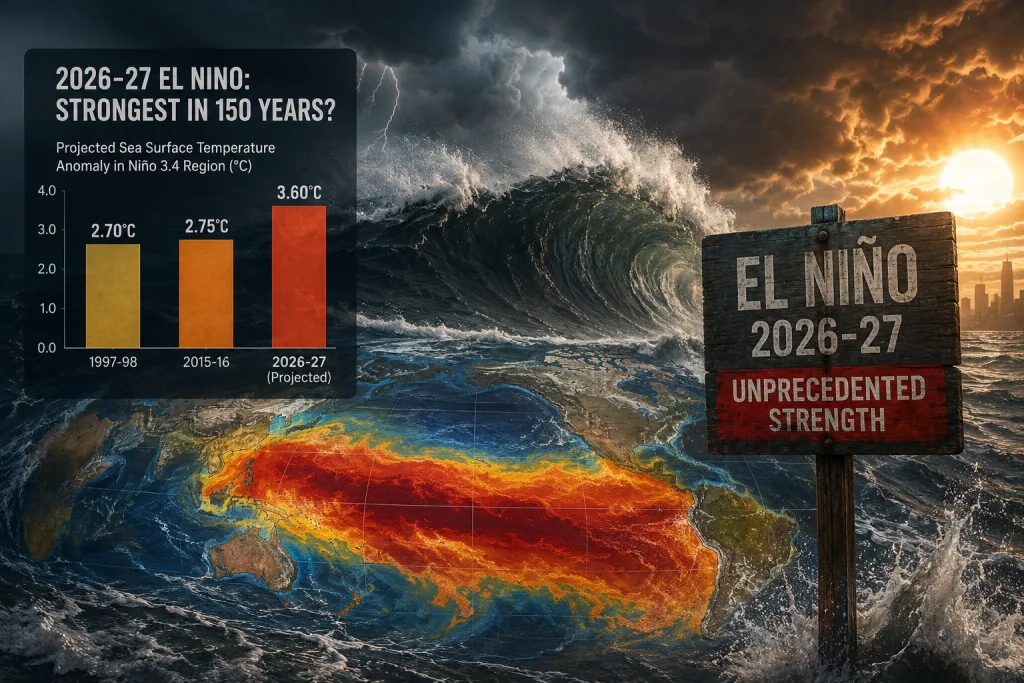
According to the analysis, the multi-model median projects the El Nino to peak at a 3.6°C sea surface temperature anomaly in the Niño 3.4 region of the tropical Pacific.
That is nearly 0.8°C warmer than the previous record of 2.75°C, set during the 2015-16 El Nino.
Scientists say the event is also developing unusually quickly. Unlike the 2015-16 episode, which emerged from already warm Pacific conditions, the current El Nino developed after La Nina-like conditions earlier this year.
The analysis found that 91% of model simulations project the 2026-27 event to exceed the previous record, while 77% still rank it as the strongest on record even after accounting for long-term ocean warming using the Relative Oceanic Niño Index (RONI).
What could this mean for India and the world?
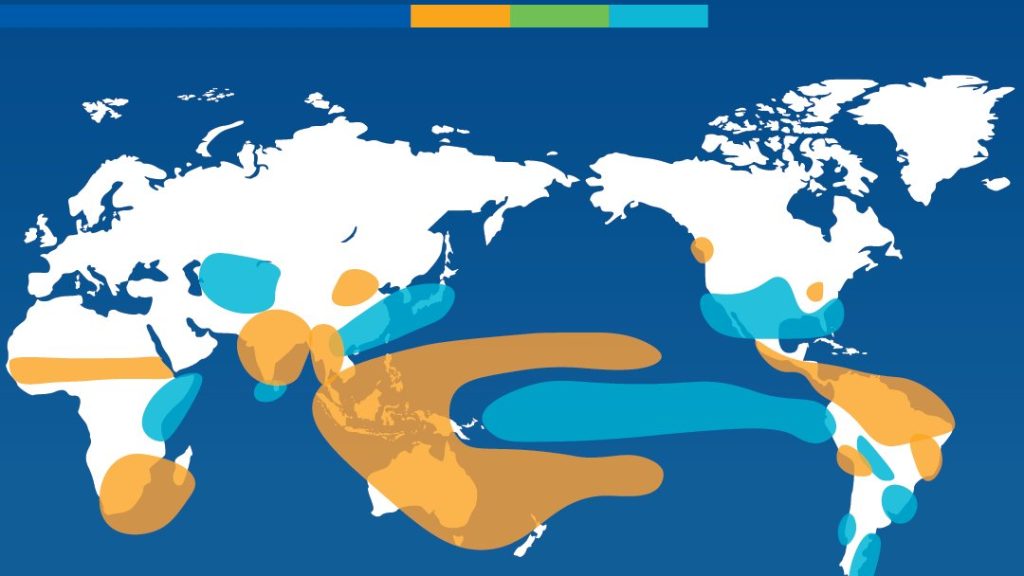
Historically, strong El Nino events have been associated with heatwaves, droughts, floods, crop losses and marine heatwaves across different parts of the world.
For India, an intense El Nino generally weakens the southwest monsoon by disrupting moisture transport over the Indian Ocean, although rainfall patterns can still vary because of other climate influences.
Scientists are also closely monitoring whether this exceptionally strong El Nino, combined with human-induced climate change, could trigger another phase of record global temperatures similar to—or even exceeding—those experienced during 2023 and 2024.
Also Read | Who is Jordan Brown? What we know after Nepal border detention
While Hausfather cautioned that seasonal forecasts carry uncertainty, he noted that such a high level of agreement across multiple climate models is relatively uncommon.
FAQs
Q1. Why is the 2026-27 El Nino being called a ‘Godzilla’ El Nino?
Scientists use the term informally because climate models project it could become the strongest El Nino recorded in at least 150 years, surpassing previous record events.
Q2. How could a strong El Nino affect India?
A strong El Nino often weakens the southwest monsoon, increasing the risk of below-normal rainfall, higher temperatures and weather-related disruptions, though regional impacts can vary depending on other climate factors.
