























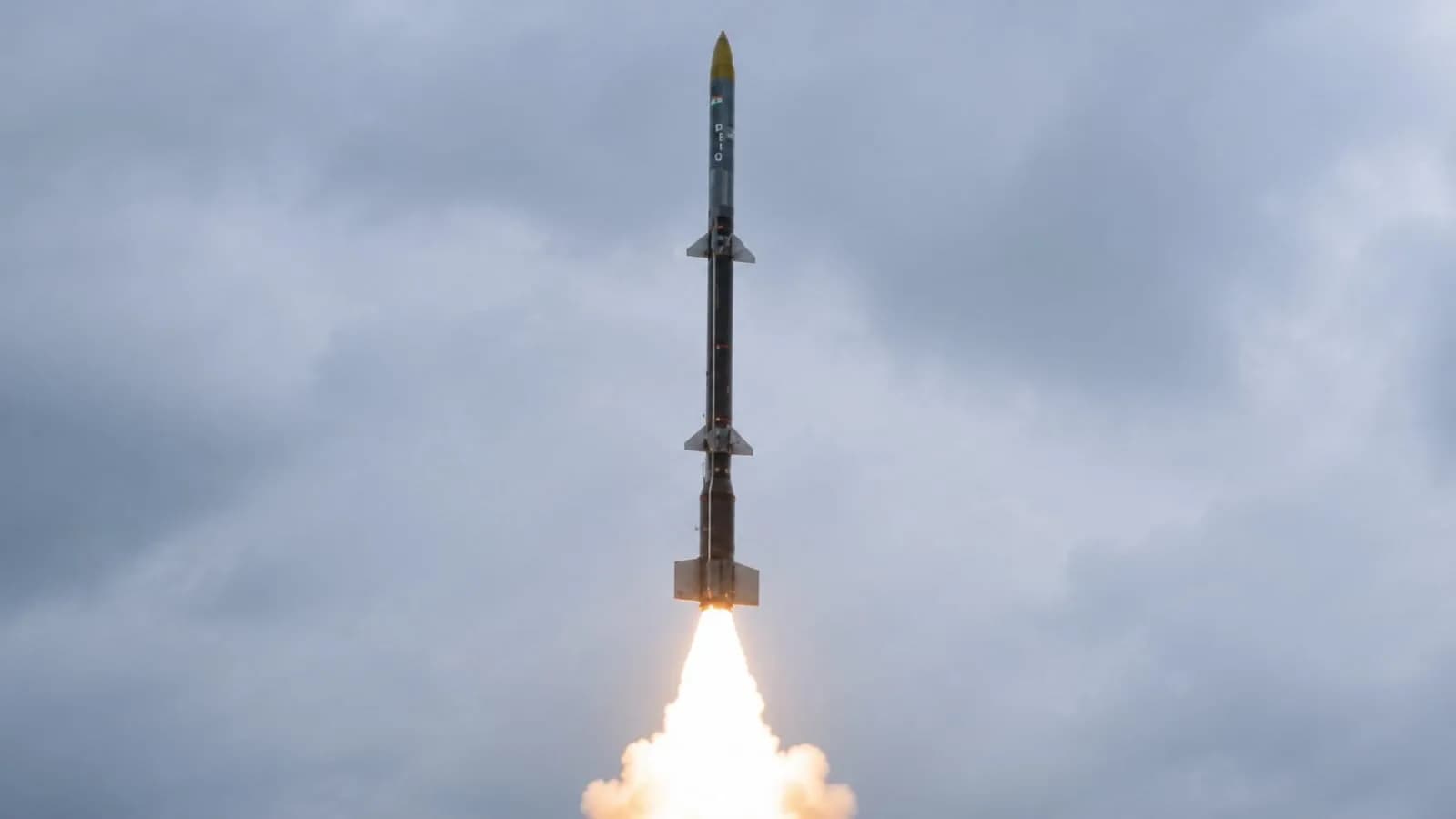
Prime Minister Narendra Modi’s Mission Sudarshan Chakra, India’s anti ballistic missile shield, is moving forward quickly.
The Defence Research and Development Organisation, or DRDO, is expected to test fire three interceptor missiles under Project Kusha over the next 12 months. These interceptors will cover ranges from 120 kilometres to 400 kilometres.
First test already done
Also Read | CWG 2026 opens with Mirabai, Lovlina leading India’s challenge
On Thursday, DRDO carried out the first test firing of the Kusha M1 interceptor, which has a range of 120 kilometres. This test took place off the coast of Odisha. Two more tests are lined up next.
The M2 interceptor, with a range of 150 kilometres, will be tested next, followed by the M3 interceptor, which is designed to hit targets up to 400 kilometres away.
DRDO successfully conducted the maiden flight-test of the indigenous ‘Kusha’ Long-Range Surface-to-Air Missile from APJ Abdul Kalam Island, Odisha, successfully intercepting a high-speed, high-altitude aerial target. The advanced system is capable of engaging a wide spectrum of… pic.twitter.com/BjJo74PcAx
— Ministry of Defence, Government of India (@SpokespersonMoD) July 23, 2026
What Project Kusha means for India
Also Read | NEET paper leak: Supreme Court seeks lasting reforms, rejects ad hoc fixes
Project Kusha was approved by the Cabinet Committee on Security back in May 2022, but the project gained real momentum only after Operation Sindoor.
During that operation, Pakistan fired close to 1000 missiles and drones at India. None of them hit their targets, as India’s Akash Teer missile system successfully intercepted every one.
All three Kusha interceptors are long range surface to air missiles built to take down any aerial threat to India.
Together, the M1, M2 and M3 will fill the gap between India’s existing 80 kilometre range medium range surface missile and the S400 air defence system. Once ready, they will form the backbone of India’s anti ballistic missile system.
Why this project became a top priority
Also Read | Supreme Court Metro shut amid protests, CJI says he’ll intervene if station isn’t reopened
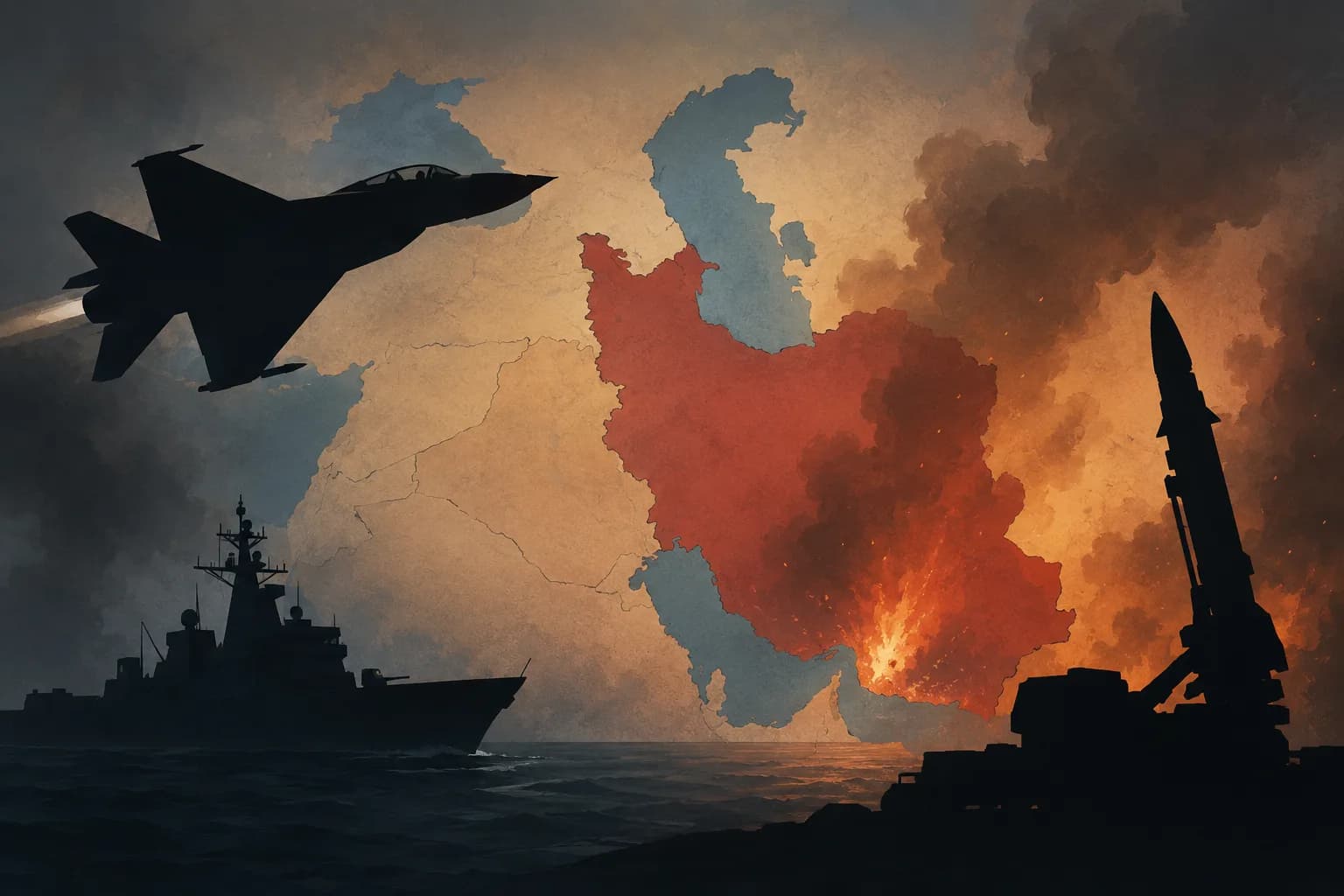
The Modi government has now made Project Kusha a top priority. Two recent conflicts pushed this decision, Operation Sindoor and the Iran US war. Both showed that future wars will rely heavily on standoff weapons such as missiles and drones.
Since February 28, Iran has fired thousands of drones and missiles at Gulf countries and Israel, and managed to hit targets even though the US, Israel and Gulf nations had anti ballistic missile systems in place.
It was during Operation Sindoor that the Indian armed forces realised they needed a long range surface to air missile system to protect fighter jets, military assets and important infrastructure.
Along with the interceptors themselves, Project Kusha also includes long range radars that can detect enemy missile launches across the border early, giving India time to prepare and neutralise the threat.
More S400 systems on the way
Anti ballistic missile defence remains a top concern for India. The country is now waiting for its fifth S400 system from Russia, which is expected to arrive in November this year.
Work has also begun on acquiring five more S400 systems through the buy and make route. Once regulatory approvals come through, India will have bought more than 280 S400 missiles from Russia in total.
Since Operation Sindoor has not officially ended, India continues to strengthen its long range missile capability, keeping in mind the possibility that Pakistan could once again turn to terrorism against India.
FAQs
1. What is Mission Sudarshan Chakra?
It is Prime Minister Narendra Modi’s plan to build India’s anti ballistic missile shield.
2. What is Project Kusha?
It is a DRDO programme to develop three long range interceptor missiles, M1, M2 and M3, to shoot down enemy missiles and drones.
