









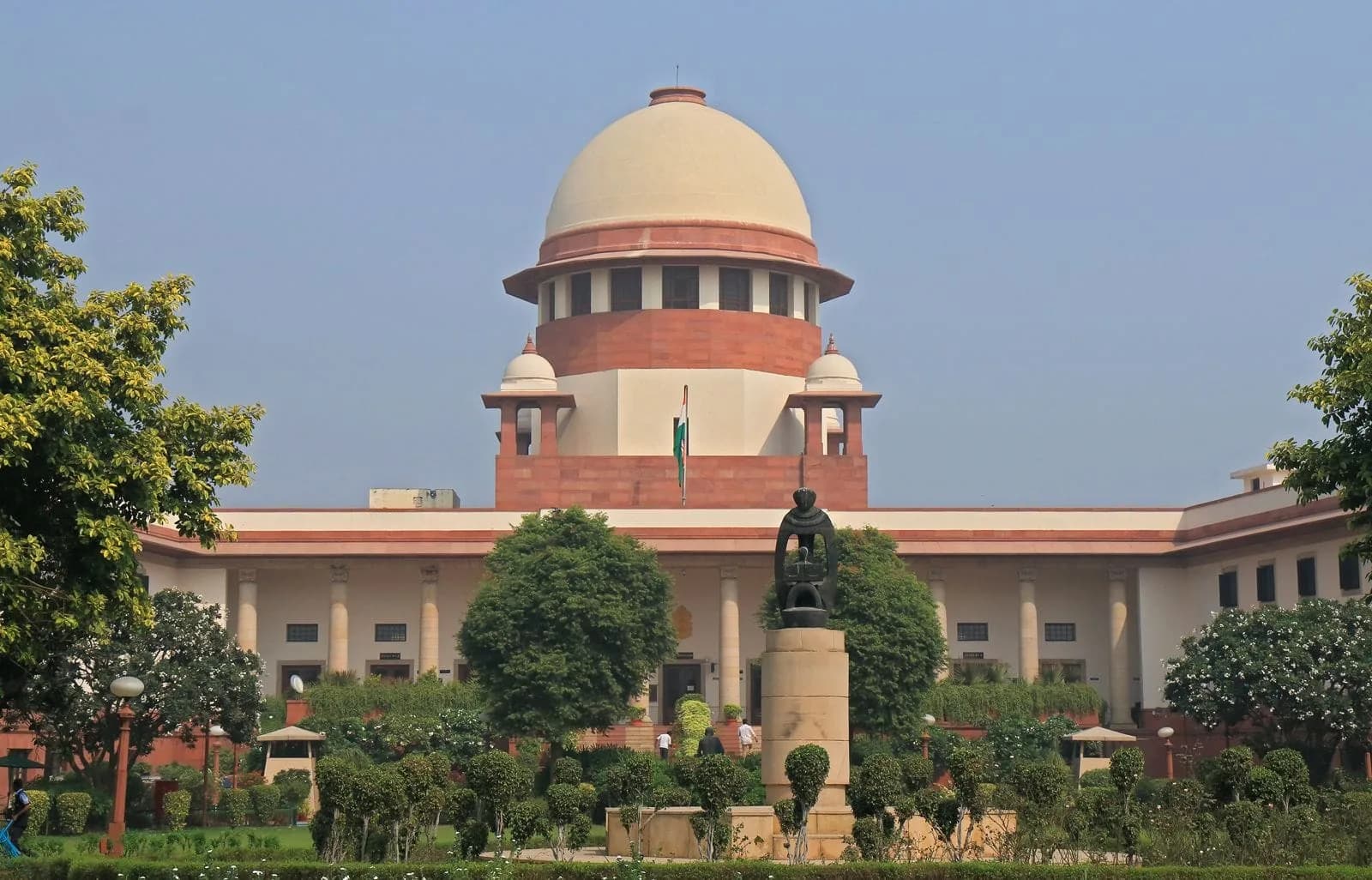












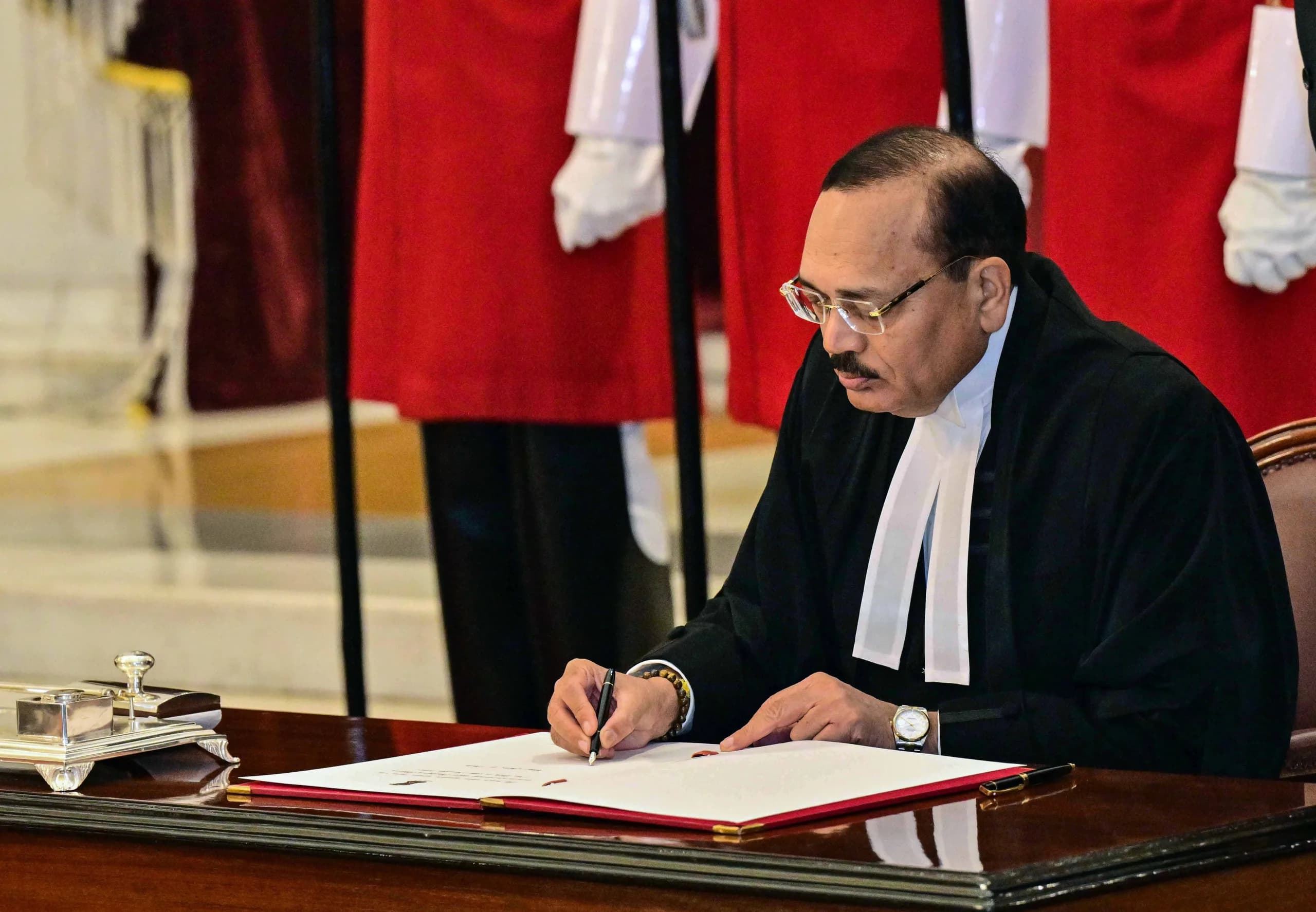
The fallout from the protests at Jantar Mantar spilled into the Supreme Court on Thursday after the closure of several Delhi Metro stations, including the one serving the top court complex, began affecting access for lawyers, court staff, and other regular users.
At least 16 metro stations in the Capital remained shut as the demonstrations continued, with the Supreme Court metro station among those closed.
The issue was brought before the court by Supreme Court Bar Association president Vikas Singh, who told the bench that the situation was causing practical difficulties for people trying to reach court on time.
Also Read | CJP says Pradhan’s resignation is ‘non-negotiable’, protest to continue
We will intervene if Supreme Court metro station is not opened by today afternoon: CJI Surya Kant
— Bar and Bench (@barandbench) July 23, 2026
Read here: https://t.co/SFwWOsKT6H@OfficialDMRC pic.twitter.com/CUPU0dVjgL
A courtroom caught in the crossfire
Singh pointed out that many lawyers and court staff were unable to reach the court because of the shutdown around the Supreme Court area.
He suggested that people with valid Supreme Court entry passes and registry staff should be allowed to exit from the Supreme Court Metro station after proper security screening.
Singh said that passengers could be screened at the exit point and then allowed to use the train system, so access to court would remain possible despite the restrictions.
The matter, he argued, needed immediate intervention because the closure was affecting the court’s daily functioning.
Delhi Metro Rail Corporation announces that 17 Metro stations will be closed from 07:30 AM tomorrow till further instructions
— ANI (@ANI) July 23, 2026
The metro stations are: 1. Lok Kalyan Marg 2. Rajiv Chowk 3. Patel Chowk 4. Ramakrishna Ashram Marg 5. Barakhambha Road 6. Supreme Court 7. Seva Teerth… pic.twitter.com/MLRb2cwtus
The bench signals it means business
The Chief Justice of India, Surya Kant, responded that the Supreme Court administration had already been asked to take up the matter with the Metro authorities.
He assured the Bar that he would personally step in if the issue remained unresolved. He said, “If by lunchtime something does not happen to open the Metro station, I will intervene. We have directed that no adverse orders should be passed today for non-appearance of lawyers, etc.”
The statement came as the court weighed the wider impact of the closures on legal proceedings and on those who depend on the station for routine access to the court complex.
Meanwhile, the city waits on the tracks
The Delhi Metro had announced on Thursday morning that 16 stations, including the Supreme Court station, would remain closed until further orders.
The shutdown came amid intensified protests at Jantar Mantar, which had already disrupted movement across central Delhi. By the time the matter reached the Supreme Court, the focus had shifted from the protest site itself to the operational strain on the capital’s judicial and transport systems, with the court indicating that it expected a resolution within hours rather than days.
Also Read | RAF officer Sonia Sehrawat’s ‘Can’t fix themselves…’ Instagram post sparks political row
FAQs
Q1: Why was the Supreme Court Metro station closed?
The station was closed along with several others in Delhi due to security measures linked to the ongoing protests at Jantar Mantar.
Q2: What did the Chief Justice say about the Metro station closure?
Chief Justice of India Surya Kant said he would intervene if the Supreme Court Metro station was not reopened by lunchtime.
