


























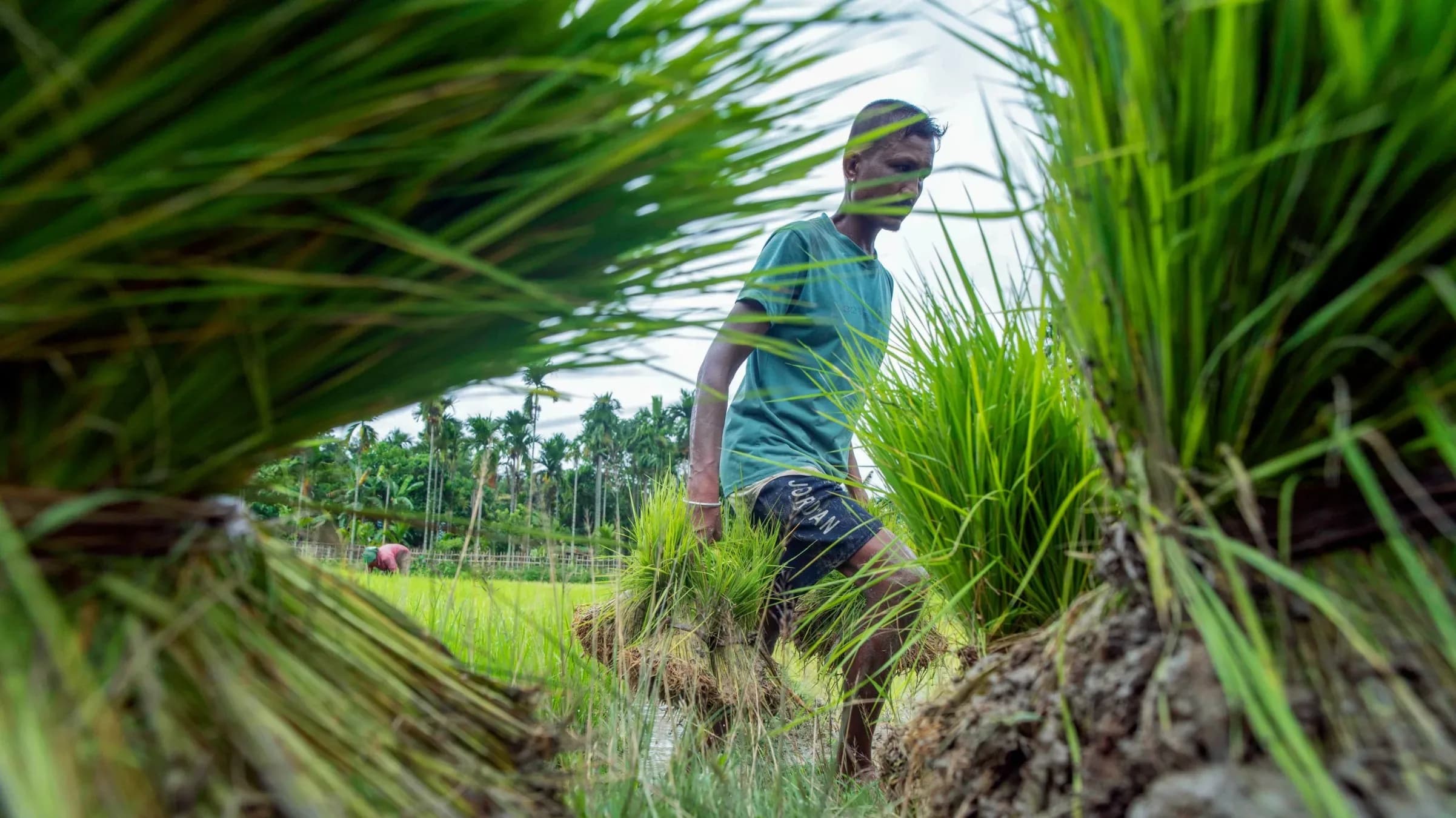
An improvement in rainfall during the first 10 days of July has helped reduce the gap in kharif sowing, but the overall acreage remains lower than last year.
According to the latest figures, farmers had sown kharif crops across 350.85 lakh hectares as of July 10, around 16 per cent lower than the corresponding period last year, Hindustan Times reported. A week earlier, the deficit stood at 21 per cent before rainfall picked up in several parts of the country.
The relief, however, may not last for long. After helping reduce the country’s cumulative rainfall deficit from 40 per cent at the end of June to 14 per cent by July 9, monsoon activity weakened again. By Monday, the nationwide rainfall shortfall had widened to 18 per cent.
Also Read | Indian Railways faces massive linen theft in AC coaches
The India Meteorological Department (IMD) has also forecast subdued rainfall across the northwestern plains, west-central India and south Peninsular India over the next six to seven days, raising fresh concerns over the progress of sowing.
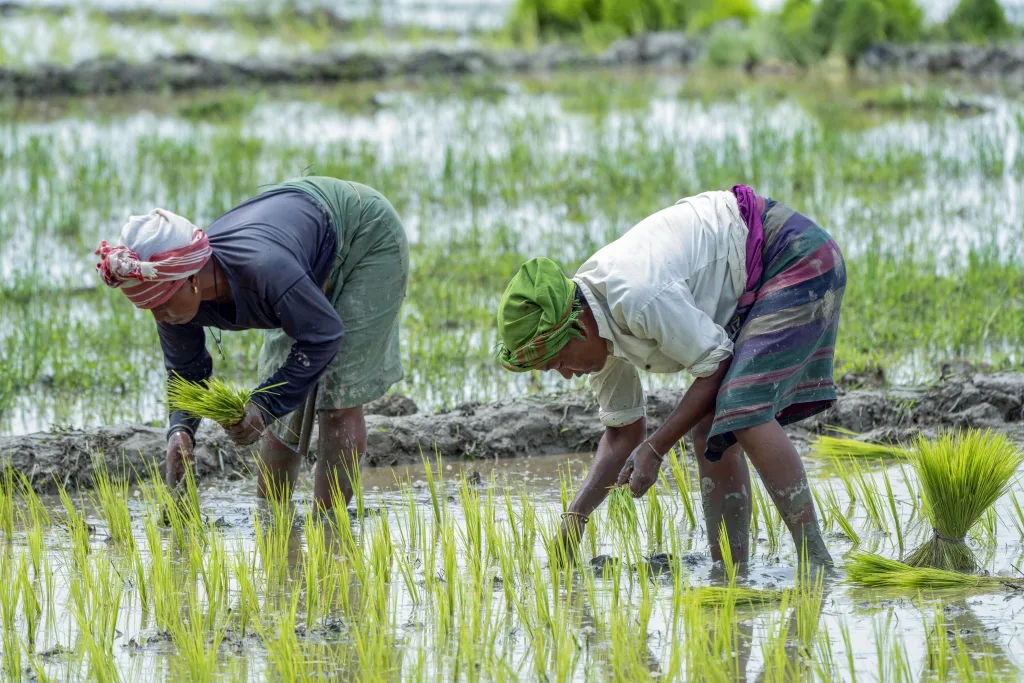
Several farm regions still facing rainfall deficit
As of Monday, several major agricultural states and regions, including eastern Uttar Pradesh, Bihar, Jharkhand, Punjab, parts of Gujarat, Maharashtra, Telangana and Karnataka, continued to report rainfall deficits of more than 20 per cent. In some places, the shortfall was as high as 47 per cent.
Commenting on the situation, Garima Jain, Chief Executive Officer at Torq Commodities, told HT, “Lower rainfall in key agricultural regions of Madhya Pradesh, Maharashtra, Karnataka and Gujarat since July 8 means rising temperatures and declining soil moisture could start weighing on crop yields.
Based on current conditions, we can confidently say acreage under pulses, millets and oilseeds is likely to decline. The bigger concern is the rainfall forecast for the next seven to 10 days.”
Pulses, oilseeds and cotton see lower acreage
The sowing data cited by HT reflects the impact of uneven rainfall on several major crops.
Pulses were sown over 2.3 million hectares, down 23.3 per cent from a year ago. Oilseeds covered 7.1 million hectares, marking a decline of 21 per cent, while coarse cereals fell 22.5 per cent to 5.3 million hectares. Cotton acreage also remained lower, down 15.3 per cent at 9.2 million hectares.
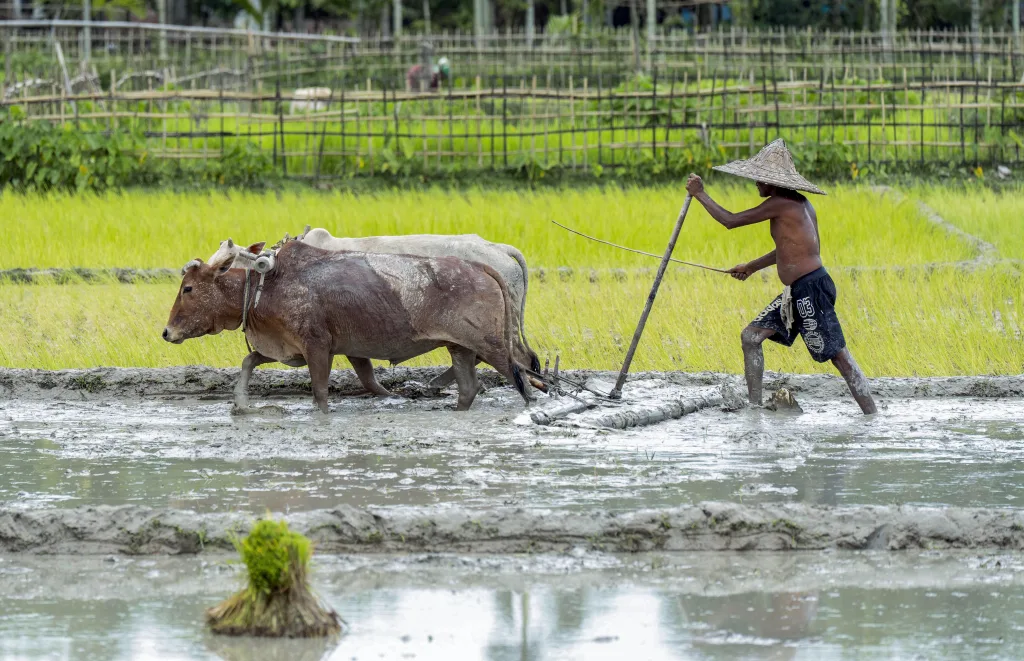
Rice was the only major crop to show signs of improvement. Sowing reached 4.8 million hectares, still 8.6 per cent below last year’s level but 17.3 per cent higher than the normal area after better rainfall in eastern India.
Also Read | India launches UNSC campaign for 2028-29 seat amid Tajikistan race
The situation remains particularly important in the Monsoon Core Zone, which stretches from Gujarat through central India to West Bengal. The region supports a significant share of India’s rain-fed agriculture, and any prolonged dry spell during the peak sowing season could affect both acreage and crop yields later in the season.
FAQs:
Why is kharif sowing lagging this year?
Uneven monsoon rainfall and persistent deficits in key agricultural regions have slowed sowing.
Which crops have seen the biggest decline in sowing?
Pulses, oilseeds, coarse cereals and cotton have recorded lower acreage compared with last year.
