

























The Union Cabinet on Friday approved amendments to the Prevention of Paper Leak law, setting the stage for much stricter punishment in cases linked to examination paper leaks and cheating in public exams.
The proposed changes include a maximum jail term of 10 years, a fine of up to Rs 10 crore, and fast-track courts to ensure that such cases are tried quickly.
The move comes against the backdrop of sustained protests over the NEET examination controversy and growing demands for stronger safeguards to protect the credibility of competitive exams.
Cabinet approves amendments to anti-paper leak law; Parliament likely to take it up on Monday
— ANI Digital (@ani_digital) July 24, 2026
Read @ANI Story | https://t.co/zAdCkVqxfL#Cabinet #PaperLeakLaw #Parliament pic.twitter.com/IBKmPz8mqW
The word from the top, and with some haste
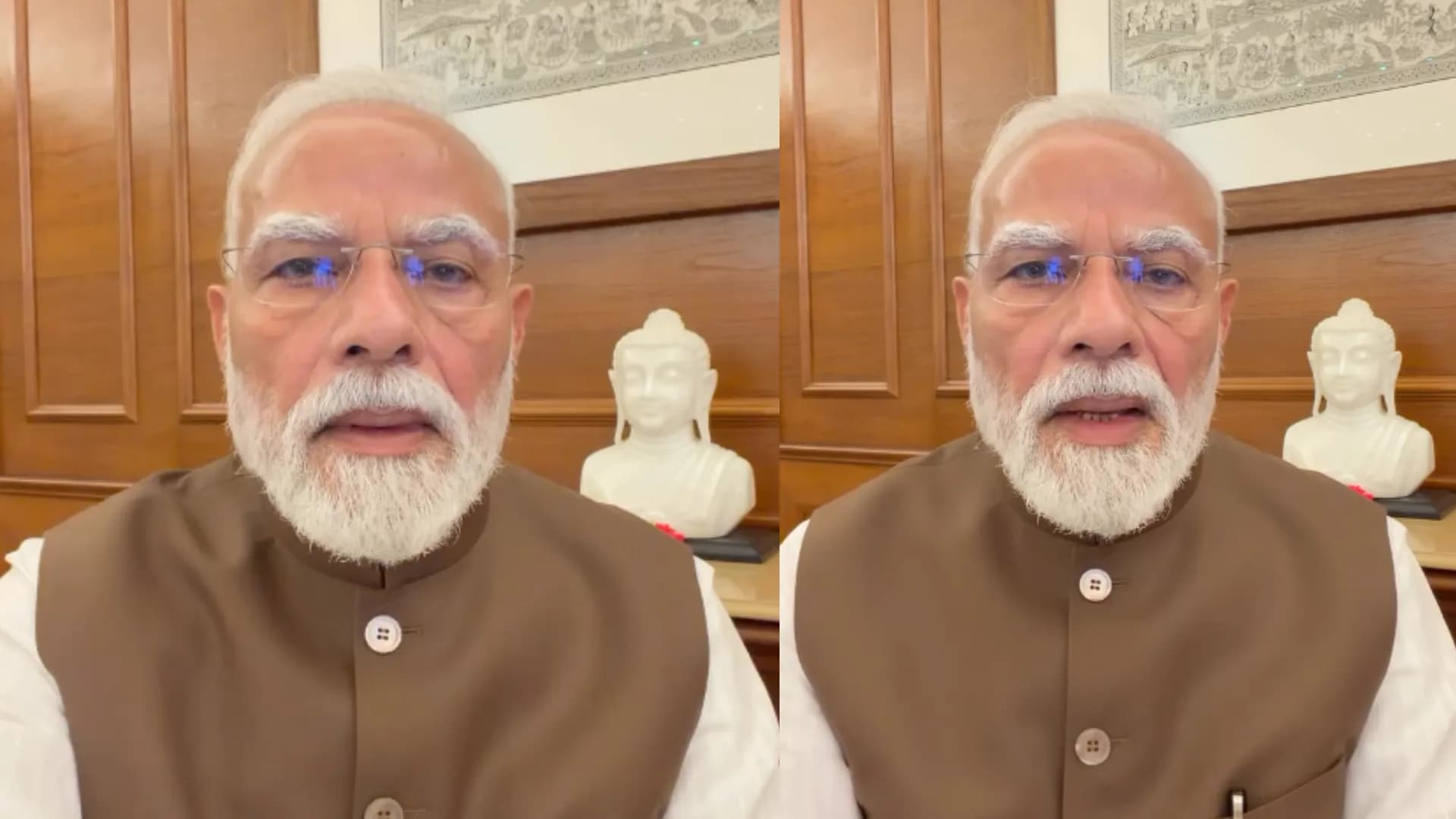
The decision follows Prime Minister Narendra Modi’s late-night intervention on Thursday, when he said the government would move against paper leaks with greater urgency.
Modi said the issue had been under review for the past two and a half months. The government had focused on preventing students from losing an academic year while the investigation and retest process played out.
In his message, the prime minister said the planned fast-track courts and stricter punishment would be discussed in the Cabinet and finalized after deliberations. He also said, “Nothing is more important than the welfare and future of our youth!”
#BreakingNews | The Union Cabinet, chaired by PM @narendramodi, has reportedly approved the draft Bill providing for stricter punishment in paper leak cases, according to official sources.
— DD News (@DDNewslive) July 24, 2026
The proposed legislation, aimed at curbing examination malpractices, is expected to be… pic.twitter.com/e6Jt5iPFLq
Tougher penalties and fast-track trials
The amended framework would require fast-track courts to dispose of paper leak cases within three months, while also increasing both imprisonment and monetary penalties for offenders.
Those found involved in paper leaks could face up to 10 years in jail and a fine of up to Rs 10 crore. The current law provides different penalties depending on the category of offense, while service providers who fail to report a possible offense can be penalized under the existing framework.
The amendment bill is expected to be introduced in the Lok Sabha on Monday.
PM Modi releases a video and says “More strict actions against paper leaks to come in tomorrow’s Cabinet!"
— ANI (@ANI) July 23, 2026
Prime Minister Narendra Modi says, "… Numerous effective measures have been taken in the past two and a half months since the paper leak incident. The culprits have been… pic.twitter.com/Hw0u0ChZww
Can tougher laws restore faith in public exams?
The political backdrop to the Cabinet decision has been shaped by the NEET controversy and the wider debate over repeated exam leaks.
Leader of Opposition (LoP) Rahul Gandhi had claimed there had been 150 paper leaks over the last 10 years and no convictions, a charge that has sharpened opposition criticism of the government’s handling of the issue.
The Cabinet’s decision came a day after Union ministers met representatives of the Cockroach Janata Party (CJP), which has been leading protests over the NEET paper leak row. The group had sought time until Saturday afternoon on its demand for Education Minister Dharmendra Pradhan’s resignation.
Also Read | ‘Women with spine’: From Jantar Mantar to Ken-Betwa, the women powering India’s biggest protest movements
FAQs
Q1: What changes has the Centre approved to the anti-paper leak law?
The Union Cabinet has approved amendments proposing up to 10 years’ imprisonment, fines of up to Rs 10 crore, and fast-track trials for paper leak cases.
Q2: Why is the government strengthening the paper leak law?
The amendments come amid concerns over repeated exam paper leaks, including the NEET controversy, to strengthen deterrence and speed up prosecution.
