
















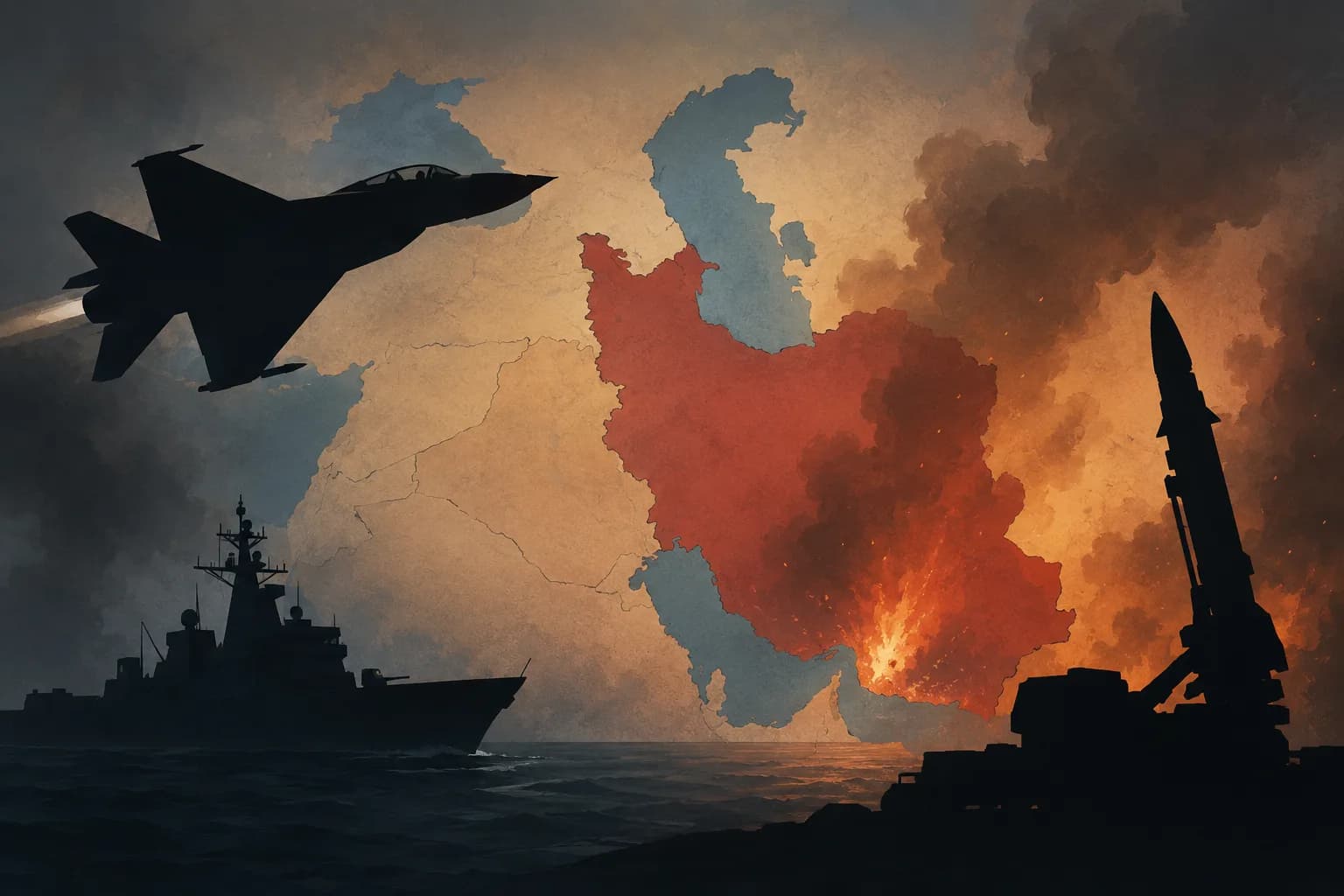










Merchant vessels travelling to and from India were among the largest applicants for passage through the Strait of Hormuz transit routes designated by Iran during the three weeks following the June 17 US-Iran peace memorandum of understanding (MoU).
Data released by Iran’s Persian Gulf Strait Authority (PGSA) highlights India’s importance in maritime traffic through one of the world’s busiest energy corridors, even as geopolitical tensions continue to disrupt shipping.
India among top applicants for Strait of Hormuz transit
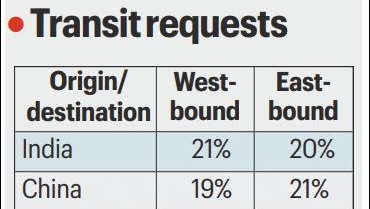
According to The Indian Express, the Strait of Hormuz transit data shows that vessels heading to India accounted for 20% of all applications seeking to exit the Persian Gulf through Iran-designated routes. China ranked slightly higher with a 21% share, while the rest of Asia accounted for 29%.
For vessels entering the Persian Gulf, India topped the list with a 21% share of transit requests, ahead of China at 19%.
The PGSA said it received more than 200 applications from non-Iranian vessels during the three weeks following the June peace agreement, although it did not disclose the exact number of requests.
The figures exclude vessels that crossed the Strait of Hormuz without seeking permission from Iranian authorities.
Also Read | PM Modi explains Vande Mataram note sent on Vikram-1 mission
Energy dependence keeps India reliant on the route
According to The Indian Express, India’s strong Strait of Hormuz transit demand reflects the country’s continued dependence on West Asia for energy supplies.
Around 40% of India’s crude oil imports, 60% of its liquefied natural gas (LNG) imports, and nearly 90% of its liquefied petroleum gas (LPG) imports pass through the Strait of Hormuz.
With India importing more than 88% of its crude oil requirements and roughly half of its natural gas consumption through LNG, uninterrupted access to the maritime corridor remains strategically important.
The Strait of Hormuz handles nearly one-fifth of global crude oil shipments and a significant share of worldwide LNG exports, making it one of the most critical shipping lanes in global trade.
Maritime traffic remains below pre-conflict levels
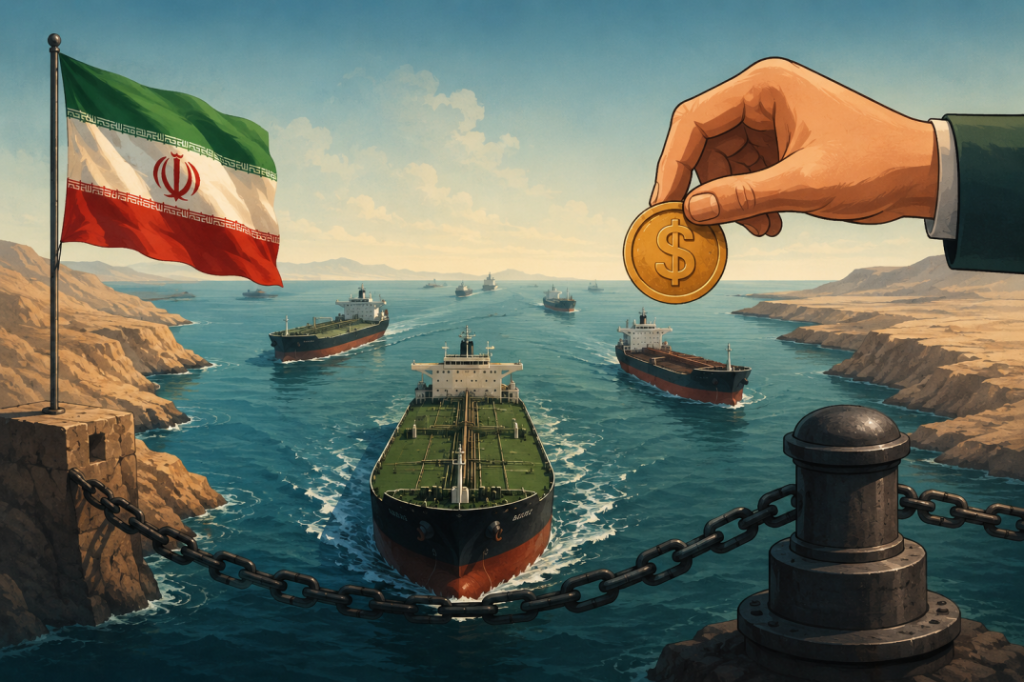
Although India’s Strait of Hormuz transit figures remained strong after the June agreement, renewed tensions in the region have once again reduced vessel movements through the waterway.
According to PGSA data, 79% of transit applications had been approved, while 14% remained under review as of July 14. The authority said the average processing time for applications was about 50 hours.
Tankers accounted for 41% of applications, followed by bulk carriers at 27% and container vessels at 18%.
Industry tracking data indicates daily vessel crossings remain well below pre-conflict levels. While traffic briefly recovered after the June agreement, recent security concerns have once again reduced shipping volumes, with many vessels choosing Iran-designated routes after reports of attacks on ships using alternative corridors.
The evolving situation continues to be closely monitored by governments and shipping companies because of its direct implications for global energy markets and international trade.
