























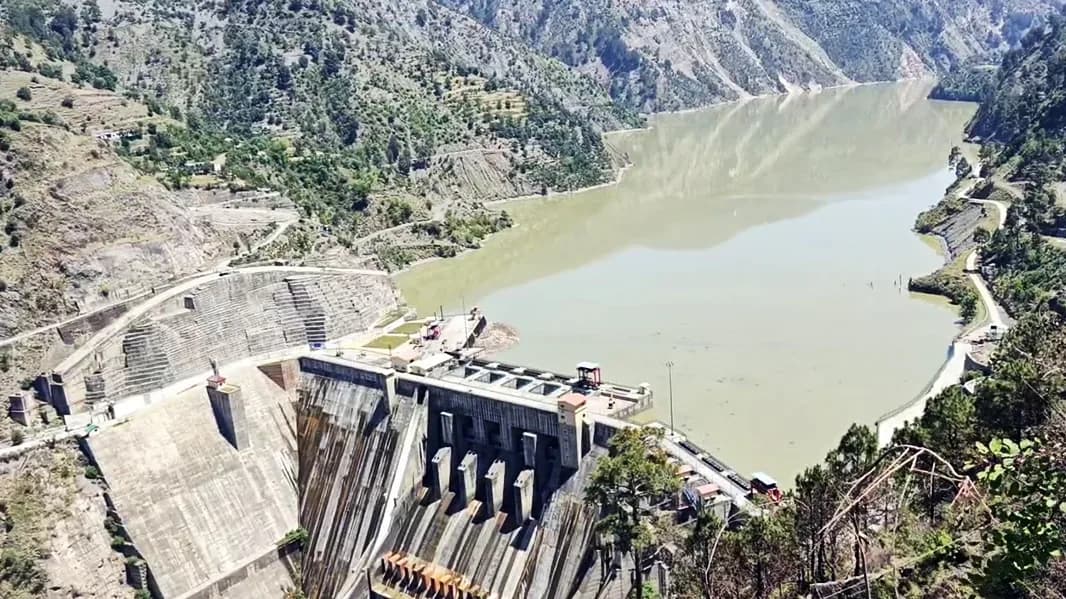
India has formally sought to renegotiate the Indus Waters Treaty (IWT) with Pakistan, arguing that the agreement signed over six decades ago no longer reflects present-day realities. According to The Indian Express, New Delhi believes significant changes in population, climate patterns, energy needs and security conditions warrant a fresh review of the treaty.
The move comes after India suspended the treaty’s implementation following the Pahalgam terror attack earlier this year, while also communicating its intention to revisit the framework governing water sharing between the two neighbours.
A treaty that has survived decades
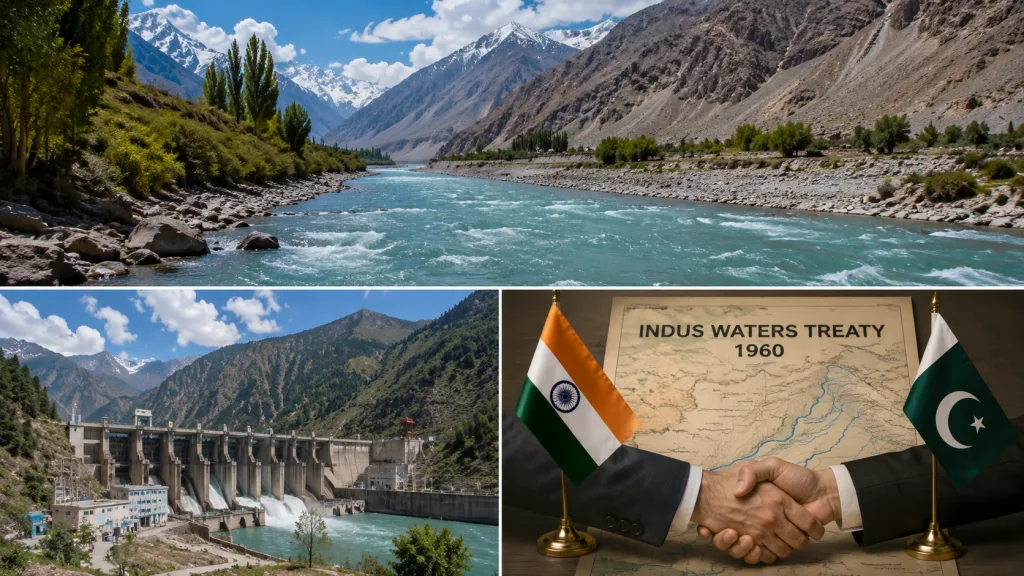
Signed in 1960 with the World Bank as a mediator, the Indus Waters Treaty allocates the waters of six rivers of the Indus basin between India and Pakistan.
Also Read | What is the MH-60R Seahawk? The US-made helicopter boosting India’s naval strength
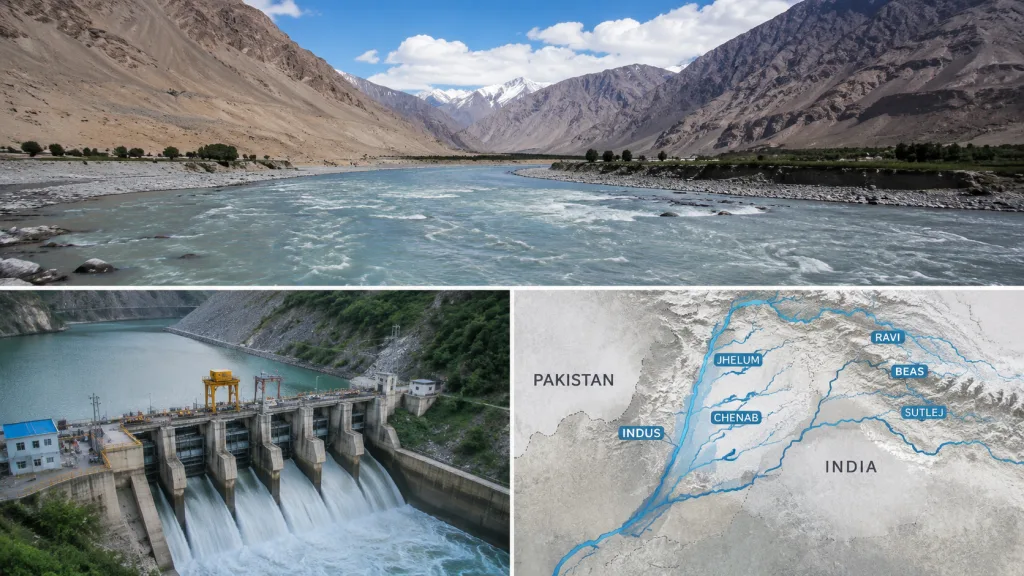
The eastern rivers Ravi, Beas and Sutlej were allocated to India, while the western rivers Indus, Jhelum and Chenab were largely reserved for Pakistan, although India retains limited rights for domestic use, irrigation and hydroelectric projects.
Despite multiple wars and prolonged diplomatic tensions, the treaty has long been regarded as one of the world’s most durable water-sharing agreements.
Why India wants changes
India argues that circumstances have changed dramatically since 1960. Rapid population growth has increased water demand, while climate change has altered river flows and heightened the need for better water management. India also says it requires greater flexibility to develop hydropower projects and improve water utilisation within the treaty’s framework.
Another key factor is national security. Indian officials have maintained that continued cross-border terrorism has affected bilateral relations, making it necessary to reconsider the existing arrangement.
What happens next?
Renegotiating the treaty would require discussions between both countries, making the process politically and diplomatically challenging. Pakistan has consistently maintained that the treaty remains legally valid and should continue to be implemented as agreed.
Also Read | Vikram-1 launch: India’s first private space mission takes off July 18
According to The Indian Express, experts note that while India can seek modifications, any substantial revision would require mutual consent. The future of the treaty is therefore likely to depend on diplomatic engagement and broader India-Pakistan relations.
FAQs:
Q1. What is the Indus Waters Treaty?
It is a 1960 agreement between India and Pakistan that governs the sharing of the Indus river system.
Q2. Why does India want to renegotiate it?
India says changing climate conditions, rising water needs, development priorities and security concerns justify revisiting the treaty.
