
























The India-United Kingdom Comprehensive Economic and Trade Agreement (CETA) and the accompanying Agreement on Social Security officially came into force on Tuesday, marking a major milestone in bilateral economic relations.
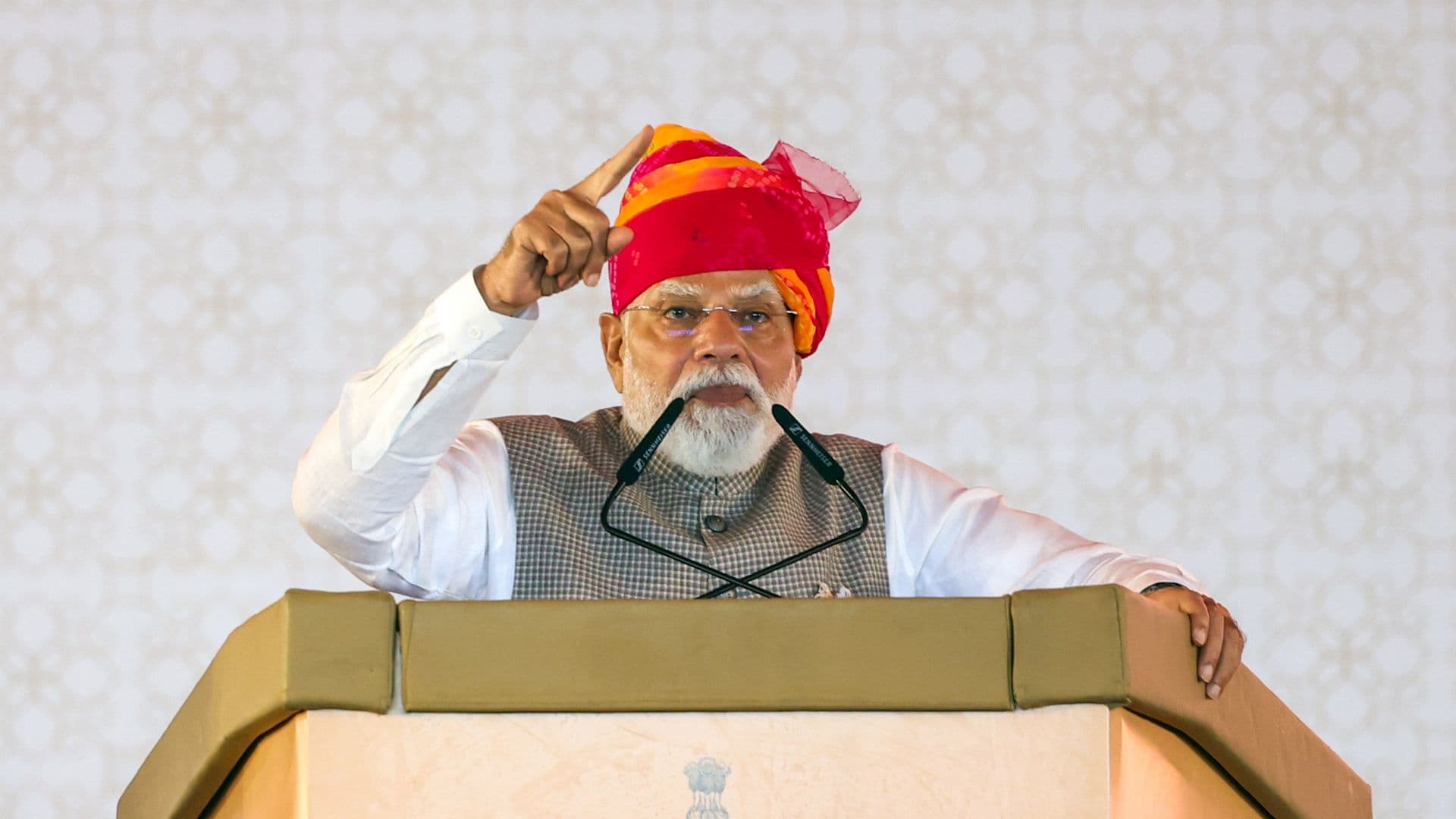
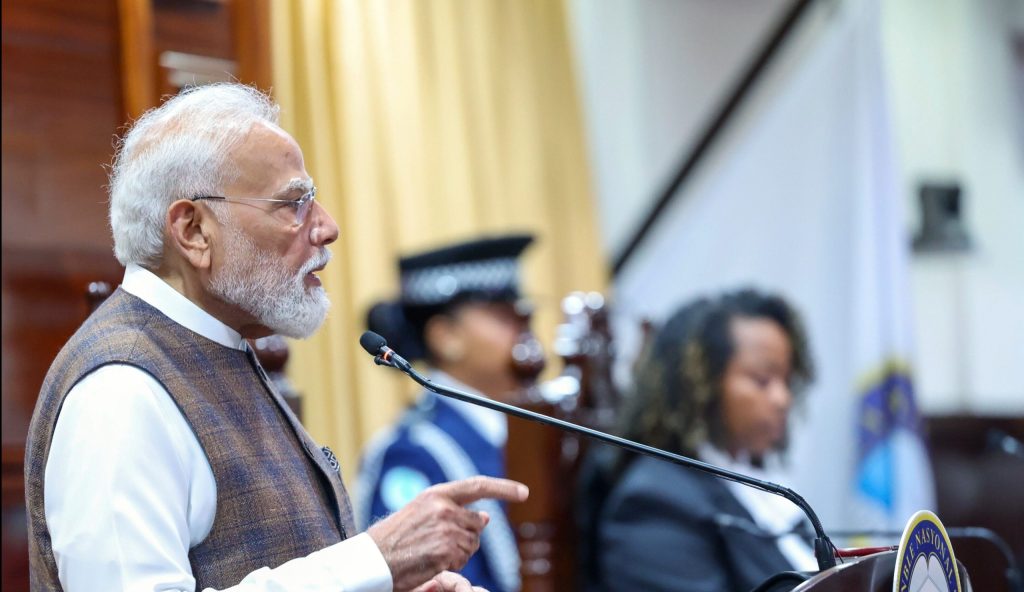
Prime Minister Narendra Modi described the development as a “significant moment” for the India-UK partnership, saying the agreements would deepen economic cooperation and create tangible opportunities for businesses, professionals and farmers.
Also Read | El Nino alert: ‘Godzilla’ event could hit India hard
In a post on X, the Prime Minister said the agreements would strengthen economic linkages between the two countries.
This is a significant moment in the India-United Kingdom partnership!
— Narendra Modi (@narendramodi) July 15, 2026
With the coming into force of the Comprehensive Economic and Trade Agreement and the Agreement on Social Security, our economic linkages are going to get even deeper. Together, these agreements translate our… https://t.co/6yZR0IUfCP
“This is a significant moment in the India-United Kingdom partnership. Together, these agreements translate our shared ambition into tangible opportunities for our people,” PM Modi said.
What does the India-UK trade deal offer?
According to the Prime Minister, the trade pact is expected to provide fresh momentum to India’s farmers, entrepreneurs and MSMEs while expanding access to the UK market for several sectors.
The agreement is also expected to deepen cooperation in technology, innovation and professional services while improving mobility for skilled Indian professionals.
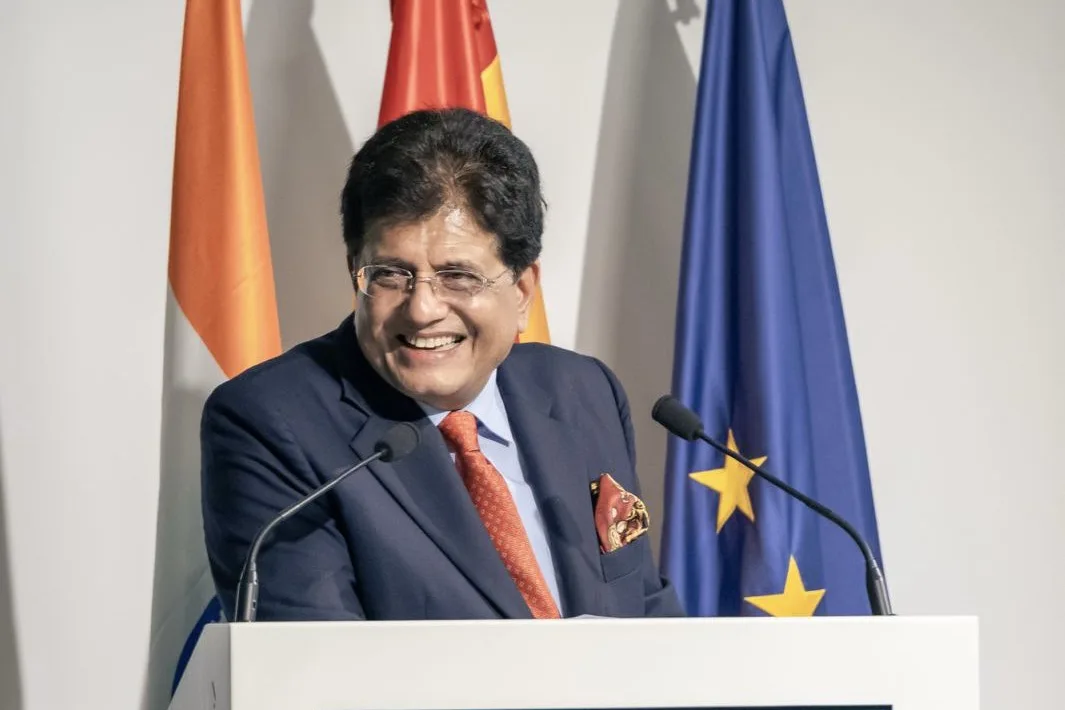
Union Commerce and Industry Minister Piyush Goyal said the agreement grants zero-duty market access for nearly 99% of India’s exports, covering almost the entire value of bilateral trade.
According to the Commerce Ministry, sectors expected to benefit include textiles, apparel, leather, gems and jewellery, engineering goods, chemicals, electronics, marine products, furniture, sports goods and processed food.
The agreement also provides duty-free access for all agricultural products, except a limited number of sensitive items, including rice, sugar, eggs, pork and chicken.
How will the social security pact benefit Indians?
The accompanying Agreement on Social Security exempts Indian professionals on temporary assignments in the UK, along with their employers, from paying the UK’s National Insurance Contribution for up to five years.
According to the government, the provision is expected to benefit more than 75,000 Indian professionals and around 900 companies operating across sectors such as information technology, healthcare, finance, education, telecommunications and consultancy.
The agreement also introduces annual mobility quotas for 1,800 Indian chefs, yoga instructors and classical musicians across 137 service sub-sectors.
“The Agreement on Social Security further strengthens this partnership by exempting Indian professionals on temporary assignments from double social security contributions for up to five years,” Goyal said.
Also Read | Cockroach Janta Party announces July 16 ‘mass hunger strike’ in support of Sonam Wangchuk
He also thanked UK Secretary of State for Business and Trade Peter Kyle and both negotiating teams for finalising the agreement.
The twin agreements are expected to further strengthen trade, investment, technology cooperation and people-to-people ties between India and the United Kingdom.
FAQs
Q1. What is the India-UK CETA?
The Comprehensive Economic and Trade Agreement (CETA) is a bilateral trade pact that reduces or eliminates tariffs, improves market access and strengthens cooperation across goods, services and investment.
Q2. How does the India-UK Social Security Agreement help Indian professionals?
It exempts eligible Indian professionals on temporary assignments in the UK from paying National Insurance contributions for up to five years, reducing employment costs and avoiding double social security payments.
