
























India has summoned Iran’s Deputy Ambassador to the Ministry of External Affairs (MEA) following the missile strike on two UAE tankers in the Strait of Hormuz that left an Indian crew member dead and several others injured, government sources said on Monday.
Sources said the Iranian Ambassador was not in New Delhi, following which the Deputy Ambassador was called to the MEA.
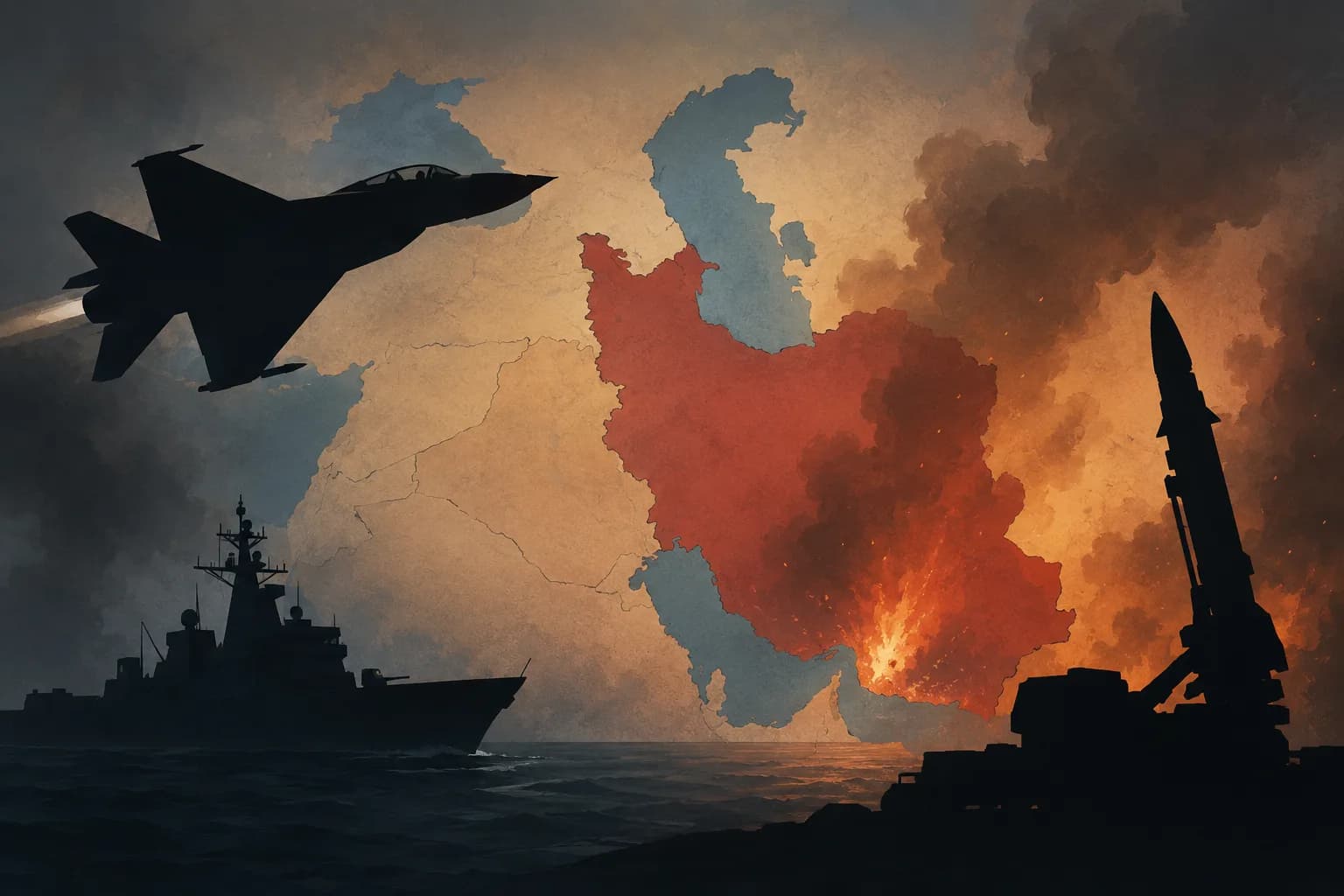
The diplomatic move comes a day after the United Arab Emirates said Iranian cruise missiles struck the tankers Mombasa and Al Bahiyah in the southern shipping lane of the Strait of Hormuz, within Omani territorial waters.
Also Read | India launches UNSC campaign for 2028-29 seat amid Tajikistan race
The attack claimed the life of one Indian sailor and injured eight others, including six Indians and two Ukrainians. Four of the injured are reported to be in critical condition.
#WATCH | Delhi: Iranian diplomats including Deputy Chief of Mission (DCM) Mohammad Javad Hosseini, summoned by Ministry of External Affairs, over recent attack on merchant vessels in the region pic.twitter.com/OpwOFHOhf8
— ANI (@ANI) July 14, 2026
MEA seeks assurances from Iran
According to sources quoted by News18, the MEA is expected to convey India’s concern over the safety of Indian nationals serving on commercial vessels operating through the Strait of Hormuz, one of the world’s busiest maritime routes.
India is also expected to seek assurances regarding the security of commercial shipping in the strategically important waterway, through which a substantial share of the country’s crude oil and liquefied natural gas (LNG) imports passes.
The latest incident has further raised concerns over maritime safety and the possible impact on global energy supplies as tensions continue to rise in the region.
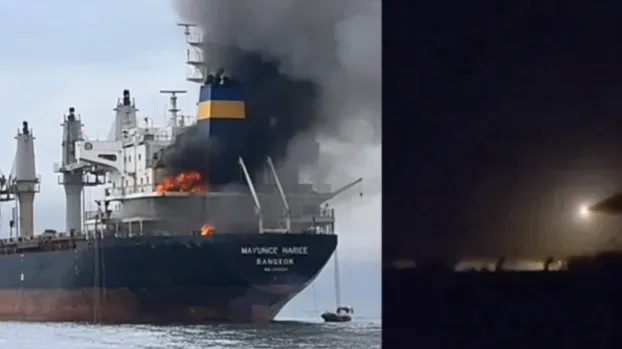
Attacks have put Indian crews at risk
The tanker strike is the latest in a series of incidents reported in and around the Strait of Hormuz since March 2026.
Earlier in June, US forces struck three commercial tankers, Marivex, Settebello and Jalveer, near Oman and the entrance to the Strait of Hormuz. All three vessels had predominantly Indian crews on board.
تعلن وزارة الدفاع عن تعرض الناقلتين الوطنيتين (ممباسا) و (الباهية) للاستهداف بصاروخين جوالين إيرانيين في الممر الجنوبي لمضيق هرمز بالمياه الإقليمية العمانية.
— وزارة الدفاع |MOD UAE (@modgovae) July 13, 2026
وقد أسفر الاستهداف عن مقتل أحد أفراد طاقم الناقلة (ممباسا) من الجنسية الهندية، وإصابة 8 من بينهم 4 إصابات بليغة. (6 من… pic.twitter.com/KVz3qDu6kf
The strike on MT Settebello proved particularly deadly after three Indian sailors were killed when US aircraft targeted the vessel’s engine room over alleged non-compliance with American instructions. 21 of the ship’s 24 crew members were later rescued by the Omani Navy.
Also Read | India’s theatre command reform nears final approval after 20 years
According to Indian maritime unions monitoring the conflict, at least seven Indian seafarers had lost their lives in Hormuz-related attacks involving either US forces or Iran’s Revolutionary Guard even before the latest incident. More than two dozen others have reportedly suffered injuries or trauma in missile and drone attacks on commercial ships.
Similar diplomatic response
The MEA’s latest demarche follows a similar response to US strikes on commercial vessels last month.
After the attacks on Settebello and other ships, India summoned US Chargé d’Affaires Jason Meeks twice within a week. During those meetings, the MEA described the use of “lethal and deadly force” against civilian shipping as “unacceptable”, while stressing the need to safeguard maritime safety and ensure uninterrupted global commerce through critical sea lanes.
FAQs:
Why did the MEA summon Iran’s Deputy Ambassador?
The MEA summoned the diplomat after an Iranian missile strike on UAE tankers killed an Indian sailor and injured several others.
What is India seeking from Iran?
India is seeking assurances over the safety of Indian seafarers and commercial shipping in the Strait of Hormuz.
