
























The Union Cabinet has approved a draft Paper Leak Bill proposing significantly tougher punishment for those involved in examination paper leaks, including imprisonment of up to 10 years and fines of up to ₹10 crore.
The proposed legislation will amend the Public Examinations (Prevention of Unfair Means) Act, 2024, strengthening penalties against organised paper leak networks while protecting candidates from punitive action.
Also Read | Paper leak row: Nirmala Sitharaman’s remarks trigger Opposition backlash
The bill is expected to be introduced in the Lok Sabha on Monday.
What changes does the Paper Leak Bill propose?
Under the proposed amendments, individuals convicted of paper leaks could face a minimum prison sentence of five years, with punishment extending up to 10 years in serious cases.
The bill also proposes financial penalties of up to ₹10 crore for those found guilty of organised paper leak operations.
At present, the 2024 law prescribes imprisonment ranging from three to five years for individuals and five to 10 years, along with a minimum fine of ₹1 crore, for organised cheating and paper leak rackets.
The objective is to crack down on organised criminal networks and institutions involved in unfair examination practices for financial gain.
Will fast-track courts hear paper leak cases?
The Centre is also considering giving statutory backing to special fast-track courts to hear paper leak cases. According to people aware of the proposal, these courts may be mandated to conclude trials and deliver judgments within three months.
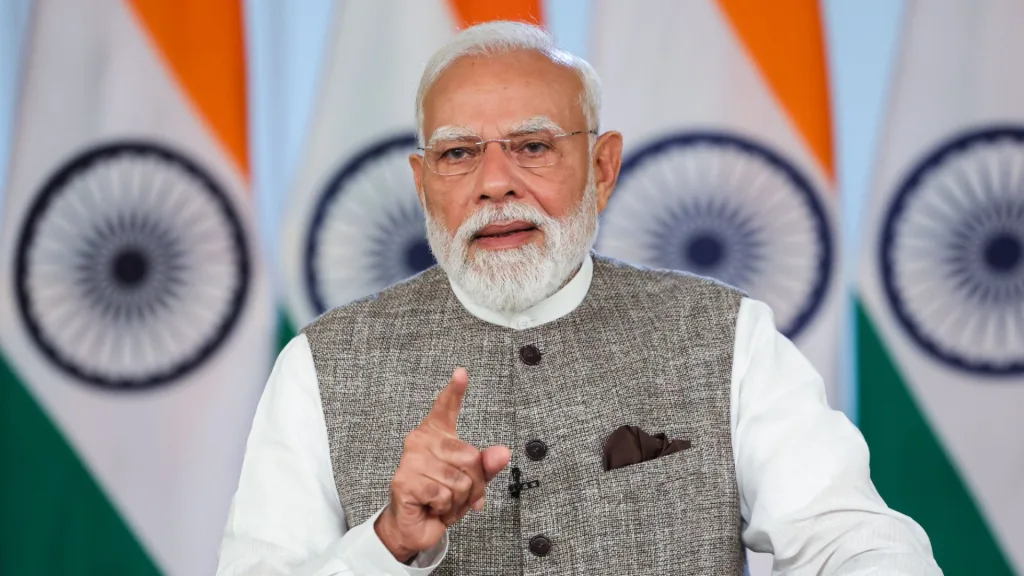
A person familiar with the Cabinet decision said Prime Minister Narendra Modi had stressed that those responsible for paper leaks would face strict action and no accused would escape punishment.
Also Read | Jantar Mantar protest swells: Defiant crowds refuse to back down
Union Parliamentary Affairs Minister Kiren Rijiju said the government intends to move the bill without delay.
“The government has been ready from day one for discussion on a serious issue like NEET paper leak. But the opposition has been consistently running away from discussion,” Rijiju said.
दिन आपके अनुसार, समय सीमा आपके अनुसार, फिर चर्चा से दूरी क्यों?
— Kiren Rijiju (@KirenRijiju) July 24, 2026
Offered to opposition- You decide on time and duration, let's discuss on #NEET Paper leaks issue.
सरकार NEET पेपर लीक जैसे गंभीर विषय पर चर्चा के लिए पहले दिन से तैयार है। लेकिन विपक्ष चर्चा से लगातार भागता आ रहा… pic.twitter.com/Yl9afpkPEK
The Opposition, however, has maintained that Parliament cannot function normally unless Union Education Minister Dharmendra Pradhan resigns over the alleged paper leak controversy.
Congress president Mallikarjun Kharge said on X that the government should first dismiss the education minister, apologise to students and act against those responsible for police action on protesters before discussing reforms in Parliament.
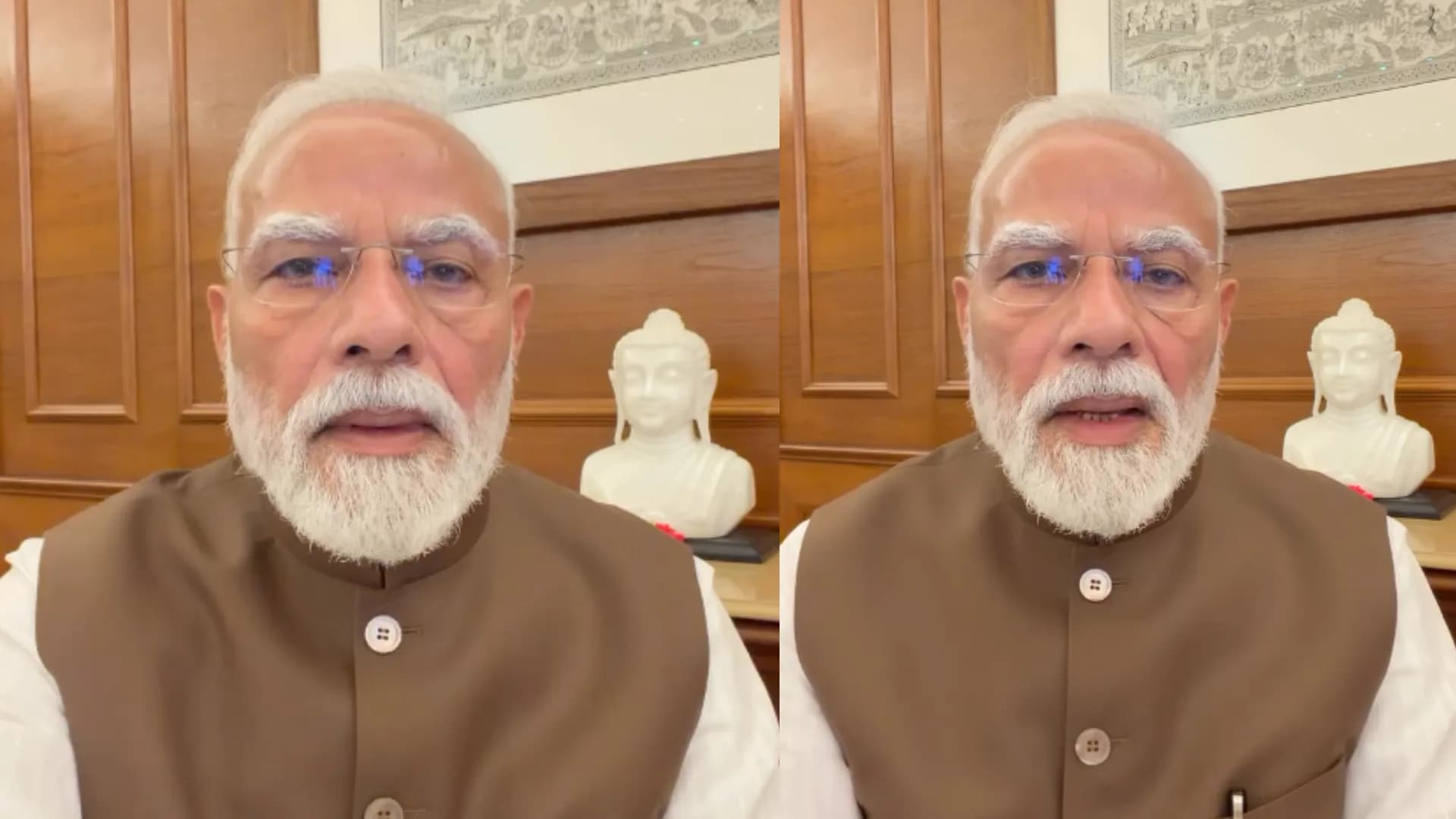
जब संसद चल रही होती है तो प्रधानमंत्री को संसद के पटल पर Statement देना होता है, देर रात एक वीडियो बनाकर, संसद के बाहर एकतरफ़ा “मन की बात” नहीं करनी होती !! @narendramodi जी,
— Mallikarjun Kharge (@kharge) July 24, 2026
आज संसद में आने से पहले, धर्मेंद्र प्रधान को बर्खास्त कर के आइएगा। पहले छात्रों से माफ़ी माँगिए और…
FAQs
Q1. What punishment does the proposed Paper Leak Bill prescribe?
The draft bill proposes imprisonment of up to 10 years and fines of up to ₹10 crore for those involved in paper leaks.
Q2. Will paper leak cases be heard in fast-track courts?
According to people familiar with the proposal, the government plans to provide statutory backing for special fast-track courts that could dispose of such cases within three months.
