




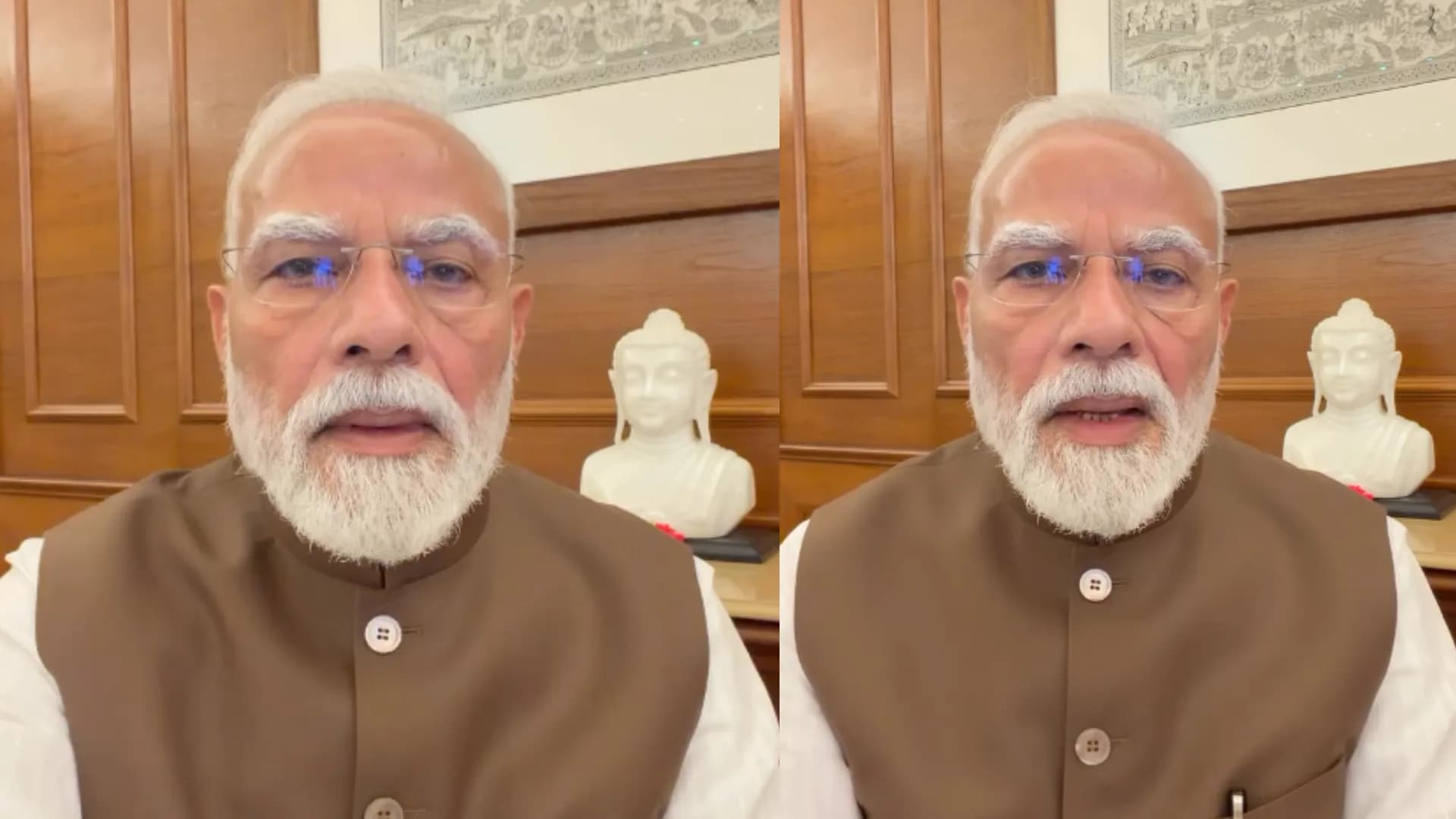






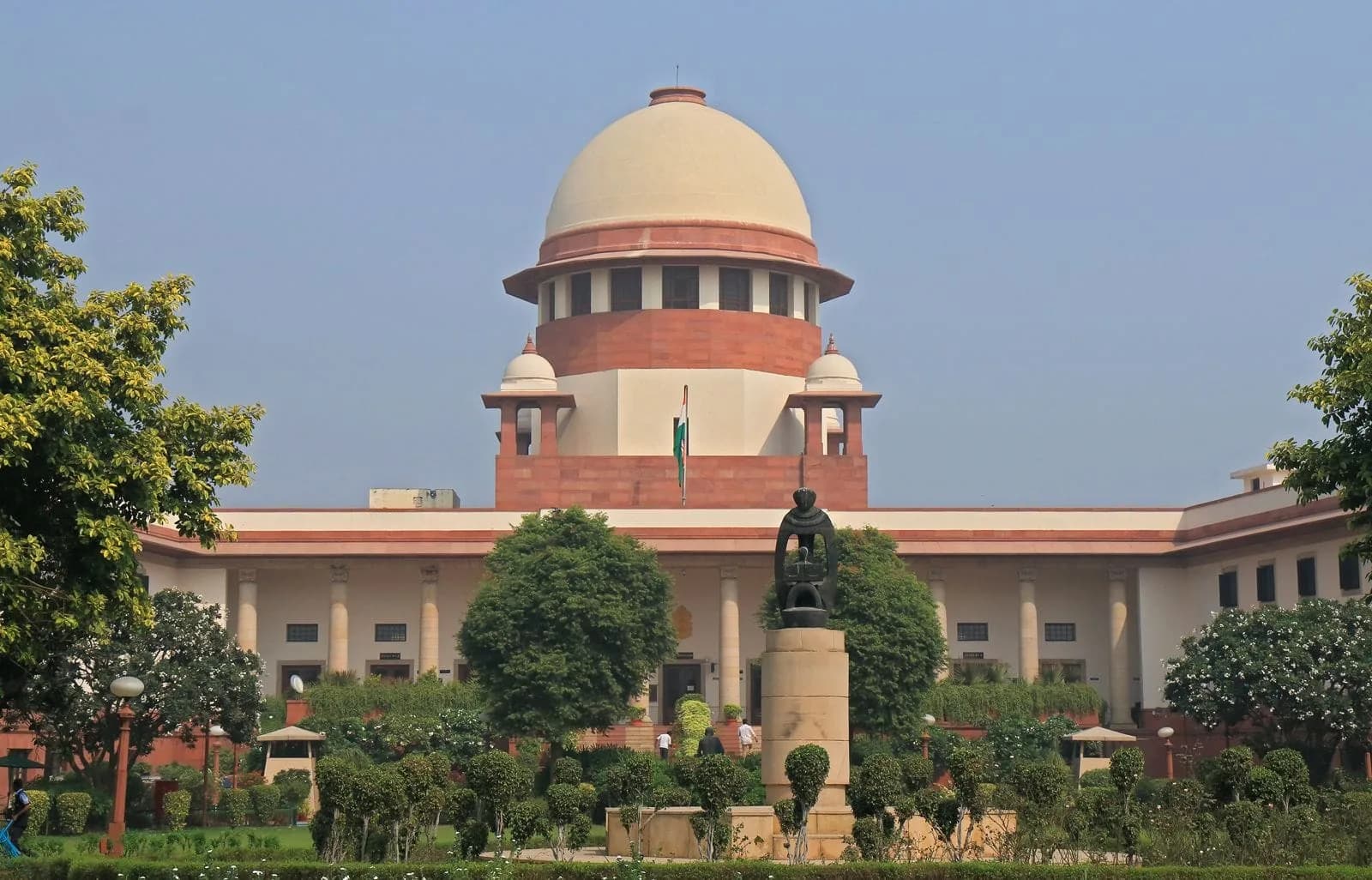














Prime Minister Narendra Modi on Thursday said the government will set up fast-track courts to handle paper leak cases, in a move aimed at speeding up trials and delivering stringent punishment to those found responsible.
In a post on X, he said the welfare of students remained paramount and added that he had directed the concerned authorities to take all necessary steps for the establishment of such courts.
Also Read | ‘My name is nothing’: Abhijeet Dipke mocks Dharmendra Pradhan after PM Modi’s viral ‘Youth’ remark
Nothing is more important than the welfare and future of our youth!
— Narendra Modi (@narendramodi) July 23, 2026
We have decided to set up fast-track courts to ensure swift and stringent punishment for those involved in paper leaks. Have directed the concerned authorities and officials to take all necessary steps in this…
A stern word from the top
“Nothing is more important than the welfare and future of our youth,” Modi said. He announced, “We have decided to set up fast-track courts to ensure swift and stringent punishment for those involved in paper leaks. This continues our series of steps for safeguarding the interests of students.”
Mr. Modi warned, “Those who try to harm the future of our youth will not be spared.”
#WATCH | Following Prime Minister Narendra Modi's announcement of fast-track courts for paper leak cases, education expert Prof. Geeta Bhatt, Director, Non Collegiate Women's Education Board, Delhi University, shared her views on how the move could strengthen accountability,… pic.twitter.com/L75wveD0lM
— DD India (@DDIndialive) July 23, 2026
Meanwhile, the streets refuse to fall silent
The announcement came as protests over alleged examination irregularities intensified, particularly around the NEET-UG paper leak controversy.
Student-led protests have continued across the country. The ‘Sansad Chalo’ march in New Delhi on July 20 ended in clashes after protesters tried to move towards Parliament.
Delhi police used barricades, lathi charge, and tear gas to disperse the crowd during the protest. Demonstrators accused police of using excessive force. The police denied those allegations.
#WATCH | Prime Minister #NarendraModi has announced the establishment of fast-track courts to ensure swift and stringent punishment in paper leak cases.
— DD India (@DDIndialive) July 23, 2026
Here's an explainer on how fast-track courts work, why they are being introduced, and how they are expected to speed up… pic.twitter.com/iohDiBwJTa
Can this debate finally be put to rest?
This move was PM Modi’s first public response to the ongoing protests. He had earlier directed NDA lawmakers to reach out to young people and ensure the strictest possible punishment for those involved in paper leaks.
The protests have centered on demands for accountability in the examination system, including calls for Education Minister Dharmendra Pradhan’s resignation.
The move to set up fast-track courts is the government’s latest response to the controversy, but the broader political and student backlash showed no immediate sign of easing.
Protesters and opposition leaders have continued to press for accountability over the alleged leaks and the handling of the demonstrations, keeping the issue at the center of a widening row over examination integrity.
Also Read | John Cusack backs CJP protests: Hollywood star stands with India’s students
FAQs
Q1: What are fast-track courts for paper leak cases?
Fast-track courts are special courts meant to speed up the trial of paper leak cases and ensure quicker judgments.
Q2: Why did the government announce fast-track courts for paper leaks?
The government said the courts are intended to deliver swift punishment to those involved in paper leaks and protect students’ interests.
