
























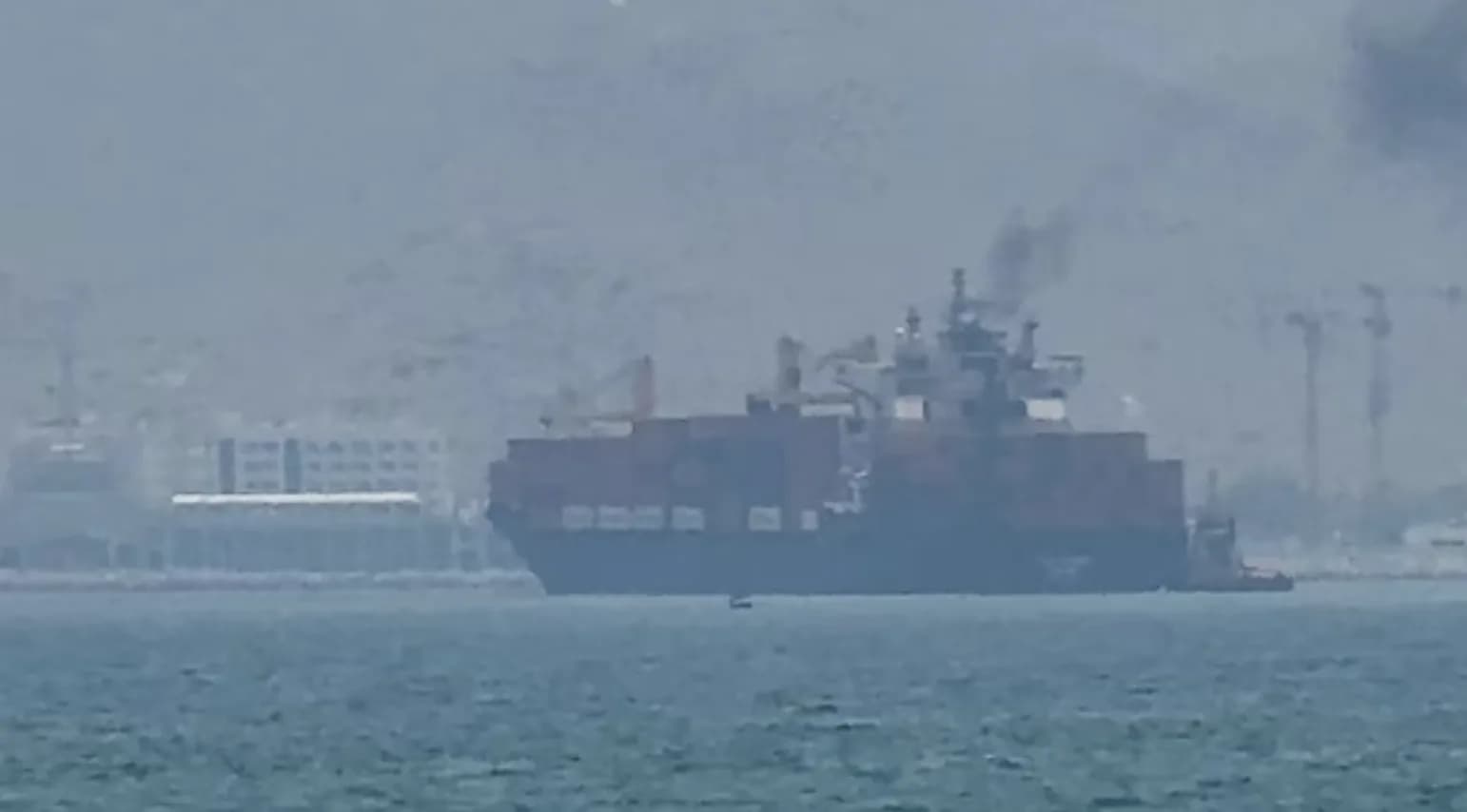
The Strait of Hormuz crisis has once again raised serious concerns for India after fresh missile attacks on commercial vessels claimed the life of an Indian sailor and injured several others. Even as tensions between Iran and the United States continue to escalate, seven Indian vessels carrying 148 Indian seafarers remain inside the Persian Gulf. The latest developments have renewed fears over the safety of Indian crew members and the security of one of the world’s busiest shipping corridors. The Indian government has intensified monitoring while maintaining constant communication with shipping companies and affected families.
Strait of Hormuz crisis puts Indian shipping under pressure
The Strait of Hormuz crisis has directly impacted Indian maritime interests, with government records showing that seven Indian vessels continue to operate in the Persian Gulf despite the deteriorating security environment. According to official figures, these ships carry 148 Indian seafarers who remain exposed to potential risks as military hostilities continue in the region.
Authorities are also monitoring several foreign-flagged vessels carrying India-bound cargo, including crude oil and fertilisers. Since the conflict began earlier this year, thousands of seafarers have already been evacuated by shipping companies as precautionary measures. However, commercial shipping remains active because the route continues to be vital for global energy supplies.
Also Read | India condemns Hormuz attack after Indian sailor killed, lodges protest with Iran
Strait of Hormuz traffic turns defensive
— MarineTraffic (@MarineTraffic) July 13, 2026
Vessel activity through the Strait of Hormuz declined sharply over 10–12 July, with confirmed crossings down by around 52% week on week, according to #MarineTraffic data.
Traffic also shifted back toward more defensive routing patterns.… pic.twitter.com/PZjbCt4Uf1
Maritime security concerns continue to grow
The Strait of Hormuz crisis has significantly disrupted international shipping patterns. Vessel operators have increasingly altered routes, delayed voyages or adopted enhanced security measures while passing through the narrow waterway connecting the Persian Gulf to the Arabian Sea.
Industry experts say the region remains one of the most sensitive maritime zones globally because nearly one-fifth of the world’s oil trade passes through it. Any prolonged disruption could affect global fuel prices and supply chains, including India’s imports of crude oil, LPG and fertilisers.
According to the International Maritime Organization, maritime security remains a priority as global agencies continue monitoring vessel movements and issuing navigational advisories.
Also Read | Supreme Court fines Samay Raina over non-compliance with disability case order
NEW: Iran is attempting to stop Western and Gulf efforts that could weaken Iran’s ability to use the Strait of Hormuz as a source of leverage in current and future disputes. Gulf states and the United States are attempting to undermine Iran’s ability to use the strait as leverage… pic.twitter.com/gY4IFPnGOY
— Institute for the Study of War (@TheStudyofWar) July 7, 2026
India strengthens monitoring as tensions remain high
The Strait of Hormuz crisis has prompted India to strengthen coordination among the Ministry of External Affairs, the Indian Navy and shipping companies to safeguard Indian nationals working at sea. Officials continue to assess evacuation options while tracking every Indian vessel operating in the region.
India has also reiterated its appeal for restraint and emphasised the importance of ensuring uninterrupted commercial navigation through international waterways. The government believes that diplomacy remains the only sustainable solution to reduce tensions and protect civilian shipping.
The Ministry of External Affairs has assured that every effort is being made to safeguard Indian seafarers as the Strait of Hormuz crisis continues to evolve. With the geopolitical situation remaining volatile, India’s focus remains firmly on protecting its citizens, securing vital trade routes and ensuring maritime stability in one of the world’s most strategically important waterways.
