










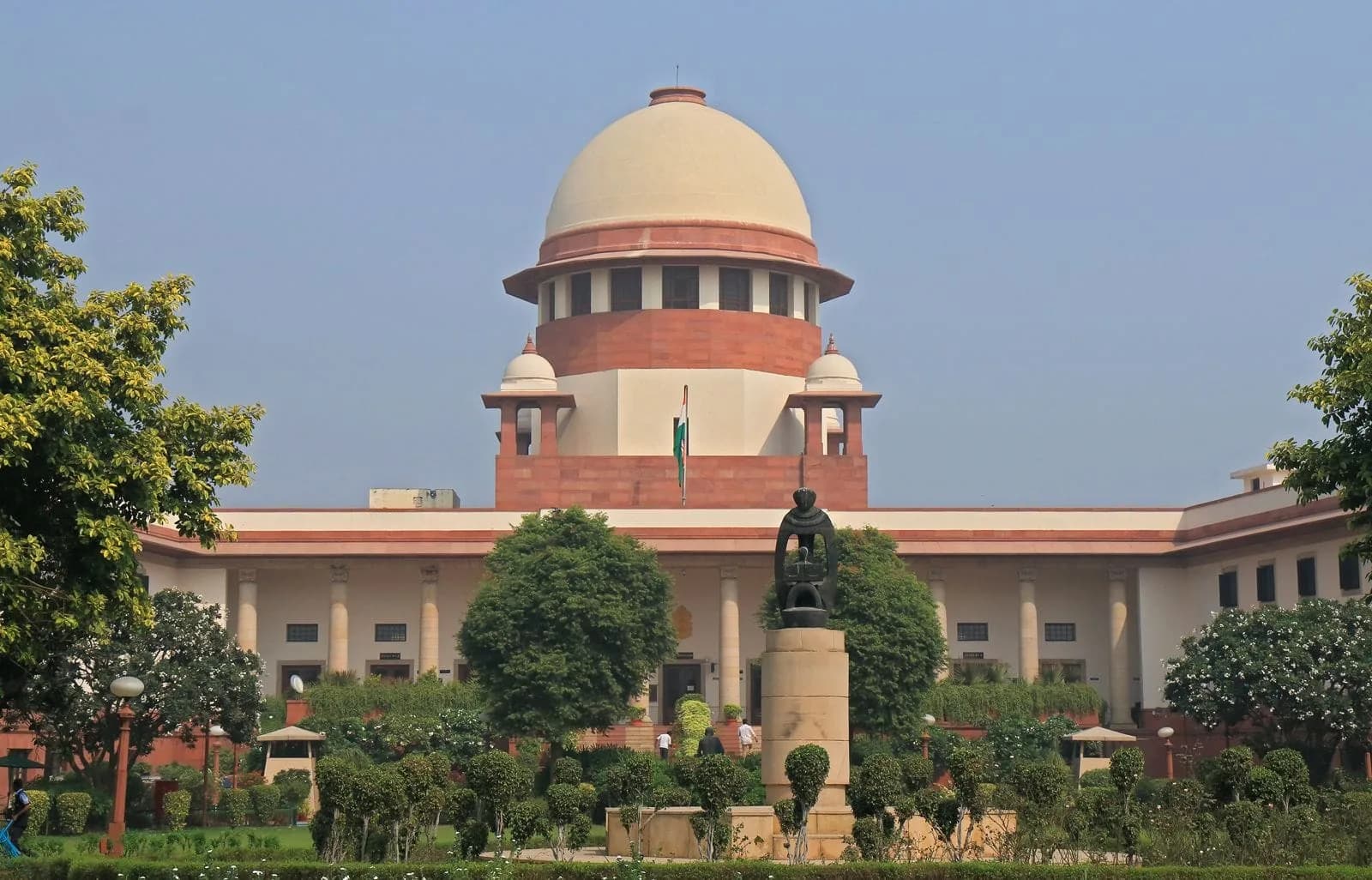













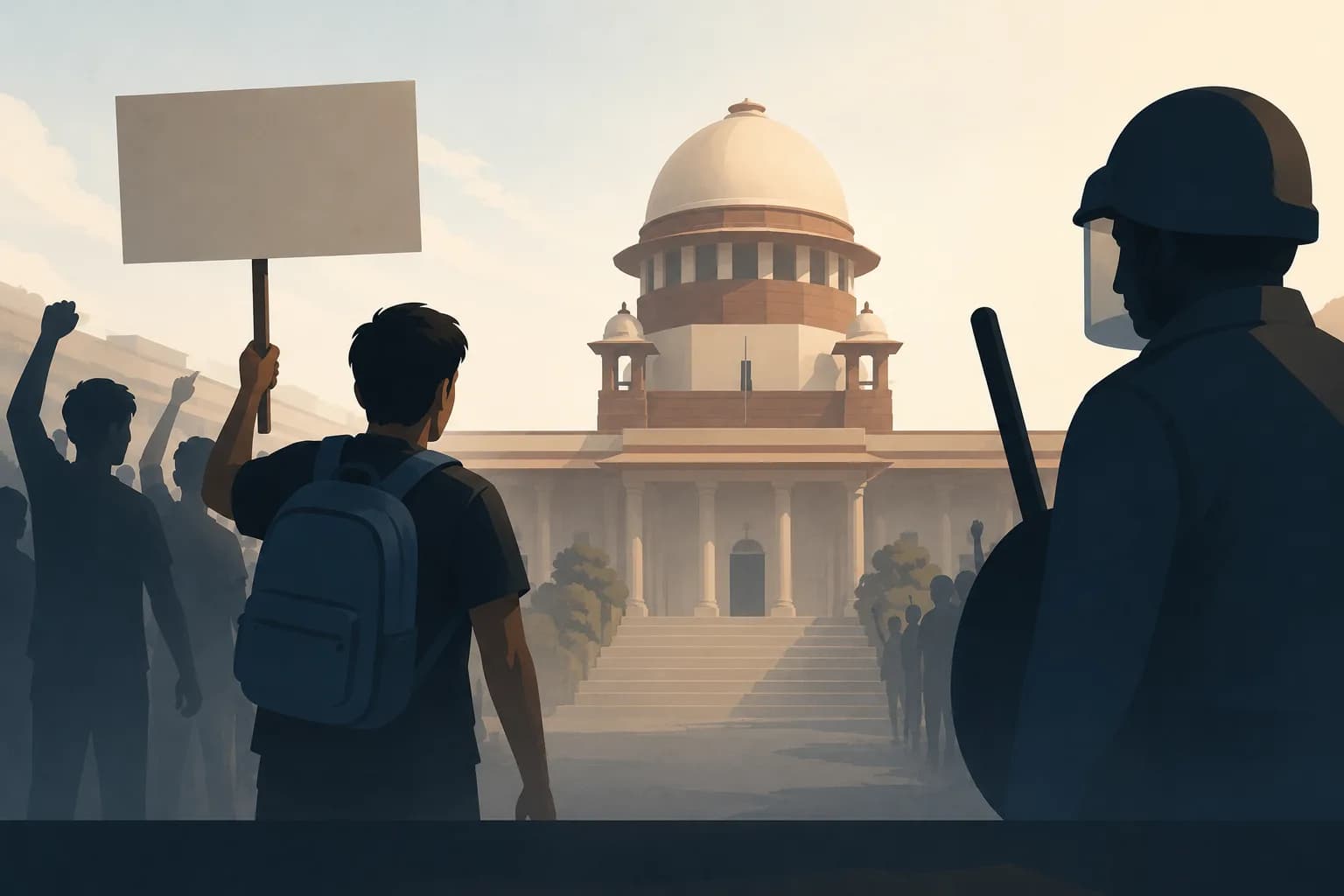
The Supreme Court on Friday agreed to hear on Monday, July 27, two freshly instituted petitions alleging police excesses against students protesting the NEET paper leak.
The matter was mentioned before a bench led by Chief Justice of India (CJI) Surya Kant, along with Justices Joymalya Bagchi and V Mohana, after senior advocates Gopal Sankaranarayanan and Shyam Divan brought the petitions to the court’s notice.
Also Read | Delhi’s Constitution Club to host talks between CJP and Centre; Wangchuk breaks fast
STORY | Paper leak protest: SC will hear pleas alleging police excesses on students
— Press Trust of India (@PTI_News) July 24, 2026
The Supreme Court on Friday agreed to hear on July 27 two separate petitions alleging police excesses on students protesting against the NEET paper leak.
The matter was mentioned before a bench… pic.twitter.com/yyJZu8X3Jl
A pressing plea earns its day in court
Sankaranarayanan told the bench that the petitions had now been formally filed and assigned diary numbers.
He said the cases related to the violence linked to the students’ protest and that the states were parties to the petitions. He also pressed for an urgent hearing, saying there was continuing urgency and that police were using excessive force against children.
In response, the CJI said, “Let it be listed; we will entertain,” before directing that the petitions be taken up on Monday.
The Supreme Court of India will hear petitions on 27 July 2026 regarding "alleged police excesses" against students protesting the NEET paper leak at Delhi's Jantar Mantar on 20 July 2026.
— V S Vadivel FCA (@vsvadivelfca) July 24, 2026
The record, if you please, speaks plainly
The hearing came hours after Chief Justice Surya Kant rejected media reports suggesting that the Supreme Court had refused to hear the matter.
He said no writ petition had been filed earlier and criticized what he described as “reckless reporting.” The CJI said the registry had checked the records and found that no writ petition had been instituted until then, adding that what had been placed before the court earlier was only a representation, not a petition.
How did the protest reach the courtroom?
The petitions arise from the July 20 protest in Delhi, during which students demanding action over the NEET paper leak came face to face with security personnel.
Clashes broke out as protesters tried to move towards Parliament, and police used lathis and tear gas to disperse the crowd.
The petitions also come against the backdrop of wider litigation over the NEET-UG controversy, including suggestions from another Supreme Court bench on structural and administrative reforms and a Delhi High Court notice in a separate PIL alleging excessive force during the protest march at Jantar Mantar.
Also Read | CWG 2026 opens with Mirabai, Lovlina leading India’s challenge
FAQs
Q1: Why is the Supreme Court hearing pleas over the NEET protest?
The Supreme Court is hearing petitions alleging police used excessive force against students protesting the NEET paper leak in Delhi.
Q2: When will the Supreme Court hear the police excess petitions?
The Supreme Court is scheduled to hear the petitions on July 27.
