









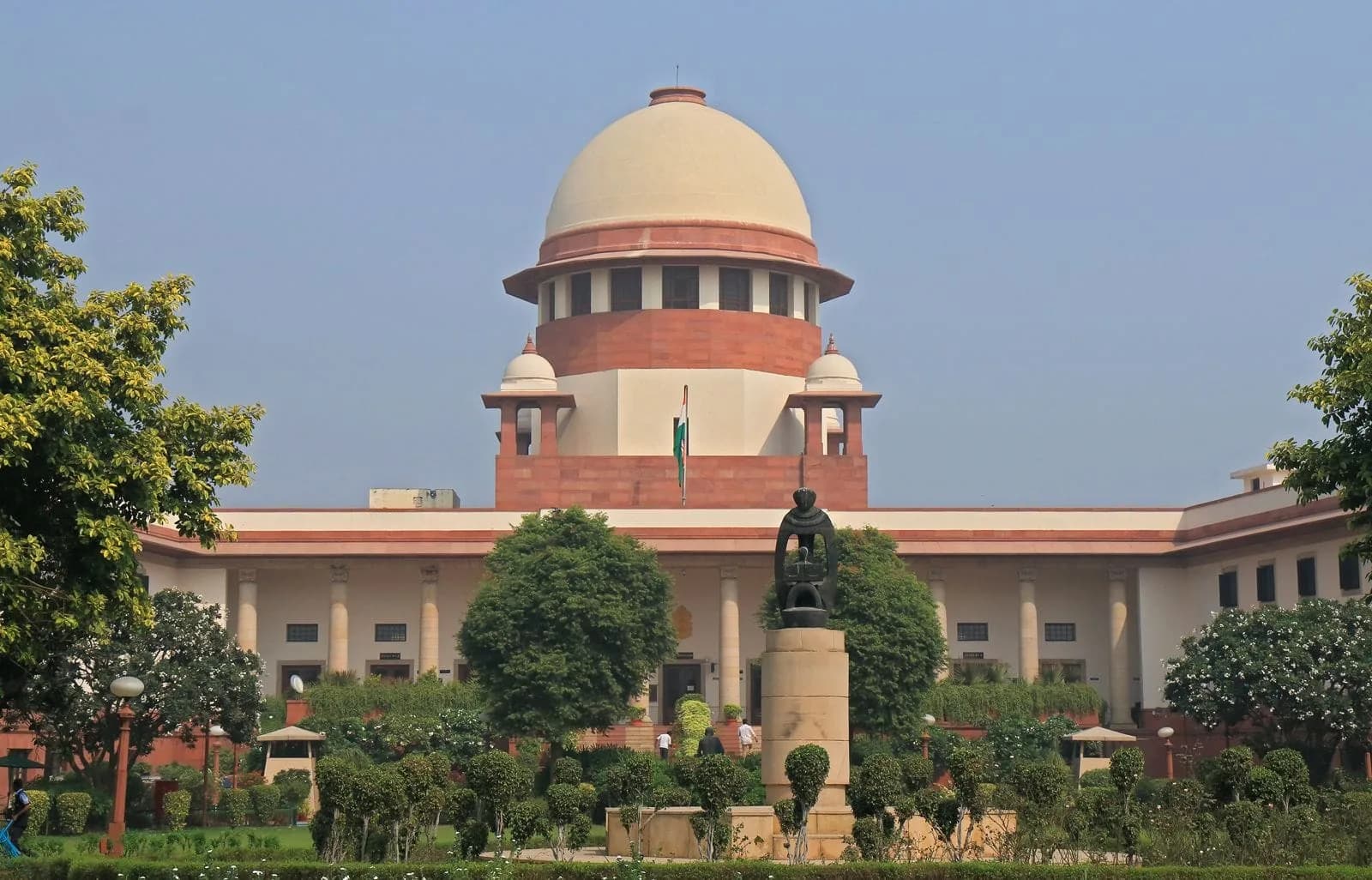








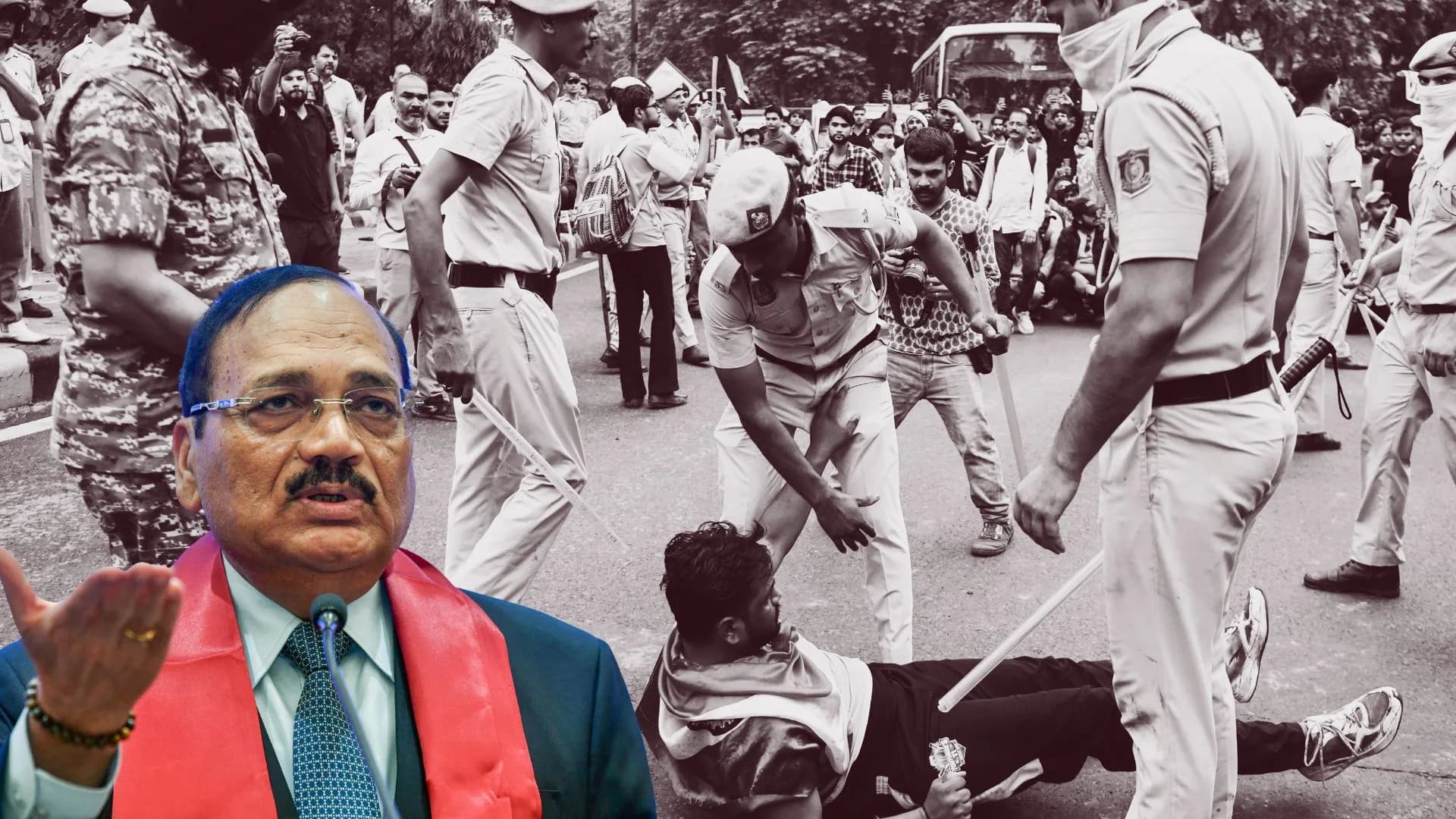
Supreme Court on Wednesday refused to urgently hear a petition seeking immediate intervention over the Delhi Police crackdown on students during the July 20 “Chalo Sansad” protest in the national capital. The plea sought the court’s suo motu intervention, alleging police excesses against demonstrators who had marched towards Parliament under the banner of the Cockroach Janta Party (CJP).
The matter was mentioned before a bench headed by Chief Justice of India (CJI) Surya Kant at the start of the day’s proceedings.
CJI rejects request for immediate listing
During the mention, the petitioner’s counsel urged the court to take up the matter on priority, arguing that it involved issues affecting lakhs of students, including the NEET examination controversy and demands for reforms in the National Testing Agency (NTA).
However, the bench was not inclined to entertain the request.
Also Read | ‘Government had no interest in holding debate’: Rahul Gandhi explains Congress protest at PM residence
“Don’t waste our time, and don’t waste your time,” the CJI told the lawyer.
When the counsel attempted to submit videos that allegedly showed police personnel using force against unarmed protesters, the bench declined to examine the material.
“We are not interested in videos; we don’t have time to watch,” the court observed while refusing an urgent hearing.
The bench, which also comprised Justices Joymalya Bagchi and V Mohana, brought the exchange to a close by saying, “Thank you very much.”
Delhi High Court had also declined urgent hearing
The Supreme Court’s decision came a day after Delhi High Court Chief Justice DK Upadhyaya refused to urgently list a similar plea related to the police action.
“Don’t drag the Court into this,” the chief justice had remarked while declining urgent circulation of the matter.
July 20 ‘Chalo Sansad’ protest turned violent
The controversy stems from the July 20 “Chalo Sansad” march organised by the CJP on the opening day of Parliament’s Monsoon Session. The protest followed a hunger strike at Jantar Mantar and called for Union Education Minister Dharmendra Pradhan’s resignation over alleged examination paper leaks, along with reforms in the NTA and accountability over student suicides linked to the issue.
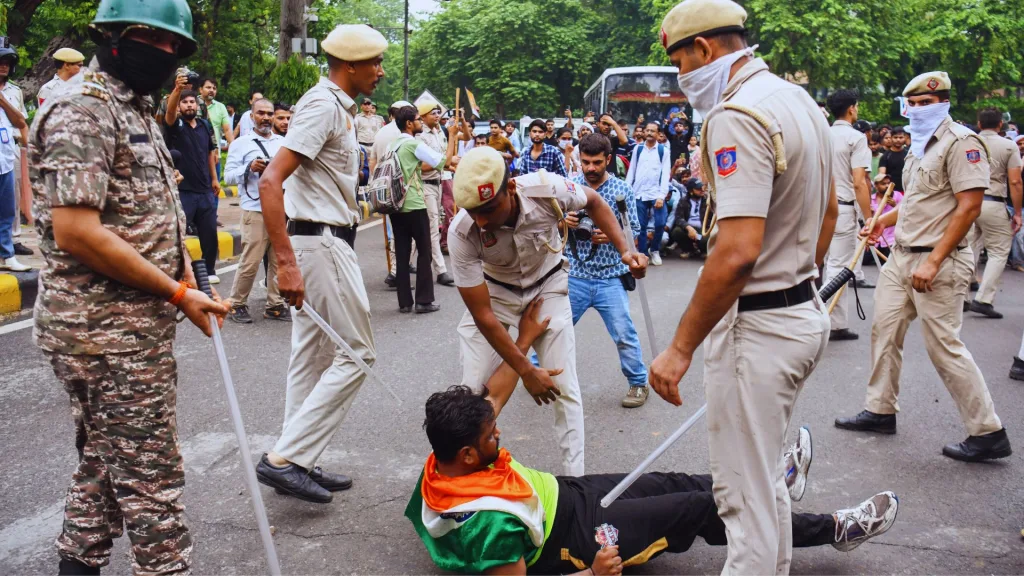
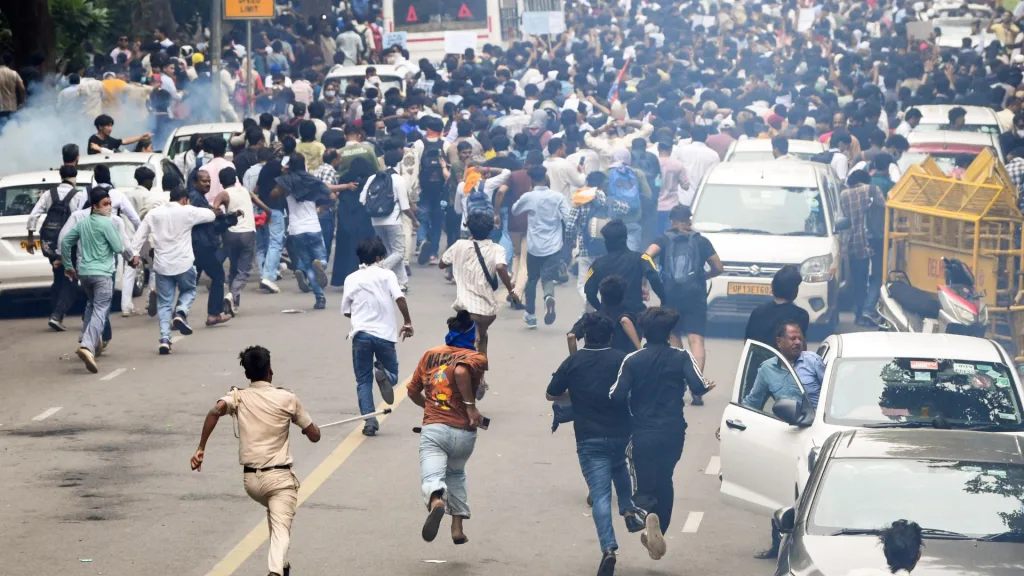
As thousands of protesters moved towards Parliament, Delhi Police stopped them using multiple barricades. According to police, some protesters breached security barriers, after which tear gas shells were fired and a lathi-charge was carried out to disperse the crowd.
Videos shared on social media appeared to show police personnel striking several protesters, many of whom looked unarmed. Police, however, maintained that demonstrators turned violent and allegedly pelted stones at security personnel, making the use of force necessary.
Injuries, political row and fresh CJP demands
Hospital officials told Hindustan Times that at least 100 protesters were treated for injuries after the crackdown, while Delhi Police said around 60 personnel were injured. A 22-year-old woman hurt during the incident remains in the intensive care unit (ICU) at Ram Manohar Lohia Hospital, according to her family.
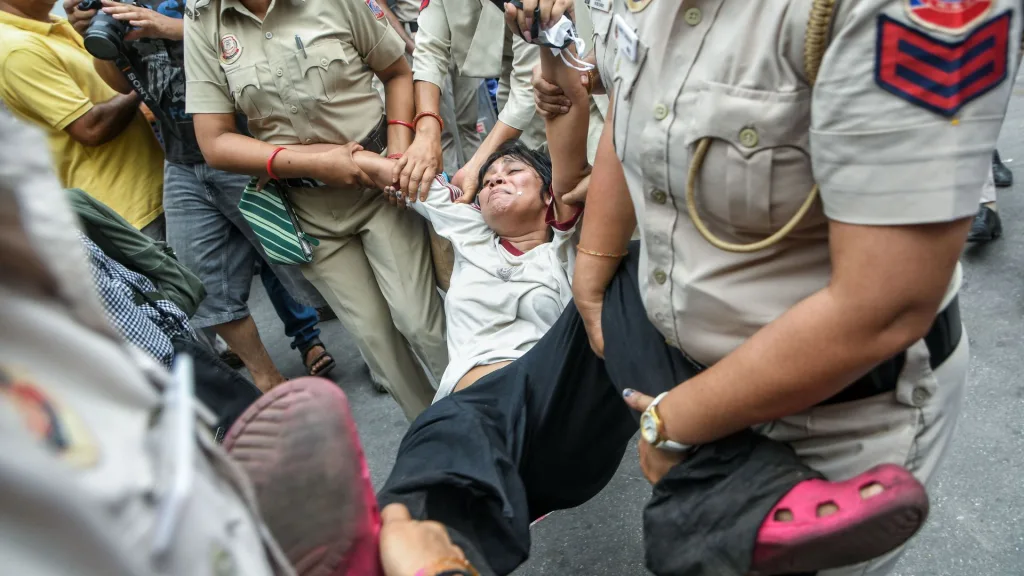
The incident sparked protests by Opposition MPs inside and outside Parliament, followed by a sit-in outside Prime Minister Narendra Modi’s residence. Leader of Opposition Rahul Gandhi later demanded that PM Modi apologise to the students and reiterated calls for the resignation of Union ministers Dharmendra Pradhan and Amit Shah.
Meanwhile, as its agitation entered the 32nd day on Wednesday, the CJP expanded its list of demands. Along with seeking the release of Sonam Wangchuk and Dharmendra Pradhan’s resignation, the party also demanded ₹1 crore compensation for families of students who allegedly died by suicide and urged that no FIRs or legal action be initiated against those who took part in the July 20 protest.
FAQs:
Why did the Supreme Court refuse an urgent hearing on the CJP protest plea?
The Supreme Court declined to urgently hear the plea, saying it would not take up the matter through an immediate listing or examine video evidence at that stage.
What was the CJP’s Chalo Sansad protest about?
The CJP protest demanded Union Education Minister Dharmendra Pradhan’s resignation over alleged exam paper leaks, NTA reforms, and accountability over student-related issues.
