


























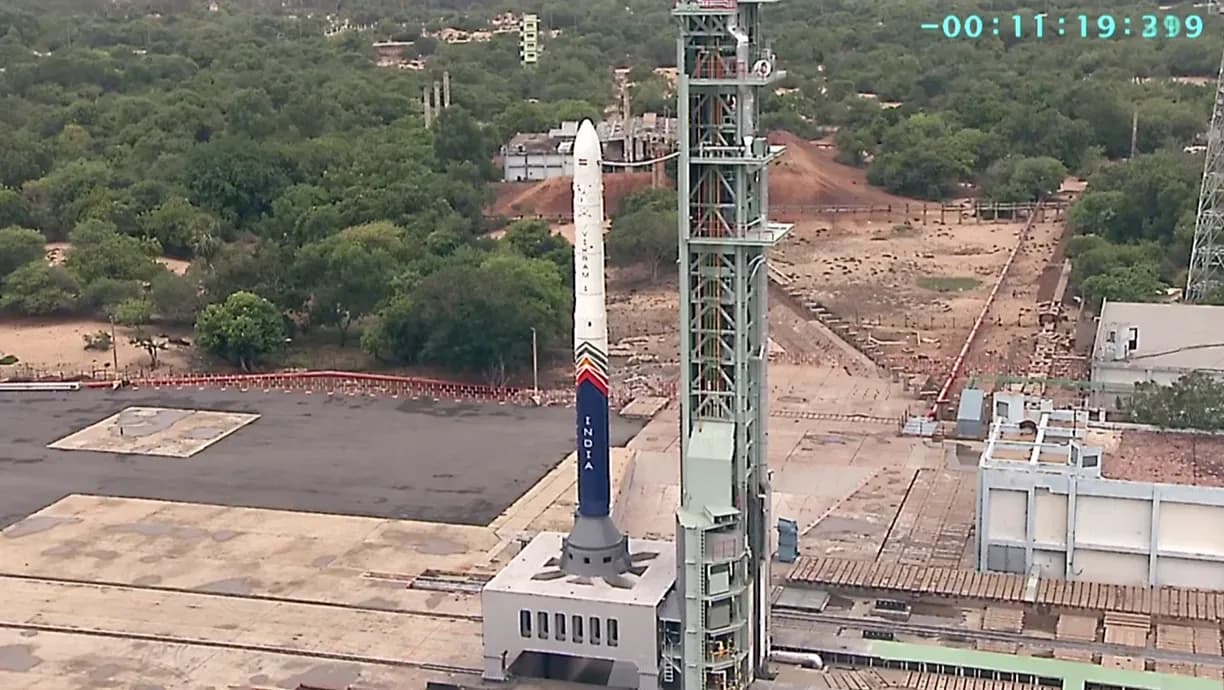
India marked a major milestone in its space journey on Saturday as Skyroot Aerospace’s Vikram-1 successfully completed its maiden orbital mission, making the country the third in the world with private orbital launch capability. The launch also signals a significant step towards commercial space launches from Indian soil.
The rocket lifted off from the Satish Dhawan Space Centre in Sriharikota at 12.10 pm, placing four technology demonstration payloads into Low Earth Orbit (LEO) at an altitude of around 450 km with a 60-degree orbital inclination.
Mission Aagaman marks a new chapter
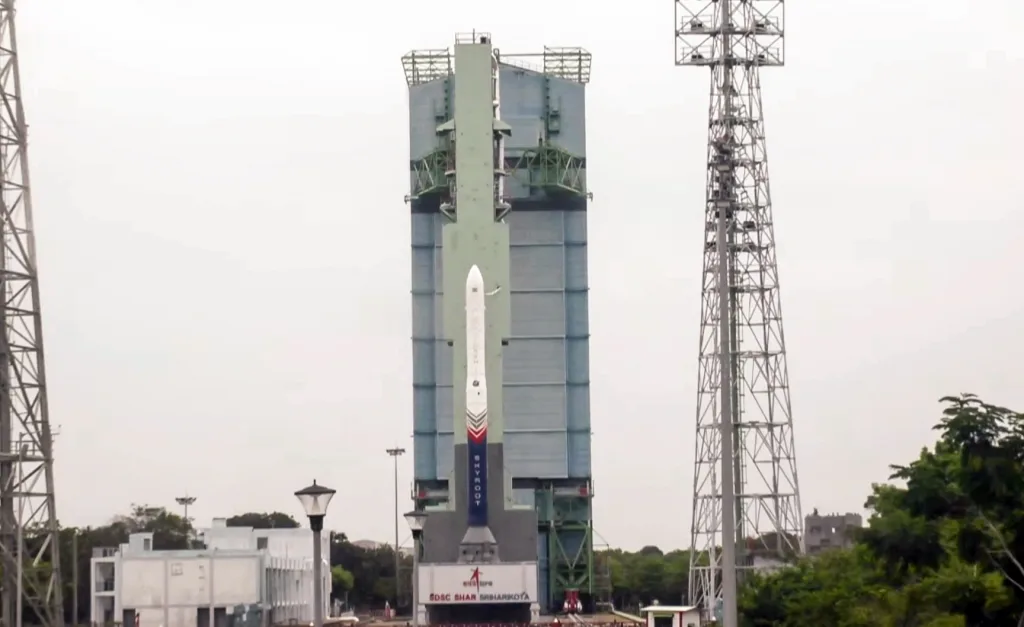
Developed by Hyderabad-based Skyroot Aerospace, Vikram-1 is the company’s first orbital launch vehicle. The mission, named Aagaman, follows the successful suborbital flight of Vikram-S in November 2022.
Also Read | PM Modi extends best wishes ahead of Vikram-1 launch
Celebrating the achievement, Skyroot co-founder and CEO Pawan Chandana said, “We have created a global milestone from India.”
Reflecting on the journey, he added, “I thought it won’t be possible. A big shout out to the phenomenal team that made it happen.”

PM Modi congratulates Skyroot team
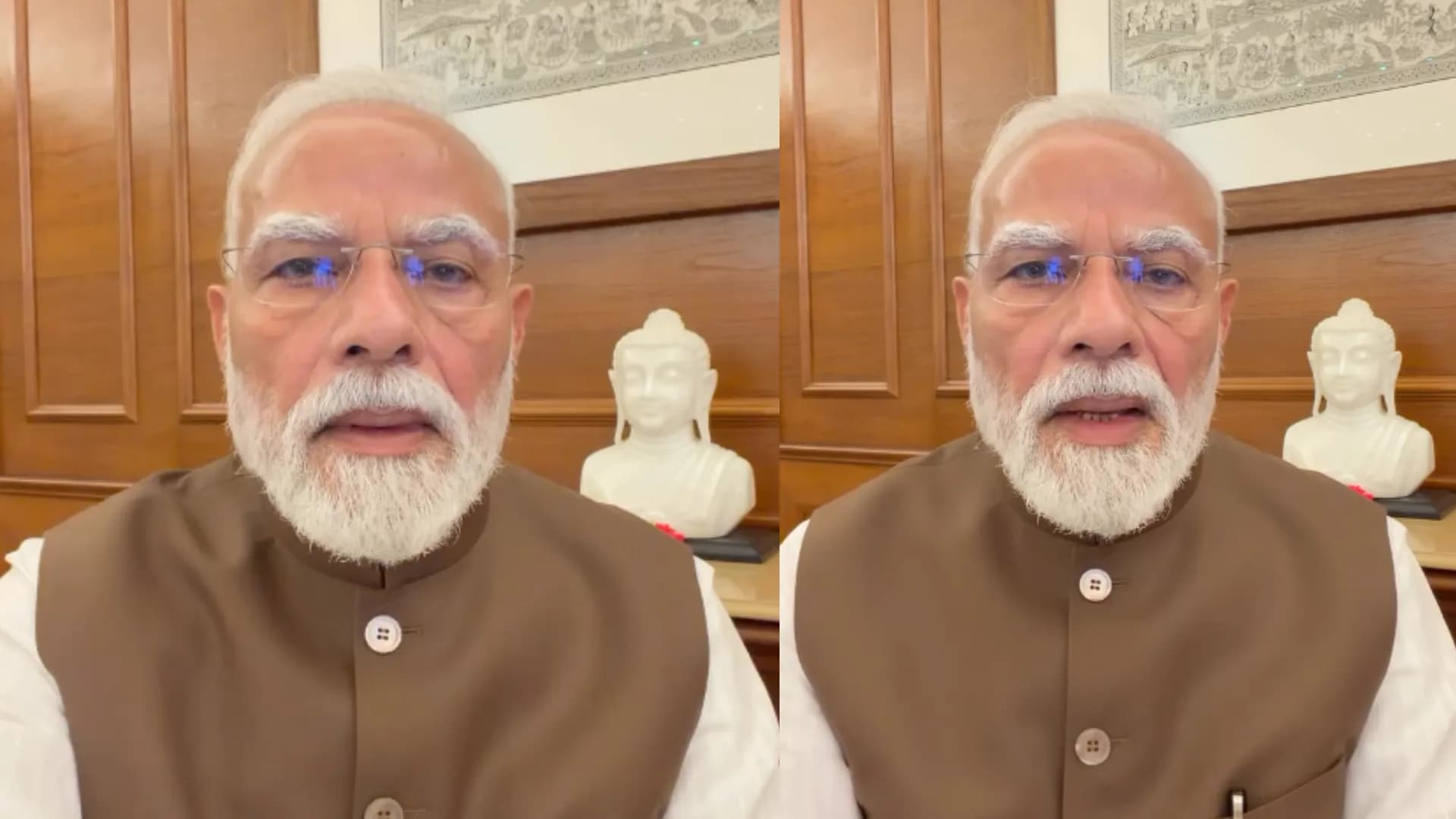
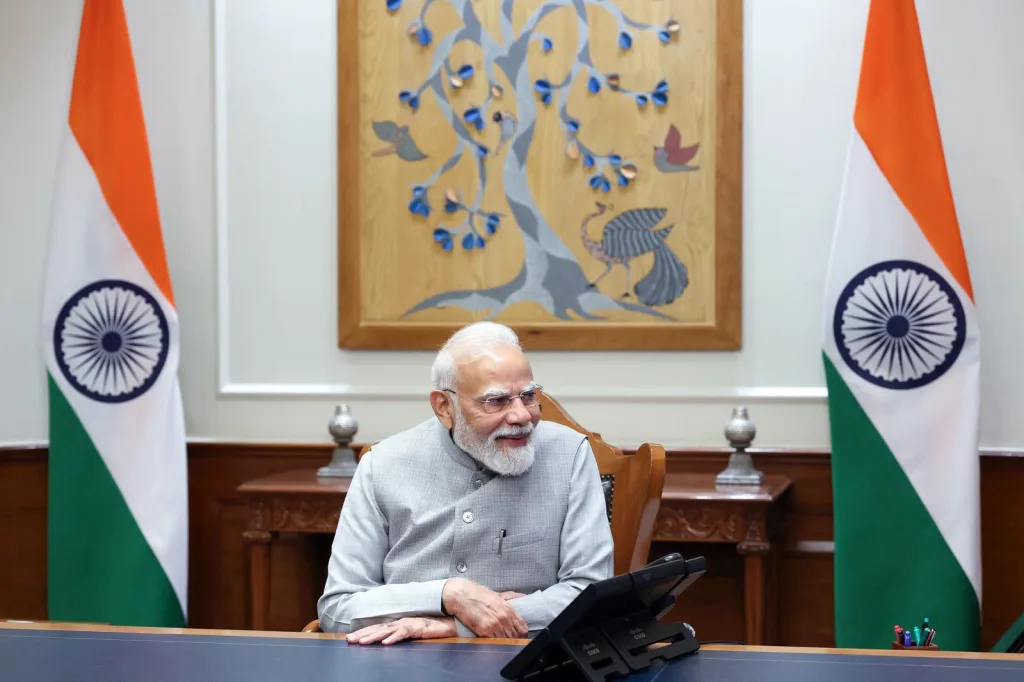
Soon after the launch, Prime Minister Narendra Modi spoke to the Skyroot team and congratulated them on the successful mission.
Calling it a landmark achievement, Modi wrote on X, “This is a defining moment in India’s space journey. The growing participation of our private sector is opening new frontiers and accelerating innovation. This achievement will encourage countless youngsters to dream bigger and innovate fearlessly.”
Ahead of the launch, he had also described Mission Aagaman as a “historic new frontier for India’s space journey” and posted, “This mission highlights the talent, determination and entrepreneurial spirit of our youth. It also shows how our space-sector reforms are unlocking new opportunities for innovation and enterprise…May Vikram-1 soar high, create history and inspire a generation of innovators.”
Rocket built entirely in India
Standing as tall as a seven-storey building, Vikram-1 is designed to carry small satellites weighing up to 350 kg into Low Earth Orbit. The launch vehicle features an all-carbon composite structure and uses in-house propulsion systems, including 3D-printed engines and high-thrust solid-fuel boosters.
Also Read | Skyroot Vikram-1 launch today: How and where to watch live
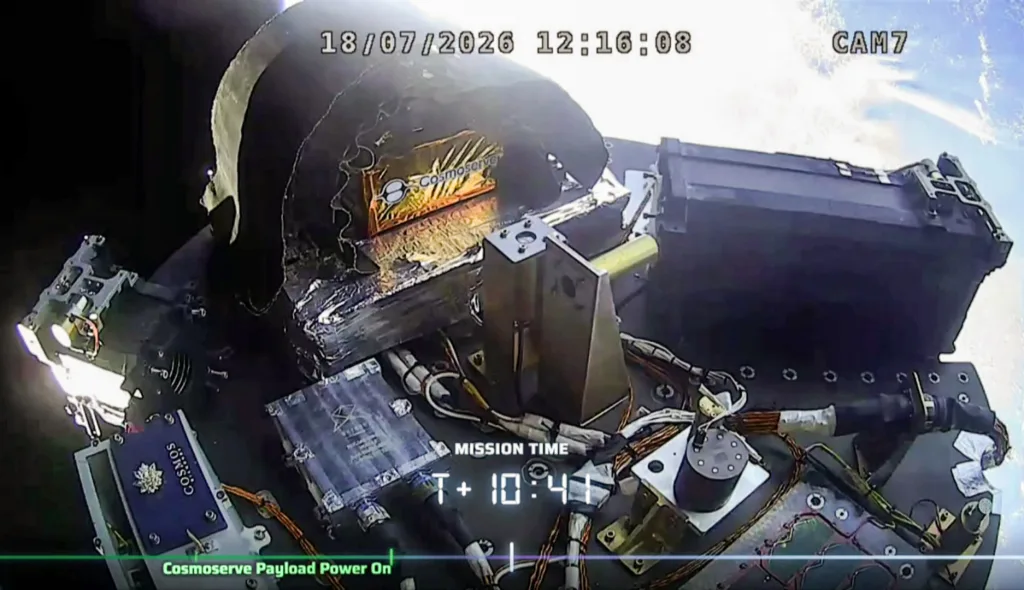
The mission carried four technology demonstration payloads from Indian and international organisations, including satellites and in-orbit technology demonstrations. It also transported microscopic gold sculptures honouring Sir CV Raman, Vikram Sarabhai and APJ Abdul Kalam, along with an artwork titled Cosmic Bloom.
Earlier this month, Pawan Kumar Chandana had described Vikram-1 as “100 per cent designed in India, 100 per cent manufactured in India”, highlighting the extensive engineering effort behind the project. The mission is expected to generate valuable data on propulsion, stage separation, navigation and overall vehicle performance as Skyroot moves towards commercial launch operations.
FAQs:
Why is Vikram-1’s launch significant for India?
It makes India the third country with private orbital launch capability.
What payloads did Vikram-1 carry?
It carried four technology demonstration payloads from Indian and international organisations, along with commemorative items.
