




























Bhakti is often linked with rituals such as visiting temples, offering flowers, lighting lamps, or singing devotional songs. While these practices are meaningful for many devotees, they represent only one aspect of the spiritual path. According to the Bhakti Sutras shared by the Aatman Awareness Centre, HH Guruji Sundar explains that Bhakti is rooted in unconditional love, complete surrender, and inner transformation rather than external rituals alone.
His teachings suggest that devotion begins within and gradually influences the way a person thinks, acts, and connects with the Divine. For those exploring spirituality for the first time, these seven teachings offer a practical understanding of what Bhakti truly means.
Bhakti begins with complete surrender
HH Guruji Sundar says true devotion is “total surrender to God or Guru.” He explains that surrender is not limited to religious ceremonies or gestures of respect. It involves placing one’s body, mind, and soul in the care of the Divine with complete trust. According to the teachings, this means allowing spiritual guidance to take precedence over personal fears and desires.
Also Read | 8 mental patterns to break if you want a calmer, happier life

Love is the heart of devotion
The Bhakti Sutras emphasise that devotion loses its meaning if it is not supported by genuine love.
HH Guruji Sundar teaches that love should arise naturally from the heart, adding that when love is sincere, surrender happens effortlessly. He also describes pure love as compassion that gives freely without expecting anything in return and accepts others as they are.
Daily life can become a spiritual practice
Bhakti does not require withdrawing from everyday responsibilities.
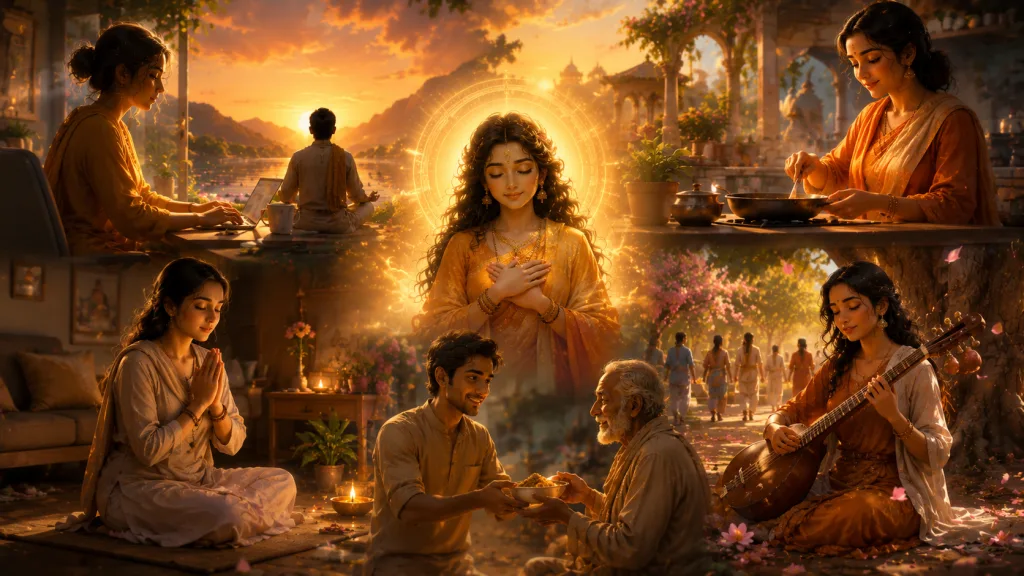
HH Guruji Sundar says there is “no need to sit for long hours” in prayer or meditation to practise Bhakti. Instead, he advises devotees to surrender everything to God while continuing with their daily duties. Whether at work, at home, or while fulfilling personal responsibilities, every action can become an expression of devotion when performed with the right intention.
Every person’s path is unique
The teachings make it clear that devotion cannot be copied or taught in a fixed way.
“No one can teach us Bhakti,” HH Guruji Sundar says, explaining that every individual connects with the Divine differently. For some, devotion may take the form of prayer, while others may express it through service, meditation, music, or silent remembrance. The focus remains on developing a sincere personal connection rather than comparing one’s journey with others.
Humility matters more than recognition
According to the Bhakti Sutras, a true devotee does not seek attention for their faith.
HH Guruji Sundar describes the real Bhakta as someone who quietly waits outside the crowd instead of trying to be noticed. The teachings highlight that devotion is an inner experience and should not become a public performance.

Sincerity is more valuable than the offering
The teachings also stress that the value of devotion is not measured by material offerings.
Also Read | Angel numbers explained: Powerful meanings behind 111, 222 & 333
HH Guruji Sundar says the quality and sincerity behind an act matter far more than its size. Whether someone offers a flower, a simple prayer, or an act of service, genuine intention is what gives it spiritual significance.

Compassion reflects spiritual growth
A recurring message throughout the Bhakti Sutras is that inner transformation begins with love.
HH Guruji Sundar teaches that as love deepens, compassion naturally becomes part of a devotee’s life. Rather than separating spirituality from everyday living, the teachings present Bhakti as a path where love, surrender, and compassion shape every action and relationship.
FAQs:
What is Bhakti in Hinduism?
Bhakti is the spiritual path of unconditional love, complete surrender, and devotion to God, focusing on inner transformation rather than rituals alone.
How can beginners practise Bhakti in daily life?
Beginners can practise Bhakti by performing daily duties with devotion, cultivating love and compassion, and surrendering their actions to the Divine.
