



























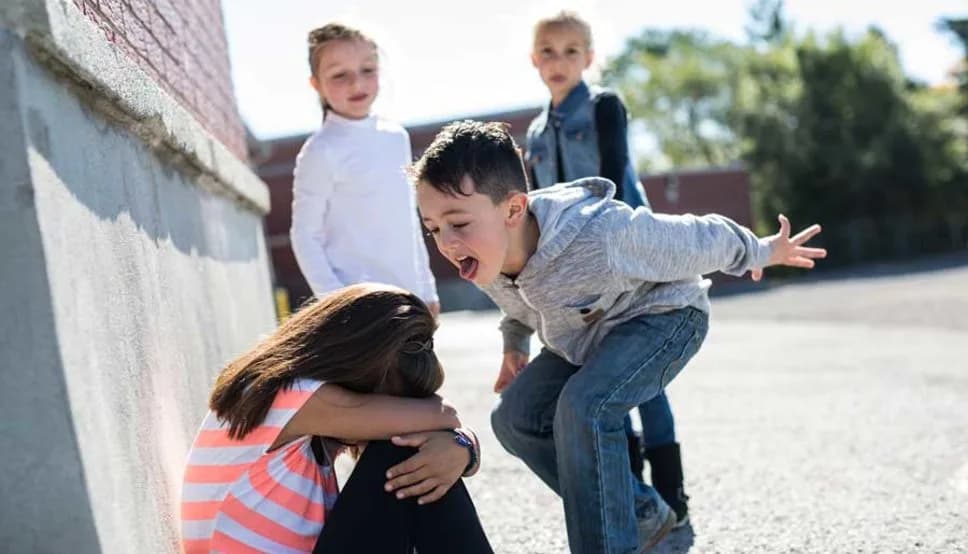
Bullying often leaves emotional wounds that are not immediately visible. While some children openly talk about their experiences, many choose to remain silent because they fear retaliation, embarrassment, or not being believed.
According to a Dr Gayathri K, psychiatrist at Maarga Mind Care, parents can identify subtle behavioural and emotional changes that may indicate a child is struggling with bullying. The expert’s insights were shared in a report by Hindustan Times.
Children may not always ask for help
Children who experience bullying frequently hide their feelings, making it essential for parents to pay close attention to changes in everyday behaviour.
“The signs of bullying can be subtle, yet they can have an extreme impact on a child’s emotional and psychological well-being,” the psychiatrist said, stressing that early intervention can prevent long-term emotional distress.
Also Read | Friendfluence dating trend: Why Gen Z is dating in groups
Six warning signs parents should watch for
According to the psychiatrist, these are some of the most common signs that may suggest a child is being bullied include sudden changes in mood or behaviour, a cheerful child becoming withdrawn, anxious, unusually quiet or irritable could be signalling emotional distress.
There might be unexplained injuries or damaged belongings: Bruises, torn clothes, missing books or broken personal items without a convincing explanation should not be ignored. Frequent physical complaints like recurring headaches, stomach aches or requests to stay home from school may sometimes reflect emotional stress rather than illness.
There might also be changes in eating or sleeping habits, without noticeable loss of appetite, overeating, insomnia or nightmares can all be linked to ongoing anxiety.
If a child repeatedly avoids school, makes excuses or suddenly loses interest in attending classes, it may be a warning sign. Avoiding friends, spending more time alone or mentioning feelings of loneliness or exclusion could indicate bullying.
Also Read | What is Eyecontactship? The dating trend taking over Gen Z
Why early conversations matter
The psychiatrist advised parents not to dismiss these behaviours as temporary mood swings. Instead, they should create a safe and non-judgmental environment where children feel comfortable sharing their experiences.
“By recognising these signs, you can take the first step in addressing the issue and providing your child with the support and protection they need,” Dr Gayathri noted.
Parents are encouraged to listen patiently, reassure their children that they are not alone and work with teachers or school authorities if bullying is suspected. Prompt action can help restore a child’s confidence and emotional well-being while preventing lasting psychological effects.
FAQs
Q1. What is the most common sign that a child may be facing bullying?
A sudden change in behaviour, mood or reluctance to attend school is often an early warning sign.
Q2. Why do children hide bullying from their parents?
Many children stay silent because they fear embarrassment, retaliation or believe speaking up may worsen the situation.
