

























England’s 2-1 defeat to Argentina in the FIFA World Cup 2026 semi-final has once again revived a familiar discussion among football fans. The Premier League is often described as the strongest domestic competition in the world, but England’s latest World Cup exit has raised fresh questions about whether the league’s global popularity creates higher expectations for its players than their international performances justify.
With one of the most talented squads on paper, England entered the tournament as one of the favourites. However, their defeat to Argentina has once again prompted debate over whether Premier League success always translates into success on football’s biggest stage.
Why does the Premier League shape global perceptions?
The Premier League enjoys unmatched worldwide visibility. Its enormous television audience, extensive media coverage and constant social media attention ensure that standout performances receive global recognition almost instantly.

Every weekend, individual displays become the focus of television debates, online analysis and fan discussions. A strong performance against domestic opposition can dominate headlines for days, helping players build worldwide reputations long before they are judged in a major international tournament.
That level of exposure naturally influences conversations about who deserves to be labelled “world-class.” As a result, Premier League players often receive greater attention than equally consistent performers competing in other leading European leagues.
Also Read | Harry Kane hails Lionel Messi after England’s 2-1 World Cup semi-final defeat to Argentina
Players in other European leagues often receive less attention
Footballers starring in La Liga, Serie A and the Bundesliga regularly produce performances of a similar standard, yet they do not always enjoy the same level of international media coverage.
Because the Premier League dominates football broadcasting and digital conversations, comparisons between elite players can sometimes lean towards those playing in England. The wider audience often becomes more familiar with Premier League stars simply because they are seen more frequently.
That visibility can influence how players are judged before they have fully proven themselves at World Cup level.
England does have talented players. But there is a huge difference between elite and good#FIFAWorldCup https://t.co/gwFkmFIBRW
— HT Sports (@SportsbyHT) July 16, 2026
International stars raise the Premier League’s standard
A significant part of the Premier League’s quality comes from some of football’s biggest international names.
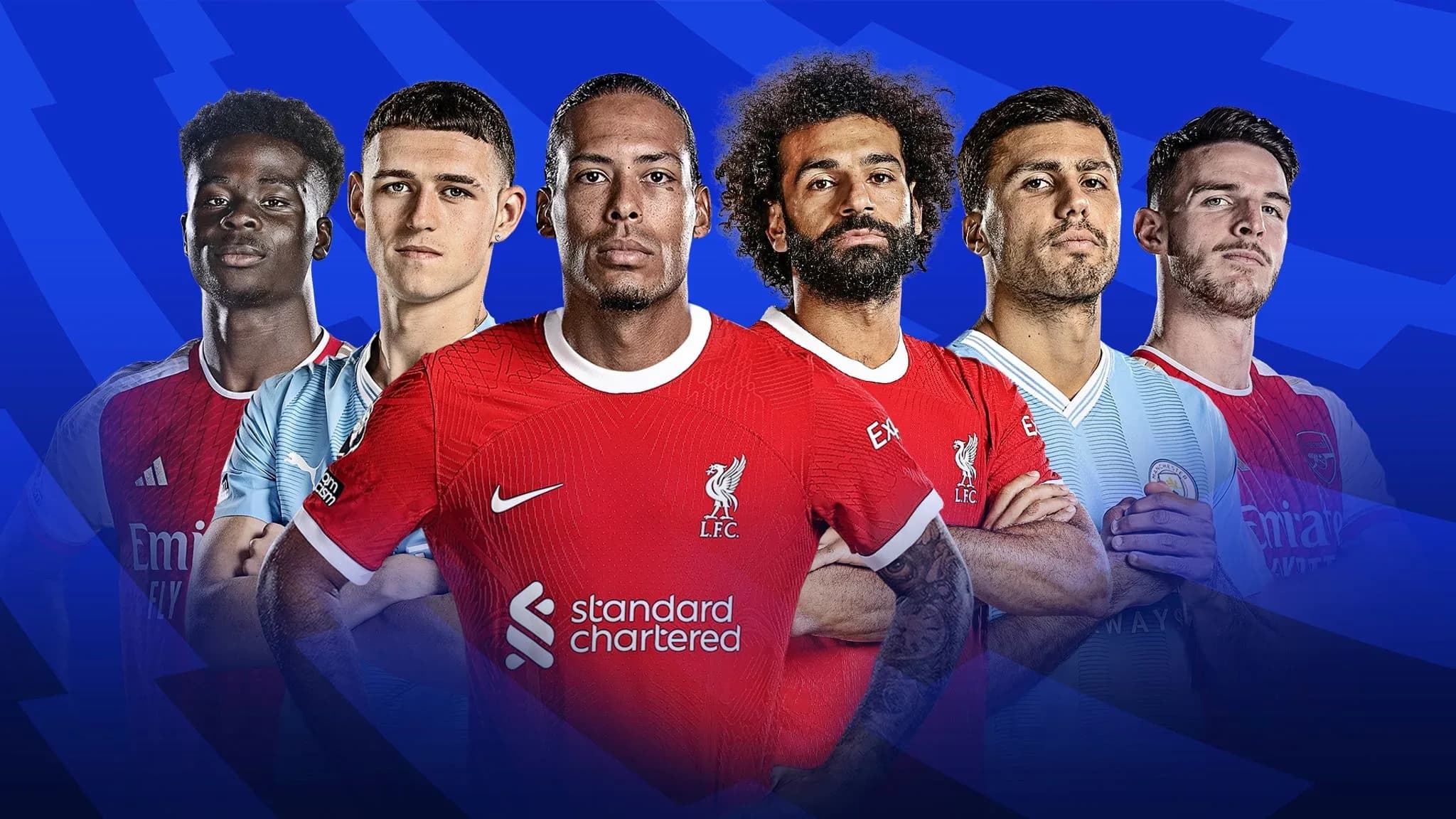
Players such as Mohamed Salah, Erling Haaland, Rodri and Virgil van Dijk have helped raise the overall standard of the competition. English players compete alongside these established stars every week, benefiting from their quality and experience.
Also Read | FIFA World Cup 2026 Golden Boot race: Can Lionel Messi hold off Kylian Mbappé?
When successful team performances are analysed, homegrown players can sometimes receive more recognition than their specific contribution might warrant. This can strengthen the perception that England’s leading players belong among football’s very best.
Why is international football a different test?
International tournaments present challenges that club football cannot fully replicate. National teams spend far less time together than club sides, leaving coaches with fewer opportunities to develop detailed tactical systems. Success depends on how quickly players adapt, understand teammates and respond to changing situations during matches.

Unlike club football, international success is not influenced by transfer values, commercial status or league reputation. What matters most is how effectively players perform within the national team’s structure under tournament pressure.
England’s World Cup campaign again highlighted those differences.
Are all England’s top players truly world-class?
England unquestionably possess players capable of competing at the highest level. Jude Bellingham and Harry Kane continue to rank among the leading footballers in world football through their consistent performances.
The broader debate centres on whether every standout Premier League player should automatically be placed in that same category.
The distinction between being an elite footballer and being one of the greatest players in the world is often overlooked. The Premier League’s enormous global platform can elevate expectations, particularly for players such as Declan Rice and Bukayo Saka, who are frequently compared with football’s biggest names despite competing in a different stage of their careers.
Spain and Argentina offer a different blueprint
Recent international success has often been built around collective identity rather than individual reputation. Spain’s golden generation developed through years of tactical consistency, while Argentina’s recent achievements have come from a clearly defined playing style that extends beyond Lionel Messi’s individual brilliance.
🇪🇸 Spain v Argentina 🇦🇷
— BBC Sport (@BBCSport) July 15, 2026
🏆 What a World Cup final it's going to be!
⏰ Sunday 19 July, 20:00 BST pic.twitter.com/PqwKcwW342
England continue searching for that same balance between individual talent and collective cohesion. Their squad contains quality throughout, but international football consistently rewards teams capable of functioning as a unified system under pressure.
The Premier League remains one of football’s most influential competitions, but its global reach can sometimes blur the difference between excelling in England’s domestic league and proving that quality on the World Cup stage. England’s latest defeat to Argentina has ensured that debate will continue as attention now turns to the next international cycle.
FAQs
Why has England’s World Cup exit sparked debate?
England’s loss to Argentina has renewed discussion over whether Premier League success accurately reflects players’ performances in international football.
Does the article say England lacks world-class players?
No. It acknowledges players like Harry Kane and Jude Bellingham as world-class while examining whether Premier League exposure raises expectations for others.
