






















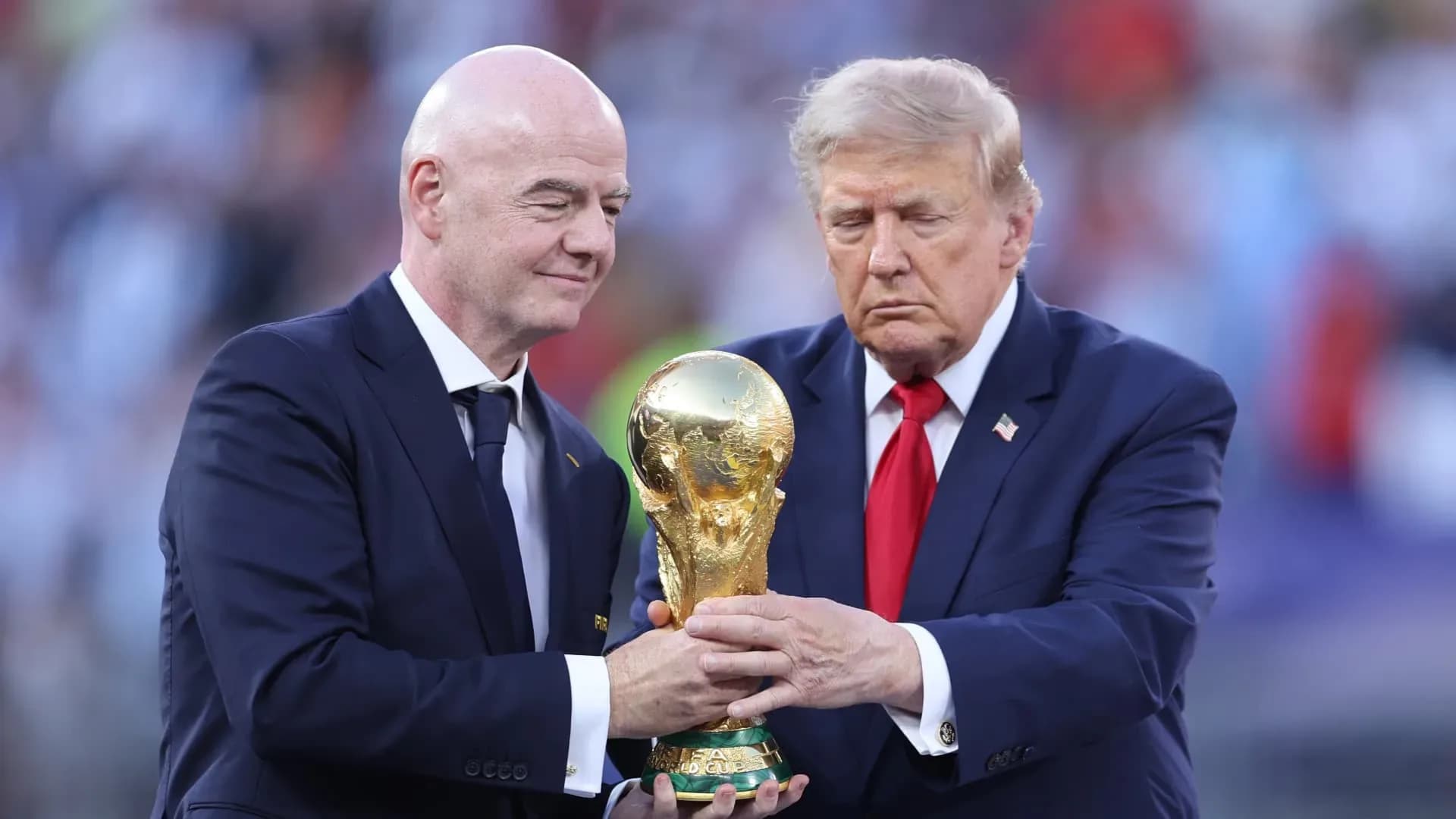
The FIFA World Cup 2026 concluded with Spain defeating Argentina 1-0 after extra time to lift the trophy, but the biggest winner off the pitch was FIFA. The governing body is on course to generate more than $9 billion in revenue, making the tournament the most financially successful sporting event ever, according to FIFA’s own projections.
The expanded competition featured 48 teams for the first time, creating more matches, more broadcasting opportunities, and increased commercial value. With the final now complete, attention has also turned to FIFA’s long-term strategy and the possibility of another expansion for the 2030 edition.
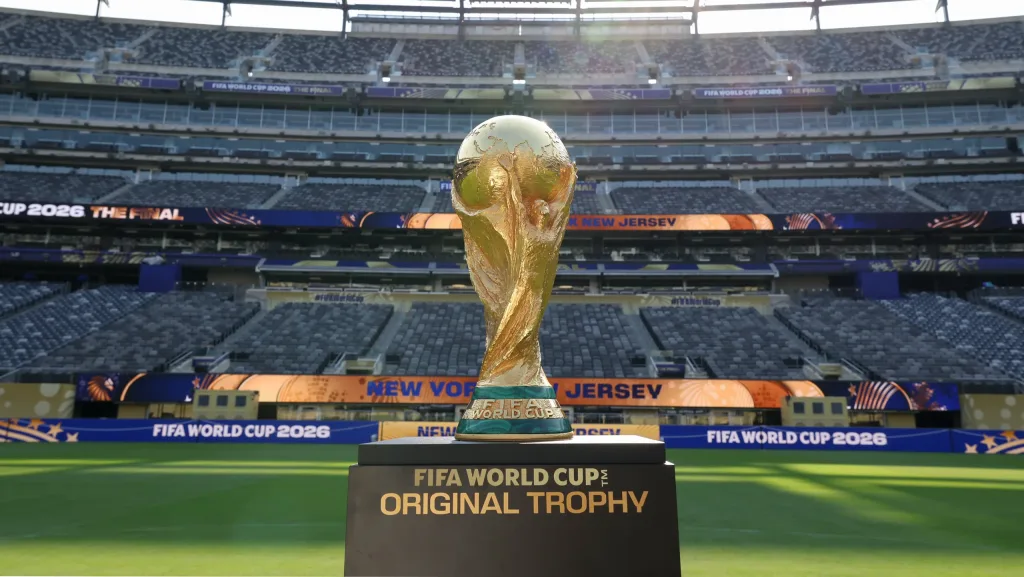
Spain lift the trophy as historic tournament ends
Spain secured their second FIFA World Cup title after defeating defending champions Argentina 1-0 in extra time. Ferran Torres scored the decisive goal in the final, while Argentina’s challenge suffered a major setback after Enzo Fernandez was sent off following a second yellow card for a foul on Pau Cubarsi.
The tournament also introduced the FIFA World Cup’s first-ever halftime show. Performances by Madonna, Justin Bieber, BTS and Shakira extended the interval to more than 27 minutes, a move that sparked mixed reactions from fans and commentators.
🚨💰 FIFA have announced a record €13 BILLION in revenue from the 2026 World Cup, exceeding the €9.5BN initially forecast. 🌍🏆
— Football Tweet ⚽ (@Footballtweet) July 19, 2026
A major factor behind the increase was FIFA's official ticket resale platform, with the governing body taking a 15% commission from both buyers and… pic.twitter.com/rVPKSLRXFK
Despite the debate surrounding the entertainment format, the tournament proved to be a commercial success.
Expanded FIFA World Cup drives record revenue
The 2026 edition marked the first time that 48 nations competed at the FIFA World Cup instead of the previous 32-team format. That increase pushed the number of matches from 64 to 104 across a six-week schedule. More fixtures translated into additional broadcast inventory, increased ticket sales and greater sponsorship opportunities, helping FIFA reach record financial figures.
The tournament’s commercial growth reflects FIFA president Gianni Infantino’s push to expand football’s biggest event and unlock new revenue streams across global markets.
Ticket demand remained strong despite high prices
Before the tournament began, concerns were raised over ticket affordability. Match tickets ranged from around $60 to more than $10,000, while TicketData reported a median ticket price exceeding $900.
However, demand remained consistently high throughout the group stage. Antonio Di Cianni, Director of Advisory at Football Benchmark, highlighted the strong attendance figures during an interview with CNBC.
Also Read | Why Rodri won the FIFA World Cup 2026 Golden Ball over Lionel Messi?
“In the group stage, the utilization rate of stadiums was basically sold out, at 99%,” Di Cianni told CNBC’s Squawk Box Europe. “It showed people are willing to pay those prices.”
The strong response from supporters has encouraged FIFA to continue exploring larger tournament formats in the future.
WORLD CUP 2026: FIFA’S BIGGEST PAYDAY YET
— Juliana Olayinka (@JulianaOlayinka) July 20, 2026
💰 FIFA now expects to make more than $15 billion between 2023 and 2026, at least $2 billion above its previous forecast.
📈 Around $11 billion was expected to come in during 2026 alone, the year of the tournament.
📺 Broadcasting… pic.twitter.com/vWCKybcG5c
FIFA considering 64-team World Cup in 2030
Following the success of the expanded tournament, Infantino has already indicated that FIFA will study the possibility of introducing a 64-team FIFA World Cup in 2030. “These are all issues that we will be examining after the World Cup,” Infantino told Swiss broadcaster Blue Sport on July 10.
Also Read | Spain hero Ferran Torres shares a special World Cup link with India
If approved, nearly one-third of FIFA’s eligible member nations would qualify for the tournament. Kieran Maguire, Associate Professor in Football Finance at the University of Liverpool, believes the proposal would significantly widen participation.
“This is the opportunity for the World Cup to become the Olympics of football in the sense that it becomes open to far more nations,” he told CNBC. “While the medals might be concentrated in the hands of the few, you’ve got other people who can now say that they have participated.”
FIFA plans multi-billion dollar investment
Alongside its commercial expansion, FIFA has outlined plans to distribute $2.7 billion through its FIFA Forward 4.0 programme between 2027 and 2030. The funding will be shared across its 211 member associations to support football development and infrastructure projects.
The World Cup's $871 Million Payday Isn't the Real Story
— Sports Mint (@Sports_Mint) July 20, 2026
Everyone's fixated on one number this week. The champion takes home $50 million. Biggest prize in #WorldCup history. Richest tournament ever.
And that's true. But it's the small number.
The real story sits one level up,… pic.twitter.com/nvHkvHxDOl
According to Maguire, the programme also strengthens FIFA’s relationship with smaller football nations.
“FIFA under Infantino gives lots of money to small countries, who in turn vote for him to be re-elected as president,” he added.
Looking ahead, FIFA has already allocated a $6 billion budget for the 2030 FIFA World Cup, which will celebrate the tournament’s 100th anniversary. With expansion plans under consideration and commercial revenues continuing to grow, football’s biggest event appears set to become even larger in the years ahead.
FAQs
How much revenue is FIFA expected to earn from the 2026 World Cup?
FIFA estimates the 2026 FIFA World Cup will generate more than $9 billion in revenue, making it its most lucrative tournament.
Is FIFA planning to expand the World Cup again?
FIFA president Gianni Infantino said the governing body will examine the possibility of expanding the tournament to 64 teams for the 2030 World Cup.
