



















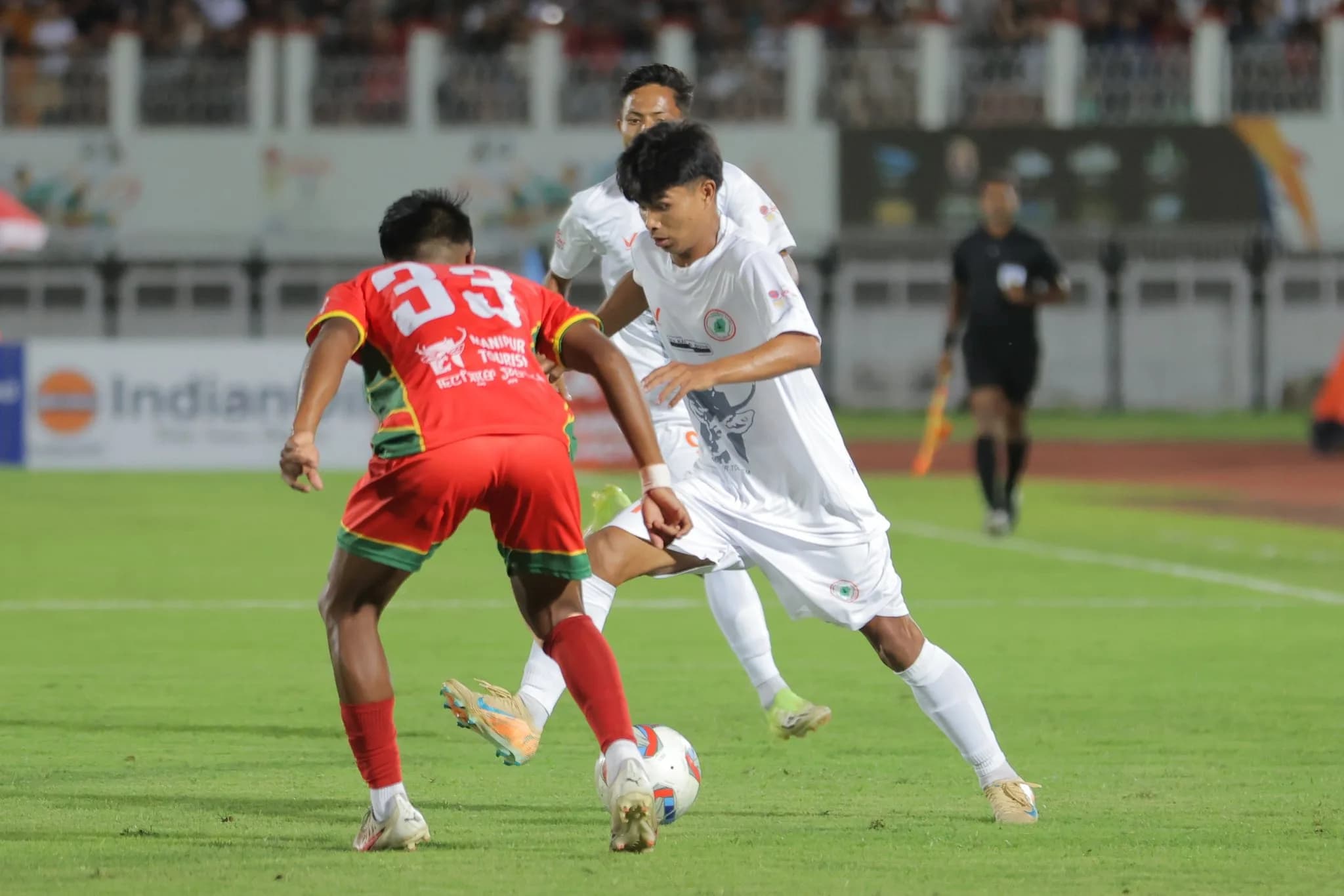
India’s World Cup dream remains as distant as ever after the national football team failed to qualify for the 2027 AFC Asian Cup, raising fresh concerns over the country’s long-term progress. While the FIFA World Cup 2026 captured the imagination of millions of Indian fans, the national team’s continued absence from football’s biggest stage has once again exposed deep-rooted structural challenges. Despite the enormous population and growing interest in global football, experts believe meaningful progress will require decades of sustained reforms.
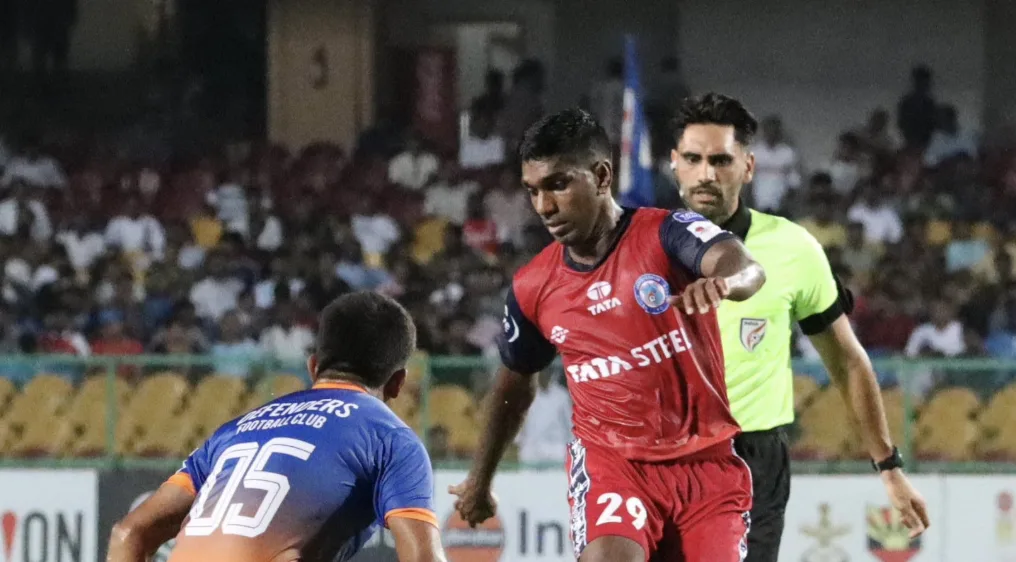
India World Cup dream suffers from weak football structure
The biggest obstacle to the World Cup dream is the country’s fragile football ecosystem. Former officials and club executives have repeatedly highlighted the lack of coordinated planning between the AIFF, state associations and clubs.
The uncertainty surrounding the ISL has also added to the problems. The league is yet to finalise its broadcast arrangements and fixture list after governance changes, affecting financial stability and long-term planning for clubs.
Football administrators believe consistent investment and better collaboration across all stakeholders will be essential if the World Cup dream is to become realistic.
Also Read | IFAB admits Breel Embolo red card was wrong in Argentina vs Switzerland World Cup quarterfinal
Grassroots development remains India’s biggest concern
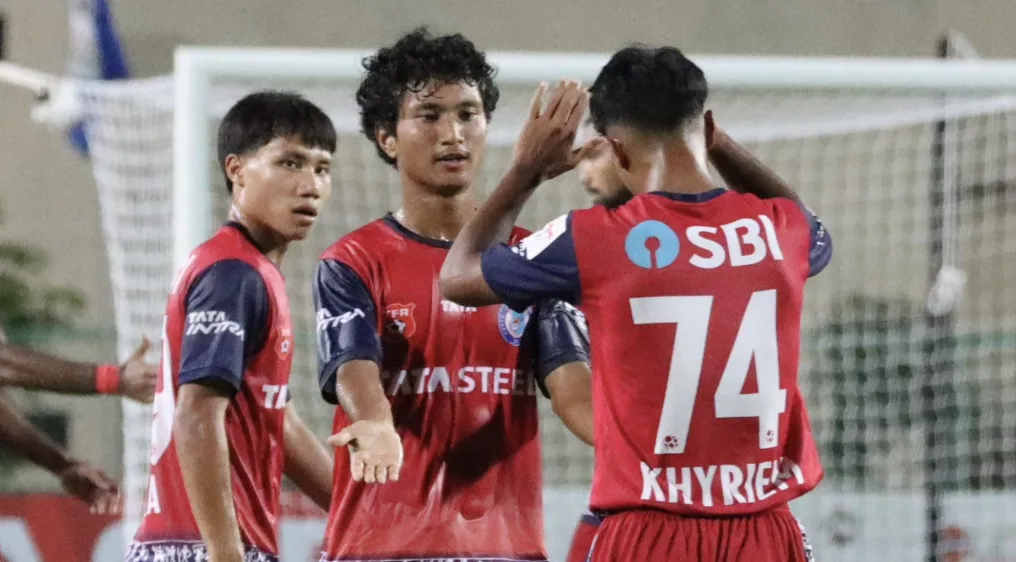
Experts argue that the World Cup dream cannot be achieved without transforming youth development. Young footballers in countries like Japan and South Korea play far more competitive matches every season than their Indian counterparts.
Several states still lack organised youth leagues, while the shortage of qualified coaches continues to slow player development. Many youngsters enter national camps with very little competitive experience, leaving them behind nations that have built strong football academies over several decades.
Improving grassroots competitions, coaching standards and football infrastructure remains critical for India’s future ambitions.
Also Read | Roberto Mancini returns as Italy coach, Claudio Ranieri named Technical Director
Fans continue believing despite repeated disappointments
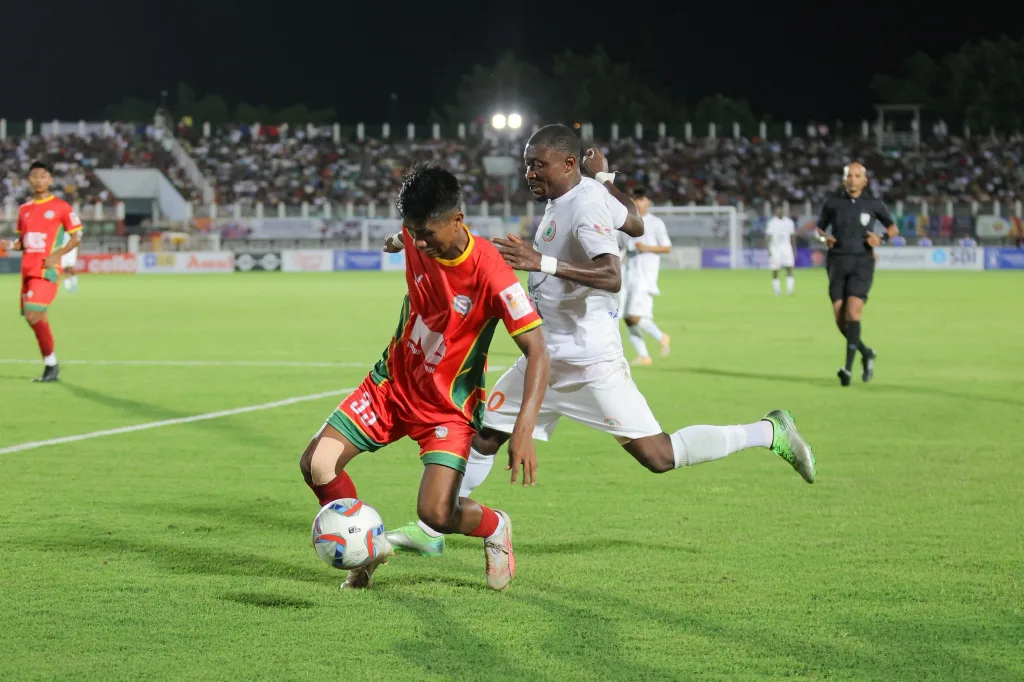
Even though the World Cup dream appears unlikely for the 2030 or even 2034 tournaments, supporters continue to remain hopeful. Indian football enjoys passionate followings in states such as West Bengal, Goa, Kerala, Mizoram and Manipur, while global stars like Lionel Messi and Cristiano Ronaldo continue to inspire millions of young fans.
The government is also exploring measures such as allowing Indian-origin athletes to represent the country, although any such policy remains under discussion.
Football experts caution that reforms must happen quickly because competing nations continue to improve every year. Without long-term planning and sustained investment, the World Cup dream risks remaining exactly that, a dream shared by generations of supporters waiting to see India compete on football’s biggest stage.
