



















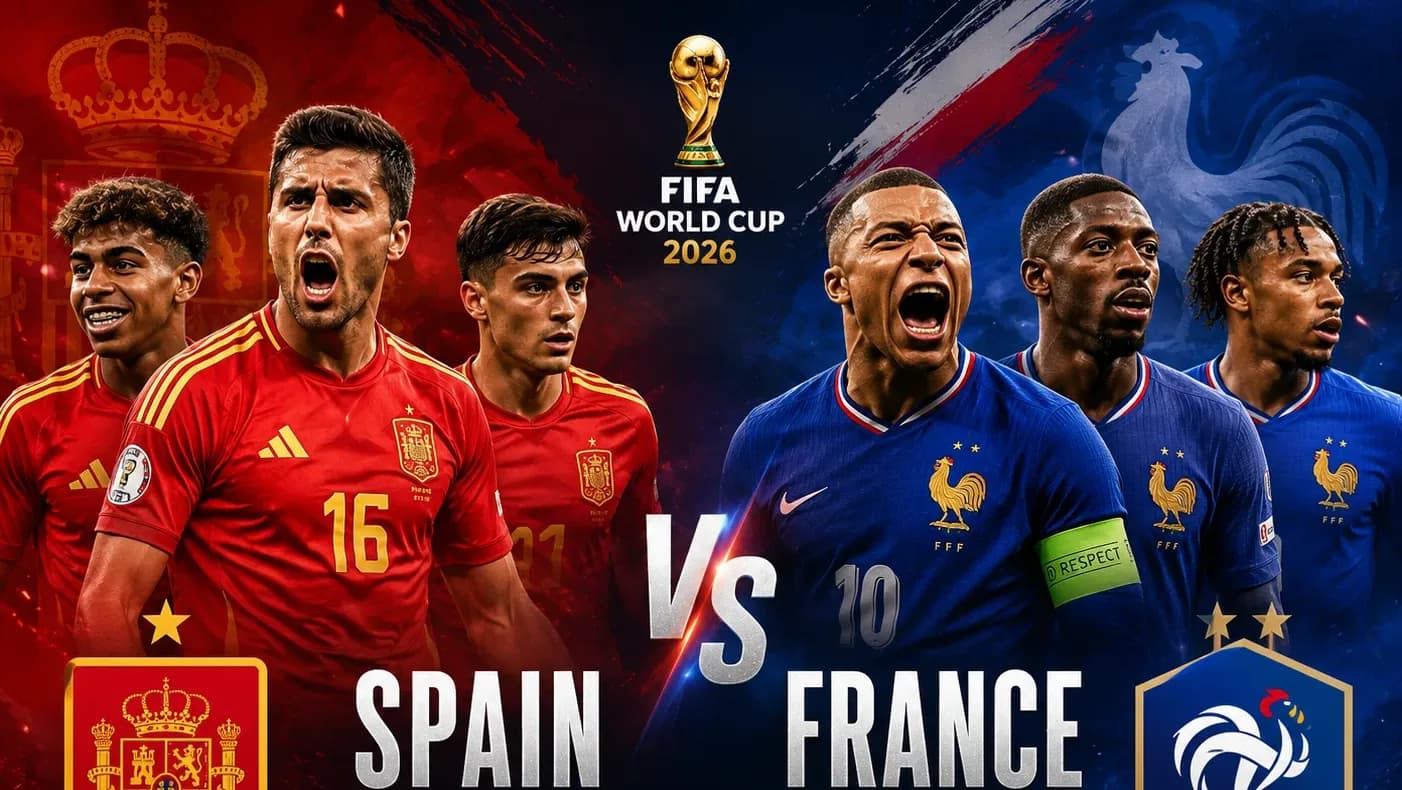
The FIFA World Cup 2026 semi-final between Spain and France has all the ingredients of a classic. Scheduled to be played in Dallas, the clash has already been described by many as the “final before the final” because it brings together two of the tournament’s strongest teams.
On paper, the contest appears to be a battle between Spain’s outstanding defensive record and France’s explosive attacking unit. However, the outcome may not be decided by possession or territorial dominance. Instead, the key could lie in what happens immediately after possession changes hands.
Spain’s defensive discipline faces France’s direct attack
France have reached the semi-finals without relying on long spells of possession. Their biggest attacking moments have usually come after winning the ball in dangerous areas before launching quick attacks.
The approach has been simple but effective. Recover possession, move the ball forward rapidly, and create scoring chances before opponents have enough time to reorganise defensively.
Also Read | What is the latest update on Kylian Mbappé? Didier Deschamps opens up
Spain have followed a completely different path. They have conceded only one goal throughout the tournament, with Belgium becoming the only team to breach their defence in the quarter-finals. Much of that success has come from controlling possession and reacting immediately whenever they lose the ball.
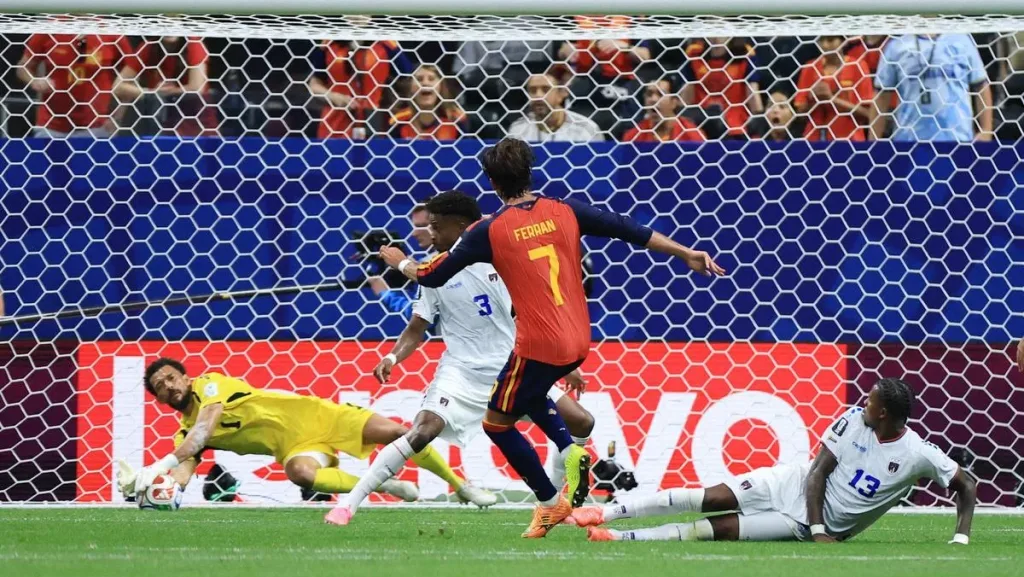
Spain have also recovered possession faster than any other team that featured in the quarter-finals, averaging just 12 seconds to win the ball back.
The real battle could be won in transition
Rather than becoming a contest between Spain’s possession-based football and France’s pressing game, this semi-final is expected to revolve around transition. The biggest question is whether France can turn loose balls into dangerous attacks before Spain’s aggressive counter-press shuts those moves down.
If Spain continue winning the ball back quickly, France may find far fewer transition opportunities than they have enjoyed in previous matches.
Also Read | Diego Forlán appointed Uruguay interim coach after Marcelo Bielsa resigns following World Cup exit
France’s front four could test Spain like never before
Spain’s defensive organisation has frustrated every opponent so far. Yet France present a challenge unlike any they have faced during this World Cup.
The expected attacking combination of Kylian Mbappe, Ousmane Dembele, Michael Olise and Desire Doue brings exceptional pace, movement and direct running.
Belgium briefly exposed spaces in Spain’s defensive line during the quarter-finals whenever the back four became stretched. However, Belgium were unable to make those moments count consistently.
France possess significantly greater firepower and could prove far more clinical if similar opportunities arise. Another advantage for Didier Deschamps is the confidence he has in his defenders during one-on-one situations. That security allows France’s full-backs and midfielders to push higher up the pitch and support attacks earlier than many other teams would risk.
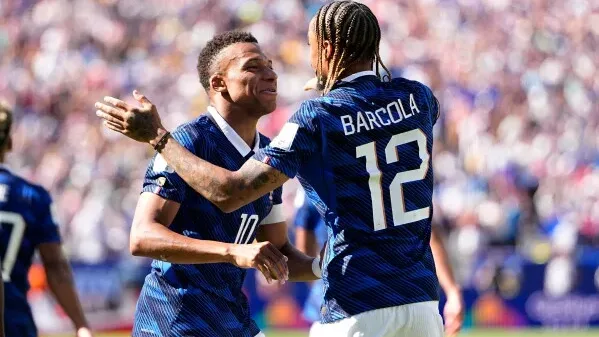
If Spain commit too many players forward in search of control, they could unintentionally create the open spaces France have exploited throughout the tournament.
Spain could force France into an uncomfortable game
France’s route to the semi-finals has also revealed one possible weakness. Against Paraguay and Morocco, Les Bleus struggled to create enough chances when opponents defended deep and denied them space to attack quickly.
Spain are among the most organised defensive teams in the competition and rarely allow matches to become stretched.
If they successfully slow the tempo and force France into patient build-up play, the game could become one with very few clear-cut opportunities. That style has suited Spain throughout the tournament.
Mikel Merino has become Spain’s game-changer
Spain also possesses an important option from the bench in Mikel Merino.
The Arsenal midfielder has already influenced two knockout matches after coming on as a substitute and has established himself as Spain’s most dependable late-match difference-maker.
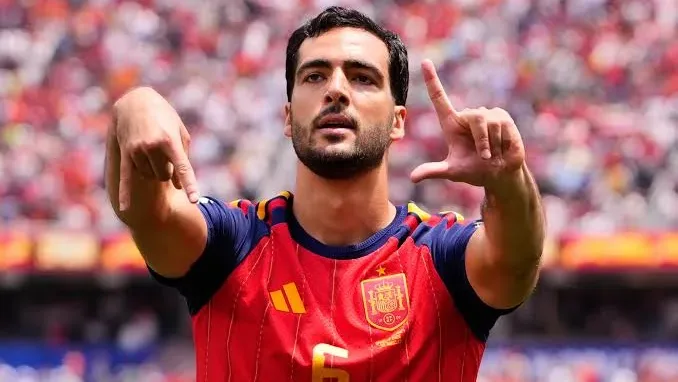
Should the semi-final remain level entering the closing stages, Merino could once again become a decisive figure.
Lamine Yamal remains Spain’s biggest attacking threat
France’s preparations will also revolve around stopping teenage sensation Lamine Yamal.
Although his goal contributions do not fully reflect his overall influence, Yamal has won more attacking ground duels than any player at this World Cup. Even when he is not directly involved in goals, the youngster consistently pulls defenders out of position, creates overloads and opens spaces for teammates.
France experienced his impact during the Euro 2024 semi-final, and they know that a single moment involving Yamal can completely change the direction of a match.
Familiar rivals meet again on the big stage
This will be the third straight summer that Spain and France face each other in a major international competition. Spain defeated France 2-1 in the Euro 2024 semi-final in Munich. Following that defeat, Kylian Mbappe admitted Les Bleus had been “outplayed”, while Didier Deschamps accepted responsibility for the loss.
That setback marked the beginning of tactical changes within the French side.
Inspired partly by France’s Olympic campaign and helped by the emergence of Michael Olise, Desire Doue and Manu Kone, Deschamps moved away from his traditional 4-3-3 formation in favour of a more attack-minded 4-2-3-1 system.
The new approach was evident when the two nations met again in the UEFA Nations League semi-final a year later. Spain edged a thrilling 5-4 victory, but France looked like a much-improved side despite the defeat. It was also the first time Mbappe, Dembele, Olise and Doue operated together in the same attacking setup.
The same quartet is expected to start again in Dallas, but unlike the Nations League, there will be no opportunity to recover from defeat.
FAQs
What could decide the Spain vs France World Cup semi-final?
The match is expected to be decided by transition play and how both teams react after winning possession.
Why is Lamine Yamal crucial for Spain against France?
Yamal’s dribbling and ability to create space make him Spain’s biggest attacking threat in the semi-final.
