
























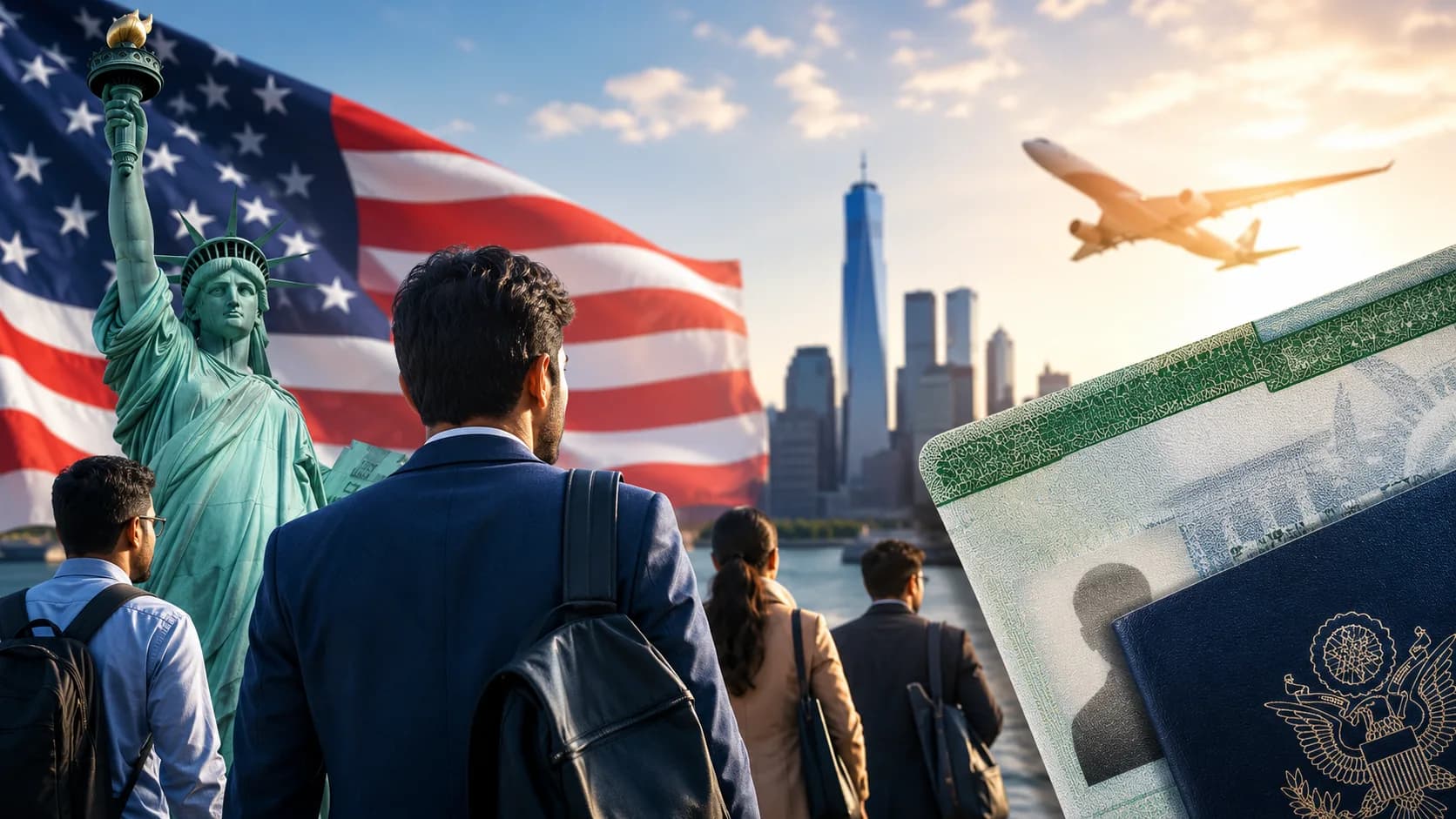
Thousands of Indian professionals waiting years for a US green card could see fresh hope after California Senator Alex Padilla reintroduced an immigration reform bill in the Senate. While the proposal is still far from becoming law, it aims to ease one of the biggest challenges faced by skilled foreign workers by creating a new pathway to lawful permanent residency for eligible long-term US residents.
If approved by Congress and signed into law, the measure could benefit more than eight million people, including H-1B visa holders, children of visa holders, Temporary Protected Status (TPS) beneficiaries, Dreamers and other long-term residents.
Why the proposal matters for Indians
Indian nationals make up the largest share of the employment-based green card backlog in the United States. Every year, thousands of engineers, IT professionals, doctors, scientists and researchers move to the US on H-1B visas with the hope of eventually becoming permanent residents.
Also Read | US appeals court blocks Trump’s mail voting order in 23 states before elections
However, the existing immigration system has left many waiting for years, and in some cases decades, because of country-wise limits on employment-based green cards. Estimates suggest Indians account for nearly 80 per cent of the pending employment-based green card queue, making them the hardest-hit group under the current system.
What the new immigration bill proposes
The legislation, titled the Renewing Immigration Provisions of the Immigration Act of 1929, seeks to update Section 249 of the Immigration and Nationality Act, commonly known as the Registry provision.
At present, only immigrants who entered the United States before January 1, 1972, can apply for permanent residency through this route. Since that date has remained unchanged for more than 50 years, the provision has become largely irrelevant.
Padilla’s proposal would replace the fixed cutoff with a rolling eligibility rule. Under the bill, individuals who have continuously lived in the US for at least seven years before applying could qualify for lawful permanent residency, provided they meet all other legal requirements.
According to Senator Padilla’s office, only 305 people were able to adjust their immigration status through the existing Registry provision between 2015 and 2019 because of the outdated eligibility date.
How H-1B visa holders could benefit
If the bill becomes law, eligible H-1B workers who have spent years waiting in the employment-based green card queue may have another route to permanent residency.
The proposed changes could offer greater certainty for professionals repeatedly renewing temporary work visas, reduce reliance on employer-sponsored visa extensions, improve job flexibility after securing permanent residency and provide relief to families that have remained stuck in immigration uncertainty for years.
However, the legislation does not automatically grant green cards to all H-1B visa holders. Applicants would still need to satisfy the eligibility requirements under the revised Registry provision.
What it could mean for Indian students
The proposal may also have long-term significance for Indian students studying in the US. Many graduates move from student visas to Optional Practical Training (OPT) and later to H-1B visas before entering the lengthy employment-based green card process.
Also Read | US slaps 10% tariff on India over forced labour investigation
If enacted, the bill could offer another pathway to permanent residency for eligible long-term residents, reducing dependence on the traditional employment-based system.
Padilla criticises Trump’s immigration approach
While announcing the legislation, Senator Alex Padilla criticised President Donald Trump’s immigration policies, saying immigrant families continue to face uncertainty despite contributing to the US economy.
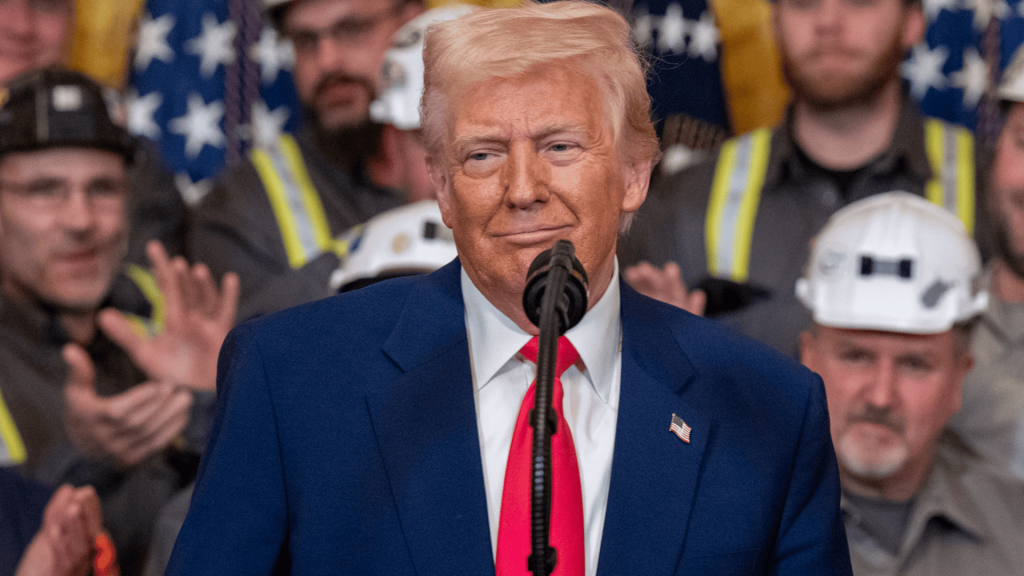
He said Congress should modernise immigration laws and create “a fair pathway to lawful permanent residency for long-term residents.”
The proposal has also received support from Senate Democratic Whip Dick Durbin, several Democratic senators and more than 30 organisations.
Before the bill can take effect, it must pass both the Senate and the House of Representatives before being signed into law by the US President.
FAQs:
Will the new US immigration bill automatically give green cards to H-1B visa holders?
No, eligible applicants must still meet the proposed Registry requirements if the bill is passed into law.
Why do Indian H-1B visa holders face such long green card waiting times?
The 7% per-country cap on employment-based green cards has created a decades-long backlog for Indian applicants.
