




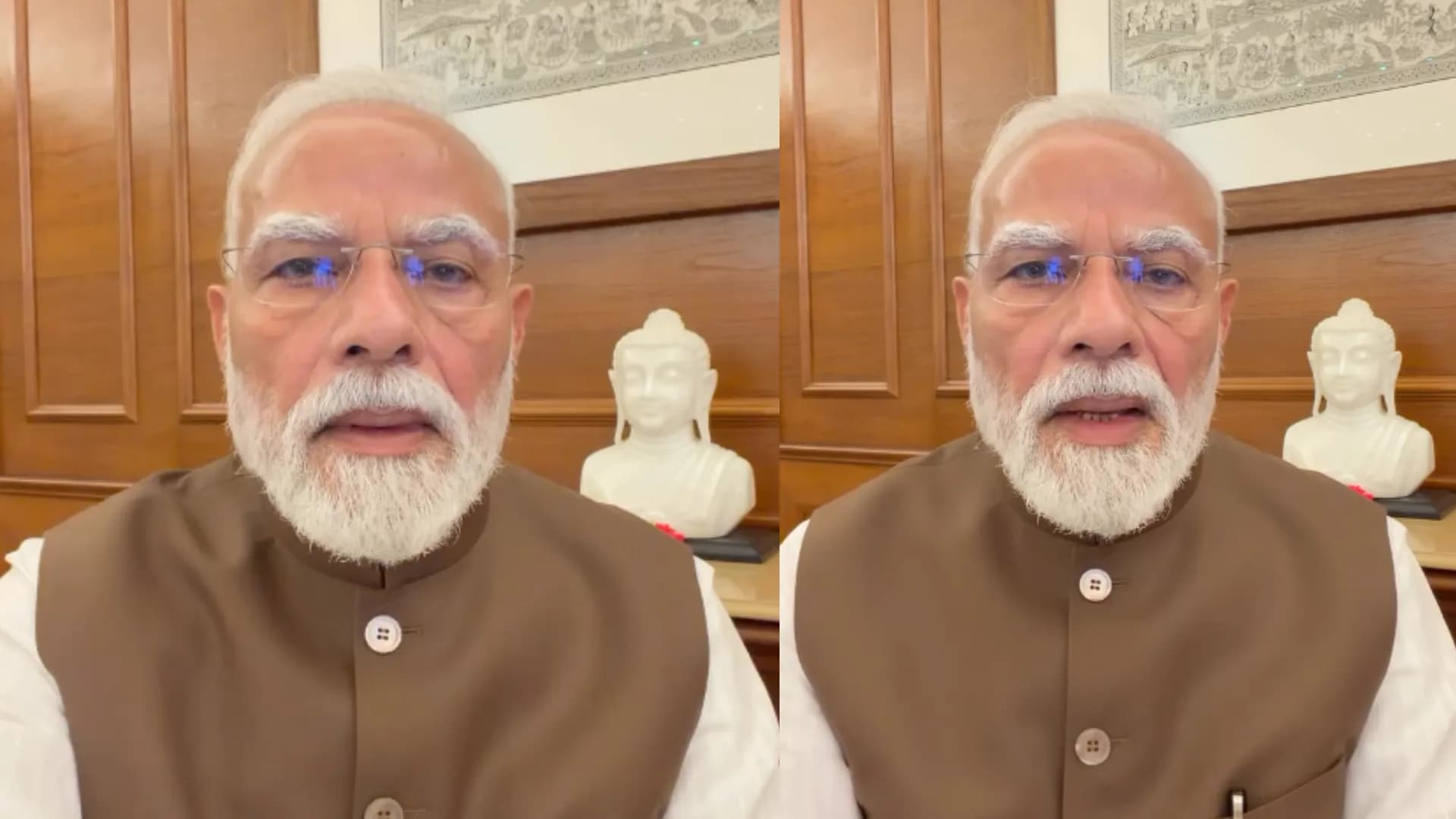












Andy Burnham was moving toward Downing Street on Monday. The former mayor of Greater Manchester and newly chosen Labour leader was taking the final steps to succeed Keir Starmer as Britain’s prime minister.
Starmer left Downing Street for Buckingham Palace to formally tender his resignation to King Charles III, after which Burnham was invited to form a government and then address the nation from the black door of 10 Downing Street.
The handover made him the country’s seventh prime minister in a decade, underscoring the pace of leadership change in British politics.
Also Read | Iran strikes Kuwait power plant, massive fire erupts as US hits back for ninth night
🚨 IN FULL: Andy Burnham's first address to the nation as Prime Minister pic.twitter.com/VgRMEt5hOU
— Politics UK (@PolitlcsUK) July 20, 2026
The keys to No 10 change hands
Burnham’s rise has been unusually swift. He returned to Parliament in June after winning a risky special election and was sworn in as a member on July 12, hours after Starmer announced his resignation.
Burnham had been appointed the United Kingdom’s seventh prime minister in a decade. He had pledged to put greater emphasis on issues people care about, including the cost-of-living crisis and poorly performing services.
Burnham is being handed power at a moment of political fatigue. Labor hopes the change at the top will reset its public standing after Starmer’s short and troubled tenure.
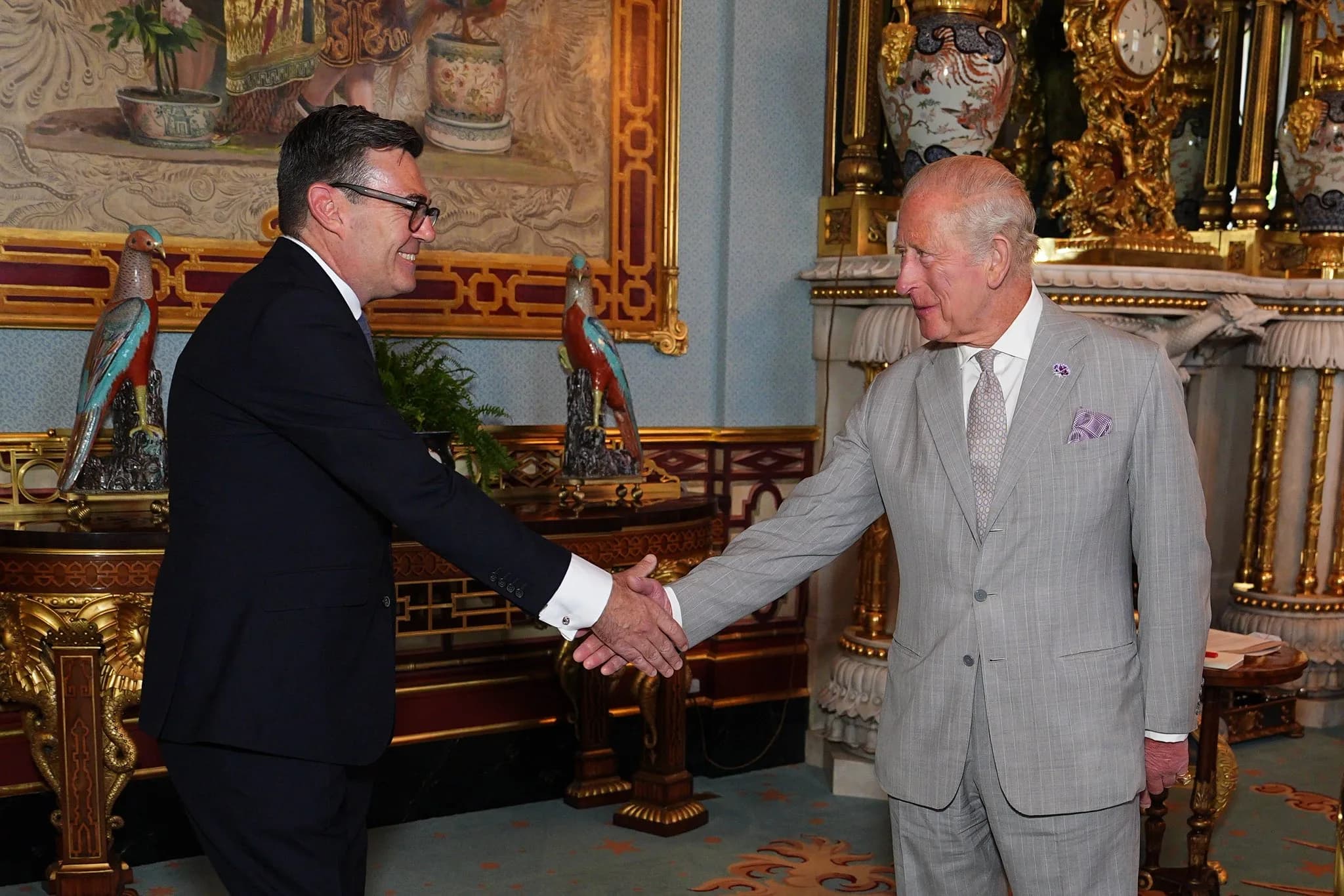
His Majesty received in Audience the Rt. Hon. Andrew Burnham MP and requested him to form a new Administration. The Rt. Hon Andrew Burnham MP accepted The King's offer and kissed hands upon his appointment as Prime Minister and First Lord of the Treasury. pic.twitter.com/QGXjt80Tbq
— The Royal Family (@RoyalFamily) July 20, 2026
What happens when a UK prime minister resigns?
The transition is also steeped in the ritual of Britain’s constitutional monarchy. Burnham does not formally become prime minister until the king asks him to form a government at Buckingham Palace, a moment still known as “kissing hands.”
The ceremony reflects the historic link between royal authority and the office of prime minister, even though real executive power now rests with the elected House of Commons.
Britain’s parliamentary system allows governing parties to replace their leaders mid-term without calling a general election, with the next nationwide vote not due until 2029 unless Burnham decides to call one earlier.
Old traditions, new beginnings
Downing Street’s handover day was also expected to include one of its most familiar residents. Larry the cat, the gray-and-white tabby, has lived at the prime minister’s residence since 2011 and outlasted six predecessors. Larry had already been seen outside the black door on Monday morning.
Photographer Justin Ng described Larry as “the most stable thing in British politics” and likened him to “the night watchman of Downing Street,” highlighting Larry as “the most stable thing in British politics” and likening him to “the night watchman of Downing Street,” a reminder that amid another leadership switch, some symbols at No. 10 remain unchanged.
Burnham’s arrival is being framed by labor as a chance to slow the rapid turnover at the top of British politics. His immediate agenda will be judged against the pressure points of the economy and public services.
Also Read | Peru earthquake: 5 dead, 32 injured after 5.1-magnitude quake
FAQs
Q1: Who is Andy Burnham?
Andy Burnham is the former mayor of Greater Manchester who has become the UK’s new prime minister after succeeding Keir Starmer as Labour leader.
Q2: Why did Andy Burnham become UK prime minister without a general election?
The UK’s parliamentary system allows the governing party to replace its leader, who then becomes prime minister without holding a general election.
