

















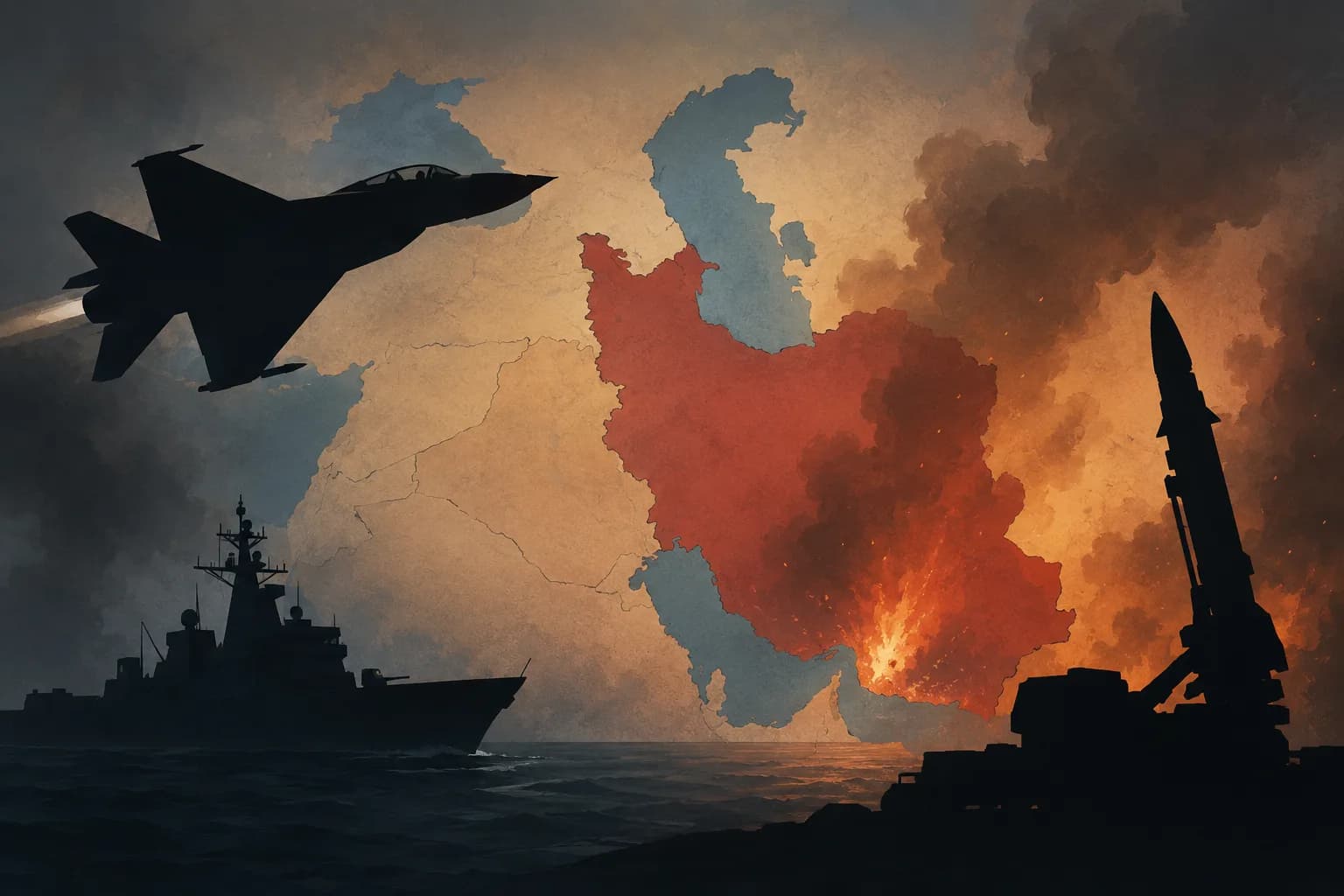









The military campaign against Iran could end up costing the United States more than $100 billion, according to estimates by US intelligence officials. The projected figure reflects the growing financial burden of an extended conflict, with the Pentagon facing mounting expenses from combat operations, logistics and the replacement of advanced military equipment.
The estimate points to the scale of resources being consumed as operations continue, raising concerns about the long-term cost of sustaining the campaign if fighting persists, per a report by News18.
High cost of combat operations
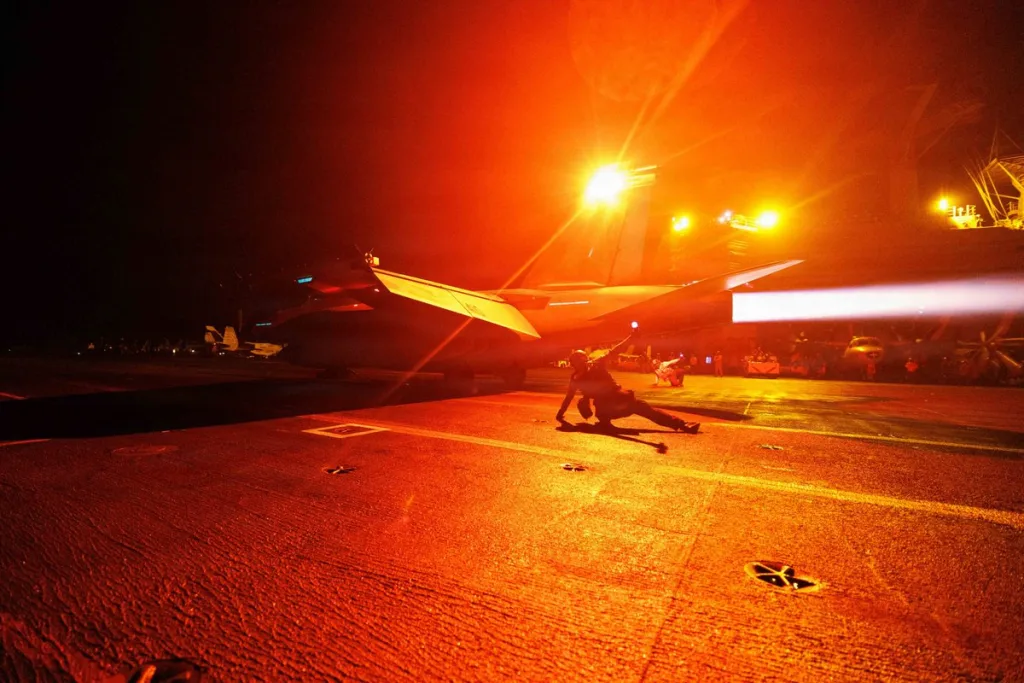
A major share of the projected spending comes from the heavy use of advanced weapons and the need to replenish military inventories. According to the assessment, the pace of operations has led to rapid consumption of precision-guided munitions and increased demand for replacement hardware.
Also Read | Buffett redirects billions, calls Gates’ Epstein ties ‘distasteful’ but refuses to cut ties
The report highlights three key areas driving costs
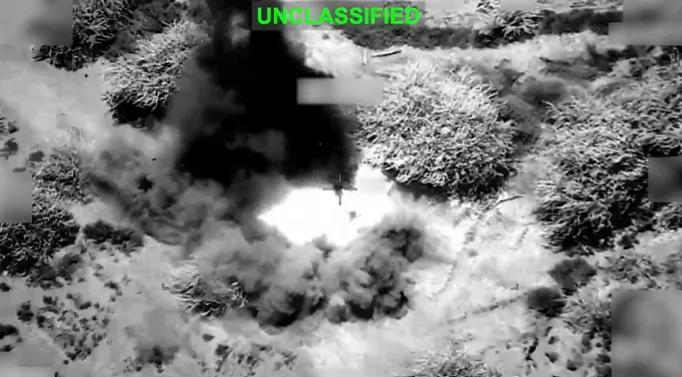
Precision munitions depletion: The rapid deployment of Tomahawk cruise missiles, Patriot interceptors, and carrier-based precision-guided bombs has outpaced production lines, forcing costly emergency manufacturing contracts.
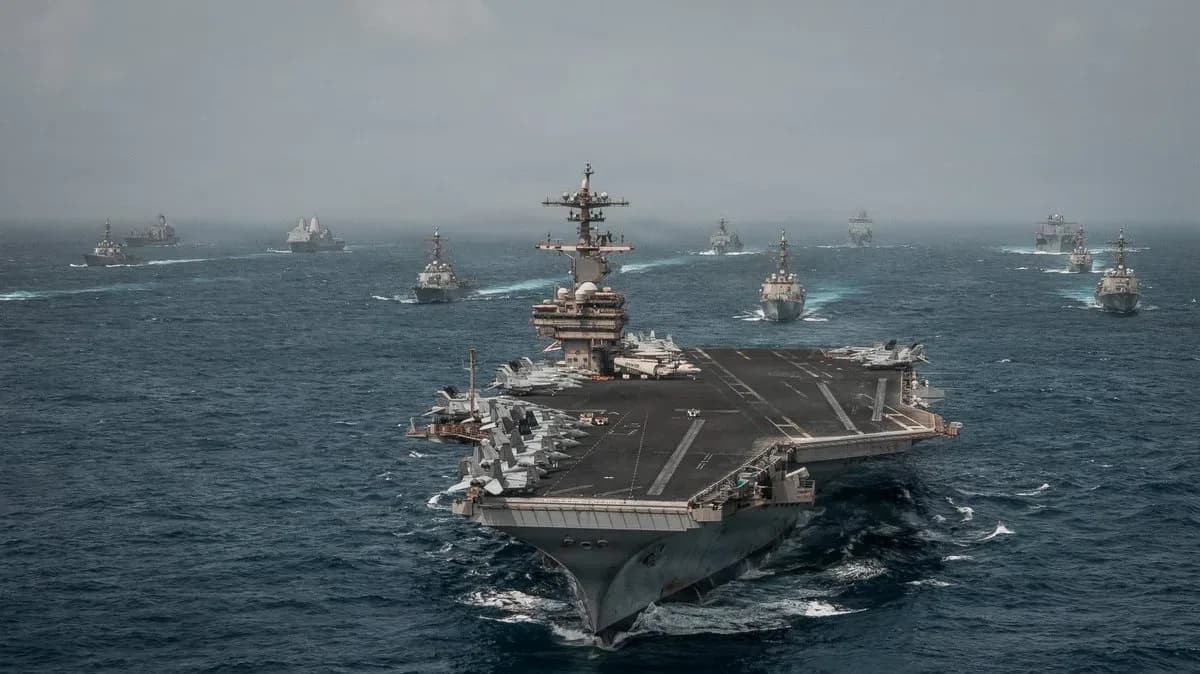
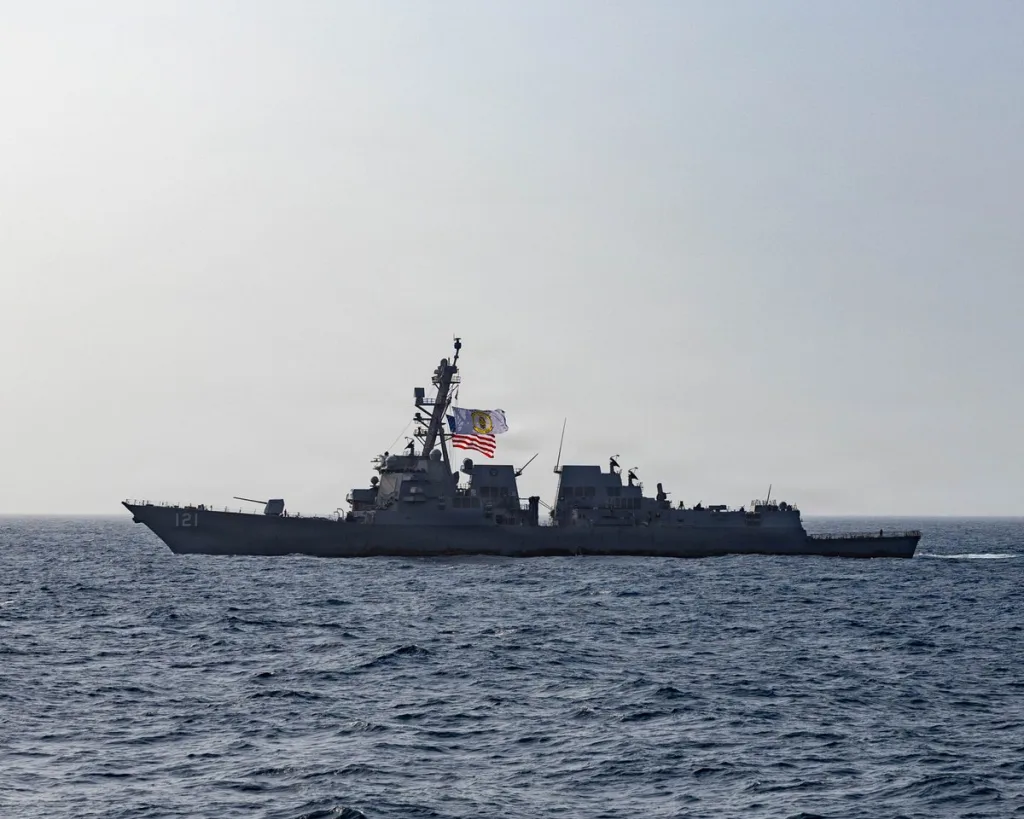
Naval fleet maintenance: Operating multi-carrier strike groups in highly contested waters has dramatically increased wear and tear, spiking emergency repair and fuel replenishment costs.
Logistical contingencies: Establishing secure, fortified supply lines across volatile regional corridors has multiplied transport and security outlays.
Costs extend beyond the battlefield
The financial impact is not limited to direct military operations. The Pentagon is also spending heavily to maintain security across the wider region.
A significant share of the projected budget is tied to safeguarding key maritime routes, particularly around the Strait of Hormuz, where naval escorts are being used to help keep commercial shipping moving. The US is also providing support to regional allies to strengthen their air defence systems against potential retaliatory attacks, expanding the overall cost of the conflict.
Pressure on government finances
The estimated price tag has also brought attention to the broader economic implications for Washington. According to the assessment, a military campaign of this scale could place additional pressure on federal finances as the government balances defence spending with other priorities.
Also Read | Trump rejects foul-play claims in Lindsey Graham death, questions preliminary medical findings
The report notes that prolonged operations may reduce emergency stockpiles while increasing the cost of replacing advanced military systems and electronic components, making the conflict an increasingly expensive undertaking for the Pentagon.
FAQs:
Why could the Iran war cost the US over $100 billion?
The estimate includes combat operations, weapons replenishment, logistics and regional security commitments.
What are the biggest expenses in the projected cost?
Advanced munitions, naval deployments, supply chains and support for regional allies are among the major cost drivers.
