















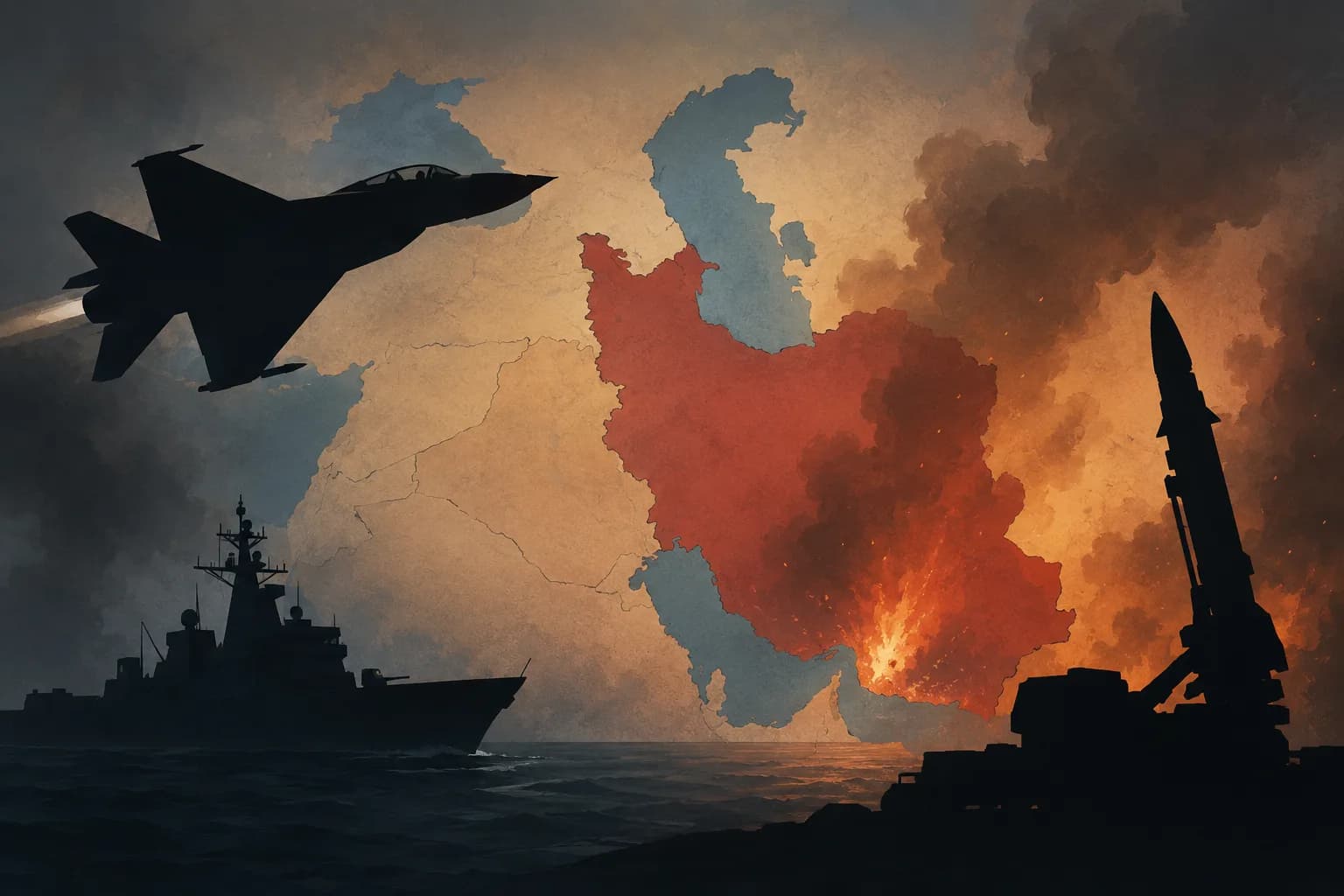









The United States has resumed its naval blockade of Iranian ports and coastal areas while carrying out another round of military strikes targeting Iran’s capabilities linked to attacks on commercial shipping in the Strait of Hormuz.
According to US Central Command (Centcom), the blockade was reinstated at 4 pm ET on Tuesday, shortly after fresh strikes began.
“US forces resumed the naval blockade against vessels transiting to and from Iranian ports and coastal areas today at 4 pm ET,” Centcom said in a post on X.
At 3 p.m. ET today, U.S. Central Command forces began launching an additional round of strikes against Iran to continue degrading Iranian capabilities used to attack commercial shipping in the Strait of Hormuz. The strikes are taking place as American forces prepare to resume the…
— U.S. Central Command (@CENTCOM) July 14, 2026
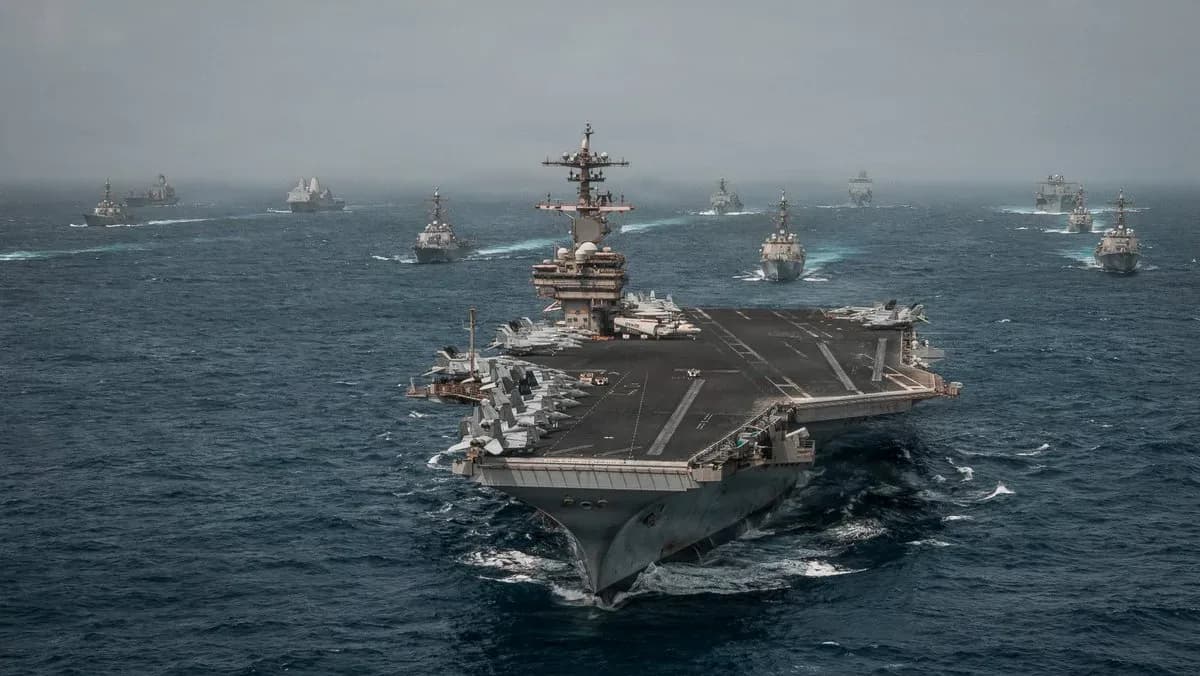
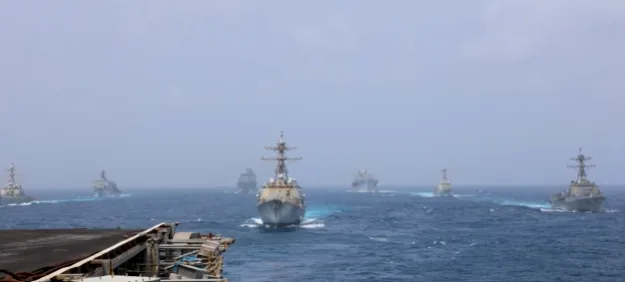
“There are currently more than 20 US Navy warships and hundreds of military aircraft operating across the Middle East. American forces remain vigilant, lethal, and ready,” it added.
Also Read | What is the Freedom 250 Grand Prix? Trump turns White House into racing venue
The latest operation marks the fourth consecutive day of US strikes against Iran, as tensions around the strategic waterway continue to threaten the interim ceasefire reached earlier this year.
Fresh strikes by US before blockade
Hours before the blockade came into effect, Centcom announced a new phase of attacks on Iranian military assets.
“At 3 pm ET today, US Central Command forces began launching an additional round of strikes against Iran to continue degrading Iranian capabilities used to attack commercial shipping in the Strait of Hormuz,” the command said.
The US military said the strikes were intended to weaken Iran’s ability to target commercial vessels operating through the waterway.
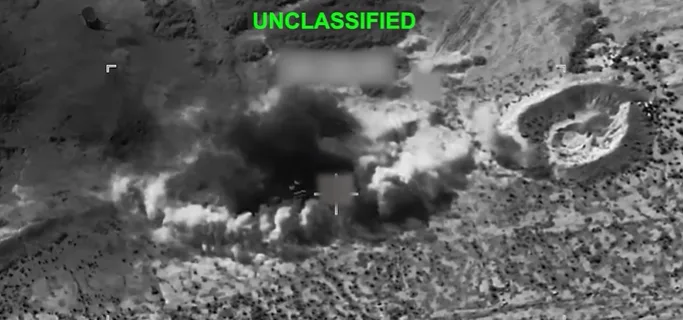
“These strikes will continue imposing a heavy cost on Iranian forces and degrade their ability to attack innocent civilians and commercial shipping in the Strait of Hormuz,” Centcom said earlier.
Iranian state media reported explosions in several parts of the country, including areas around Bandar Abbas, Sirik in Hormozgan province, Qeshm Island and the southwestern city of Ahvaz.
Why the Strait of Hormuz matters
The Strait of Hormuz remains one of the world’s most critical maritime routes. Before the conflict escalated, nearly one-fifth of global crude oil and natural gas shipments moved through the narrow passage connecting the Persian Gulf with the Gulf of Oman.
The US had lifted an earlier blockade in mid-June after an interim ceasefire aimed at creating space for negotiations over Iran’s nuclear programme. However, renewed strikes and counterstrikes have put that agreement under increasing pressure.
Trump backs renewed blockade
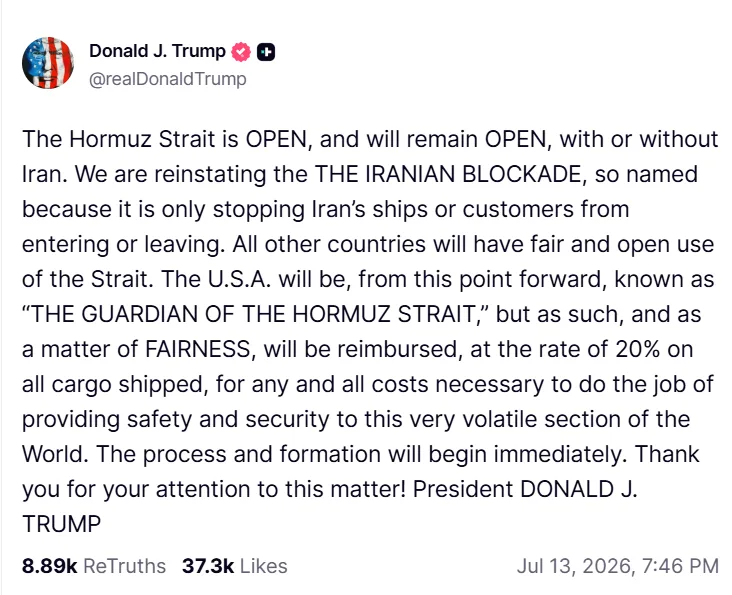
US President Donald Trump announced the decision to restore the blockade on Monday, saying Washington would act as the “guardian” of the Strait of Hormuz.
Also Read | Donald Trump to deliver national address on Thursday. Here’s what we know
He had earlier proposed a 20 per cent fee on commercial vessels using the route but later dropped the idea after discussions with Gulf allies.
“They said we’d love to do it a different way. We’d love to invest in the United States with billions and billions of dollars,” Trump told reporters.
Meanwhile, the US has expanded its military presence across the region, with Centcom saying more than 20 Navy warships and hundreds of military aircraft are now deployed.
Iran has maintained that Washington is attempting to limit its authority near its coastline. Iranian deputy foreign minister Kazem Gharibabadi said the US was trying to stop Tehran from exercising what he described as “effective sovereignty” over the Strait of Hormuz.
“The passage of vessels is not important to the US. The US is not dependent on the Strait of Hormuz,” Gharibabadi said in an interview with Iranian state broadcaster IRIB, according to AP.
FAQs:
Why has the US resumed the naval blockade of Iran?
The US says it aims to curb Iran’s ability to attack commercial shipping in the Strait of Hormuz.
Why is the Strait of Hormuz strategically important?
It is a vital global energy route through which nearly one-fifth of the world’s oil and gas shipments pass.
