
























A wave of unrest in Pakistan’s southwestern Balochistan province is once again exposing the fragility of China-backed investments there.
Pakistan on Wednesday moved to tighten security around a Chinese-run copper and gold mine after insurgent violence disrupted supply routes, while a viral declaration by Baloch nationalist figures claimed independence from Pakistan and added to the political instability surrounding the province.
The situation is dragging Pakistan’s most important strategic relationship down with it.
Also Read | Trump airport rename sparks backlash; United Airlines offers passengers an alternative
The Republic of Balochistan Invites the United Nations and the International Community to Visit Balochistan to Witness Pakistan's War Crimes and Support Baloch's Economic Vision
— Page3NewsThai (@page3newsthai) July 17, 2026
17 July, 2026
The Republic of Balochistan extends a special invitation to representatives of the… pic.twitter.com/WlJR6p8x4t
A most uneasy assurance
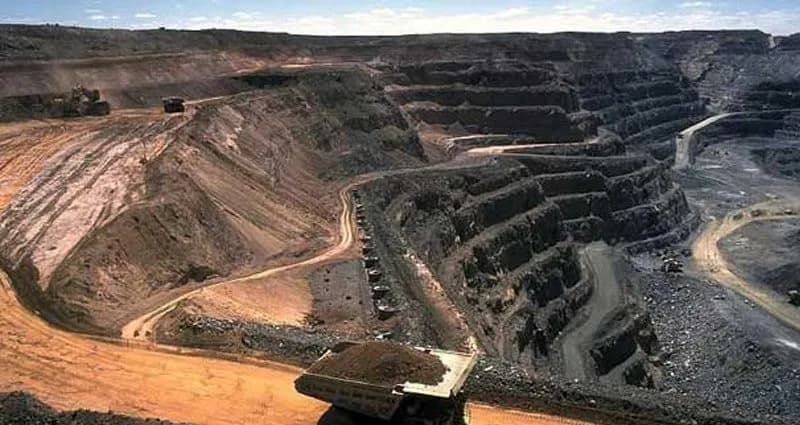
Pakistan said it was stepping up protection around the Saindak mine in Balochistan after the operator raised concerns about supply disruptions.
Saindak Metals Limited managing director Raziq Sanjrani rejected a report that the project could be forced to shut down, calling it “factually incorrect” and saying, “There is no possibility of its shutdown.”
He said the mine had run without interruption for 25 years.
JUST IN: 🇨🇳🇵🇰 Chinese companies have reportedly warned they may halt projects in Pakistan's Balochistan province amid persistent security and insurgency concerns.
— Asia Nexus (@nexusasian) July 16, 2026
The issue was raised with Pakistan's Foreign Ministry following a Financial Times report highlighting growing… pic.twitter.com/j5gVHO0XYs
Where every convoy counts
However, this concern extends beyond a single mine. Saindak’s management had asked authorities for help moving furnace oil to the site after some transporters refused certain routes through Balochistan, prompting security agencies to assure uninterrupted supply.
Pakistan’s state minister for interior, Talal Chaudhry, said the government had been alerted in early July and ordered agencies to increase deployment around “installations, personnel, logistics, and transportation.”
He added, “It is our priority to safeguard all projects run by international companies in Pakistan.”
A province of larger prizes
Balochistan matters far beyond Saindak. The province borders Iran and Afghanistan and hosts several major Chinese-backed projects, including the deep-water port of Gwadar.
Unrest in the region has clouded the outlook for Barrick Mining’s $9 billion Reko Diq copper and gold project, which lies about 50 kilometers from Saindak.
The mine in question is operated by the state-owned Metallurgical Corporation of China under a lease extended in 2022 and exports most of its output to China.
History refuses to retire
The geopolitical stakes are high because Baloch separatists have sought an independent state for decades, arguing that Pakistan and its foreign partners have failed to share the province’s natural wealth with local communities.
The managing director of Saindak had warned Pakistan’s energy ministry that operations could become unsustainable within a month if deteriorating security conditions continued to disrupt supply routes.
Pakistan’s mine operator rejected that assessment. China’s foreign ministry has said that Beijing would work with Islamabad to protect Chinese citizens, projects, and institutions in the country.
No easy passage from here
For Pakistan, the immediate challenge is to contain the violence without further unsettling foreign investors already wary of Balochistan’s security environment.
For China, the episode underscores the risks attached to a province that sits at the center of its Pakistan strategy and remains vulnerable to insurgent attacks, transport disruption, and political uncertainty.
Also Read | Lipfendra FDA approval: New daily cholesterol pill explained
FAQs
Q1: Why is Balochistan important to China’s CPEC project?
Balochistan hosts key China-backed infrastructure, including Gwadar Port and mining projects, making it central to the China-Pakistan Economic Corridor (CPEC).
Q2: How does unrest in Balochistan affect Chinese investments?
Persistent insurgent violence and security concerns can disrupt transport, delay projects and increase risks for Chinese investments in the province.
