
















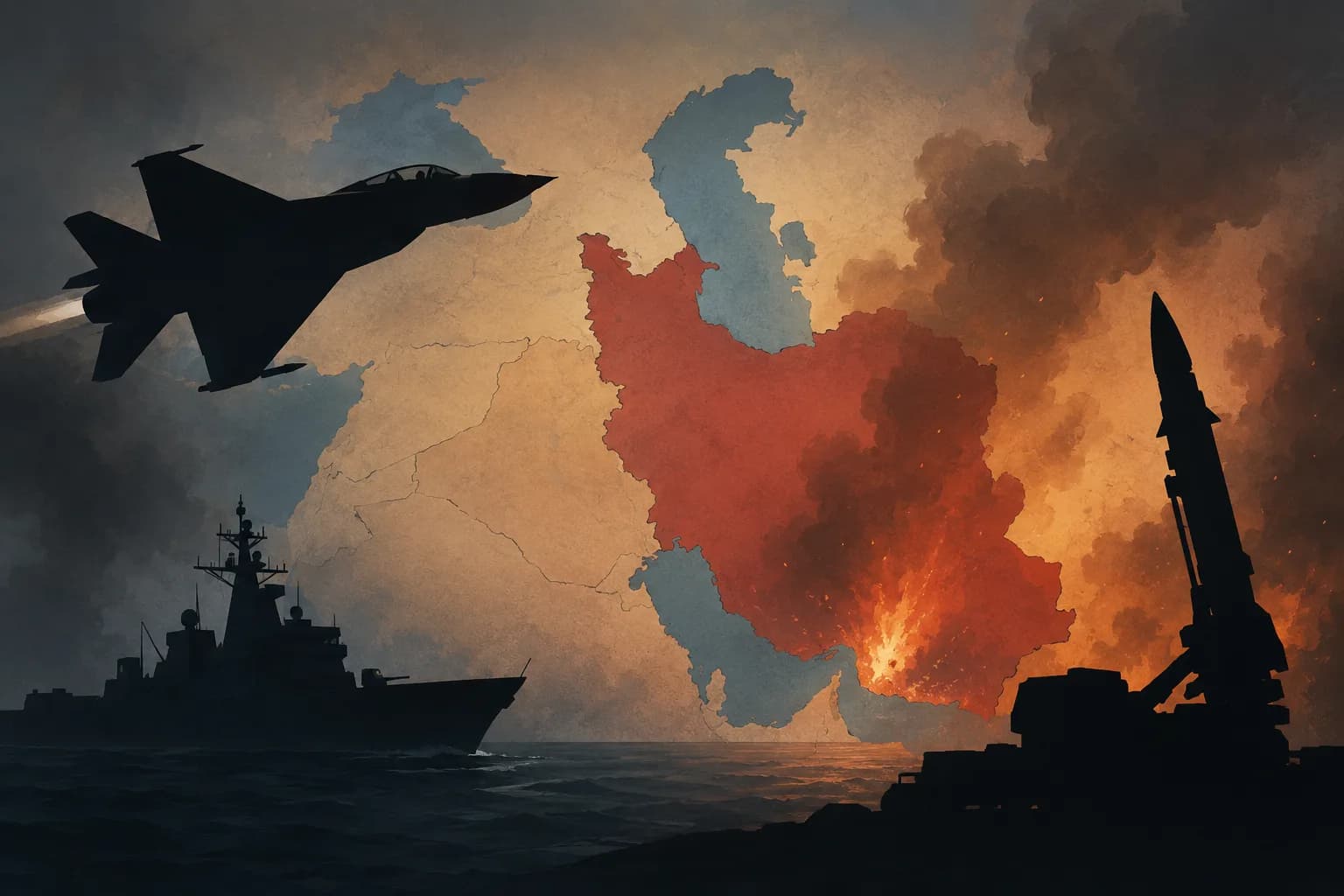











Yemen’s Iran-aligned Houthis declared a naval blockade on Saudi Arabia on Monday, saying the decision took effect immediately and warning of escalation in a conflict that has already shaken regional security and energy markets.
The group described the move as a “maritime embargo” against the “criminal Saudi enemy.”
The announcement came days after the Houthis threatened a “siege” in response to an attack on Sanaa International Airport last week. Saudi Arabia had not issued an immediate response.
Also Read | Iran challenges US over Kharg Island after Trump’s ground war comments
JUST IN:
— Current Report (@Currentreport1) July 20, 2026
Yemen's Ansarullah has started enforcing a naval blockade on all Saudi ports in the Red Sea.
Ansarullah has deployed anti-ship missiles, increased military activity along the Saudi border, and stepped up naval operations in the Red Sea as part of the blockade. pic.twitter.com/0dbfzt3fQP
A familiar feud takes a sharper edge
The declaration marks a sharper turn in a long-running war between the Houthis and the Saudi-led coalition that has backed Yemen’s internationally recognized government since 2015.
The announcement also comes as the United States and Iran continue to exchange fire in their escalating standoff over the Strait of Hormuz, a separate flashpoint that has rattled global energy markets.
The Houthi move threatens to escalate tensions in the region and could disrupt global energy supply and trade beyond the Gulf.
❗️Yemen's Houthis declare naval blockade against Saudi Arabia
— RTBreaking (@RT_Breaking) July 20, 2026
'Any Saudi foolishness will be met with a SEVERE and comprehensive escalation'
Move could threaten Saudi oil shipments transiting the Red Sea and Bab el-Mandeb pic.twitter.com/2GvlzCtygn
The grievances come plainly dressed
The Houthis also linked their decision to the Saudi-led restrictions they say amount to a “blockade” on Yemen, accusing Saudi leaders of “an unjust and oppressive siege” and saying the kingdom had spent years “plundering our resources” and restricting ports and airports by land, sea, and air.
The group’s statement invoked “an eye for an eye.” The Houthis repeated that phrase in declaring the move “effective immediately.”
The sea keeps its counsel for now
The biggest immediate concern is whether the declaration will translate into action at sea.
It was not yet clear whether the Houthis would begin targeting vessels headed for Saudi ports. The announcement alone could unsettle shipping and create uncertainty for Saudi terminals.
The Bab al-Mandeb Strait, the southern gateway to the Red Sea, is one of the world’s most important oil shipping routes. In 2024 about 4.1 billion barrels of crude and refined products passed through it, while total petroleum volumes through the strait reached 7.4 million barrels per day in June, about 7% of global oil output.
Saudi Arabia’s East-West pipeline, or Petroline, pumps about seven million barrels a day and remains a key export route via the Red Sea port of Yanbu.
The final act is yet unwritten
The Houthis fired missiles at Saudi Arabia last week after accusing the kingdom of bombing an airport under their control, an attack that pierced a four-year truce in the conflict.
The group has previously disrupted global commerce through attacks on shipping near the Bab al-Mandeb Strait. Those attacks eased after a Gaza ceasefire announcement last October.
For now, the latest declaration leaves one of the region’s most sensitive waterways under fresh pressure, with the next move likely to determine whether the dispute remains rhetorical or becomes operational.
Also Read | Hamas has a new chief, but who is Khalil al-Hayya?
FAQs
Q1: Why did Yemen’s Houthis declare a naval blockade against Saudi Arabia?
The Houthis said the blockade was a response to what they described as Saudi Arabia’s long-standing siege of Yemen and recent military actions.
Q2: How could the Houthi naval blockade affect global oil shipments?
Any disruption near the Bab al-Mandeb Strait could affect shipping routes used for global oil and trade, potentially increasing market uncertainty.
