














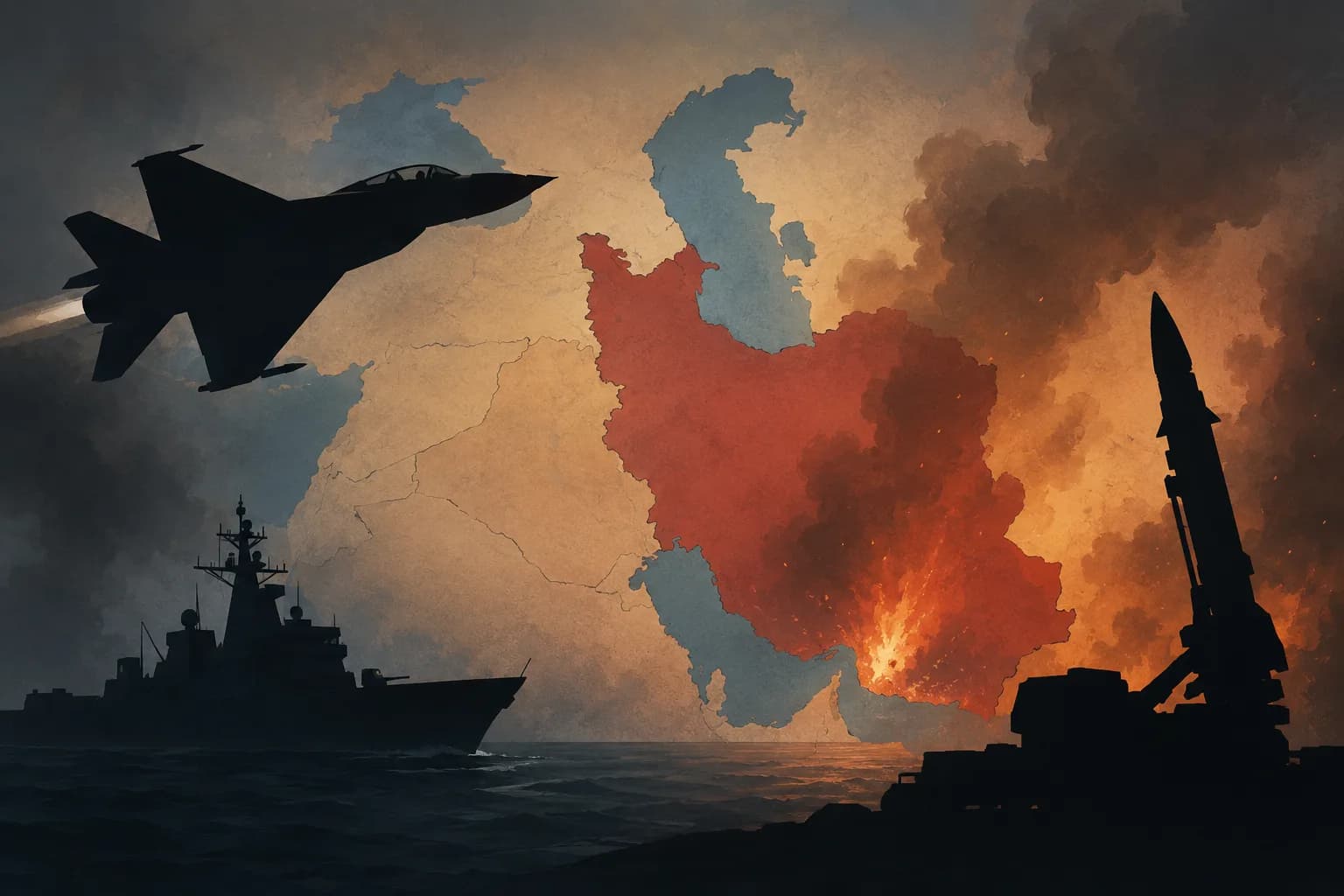










Air raid sirens echoed across Bahrain on Sunday as tensions in the Gulf escalated following another round of US strikes on southern Iran. Bahrain’s interior ministry urged residents to remain cautious, asking them to avoid using or obstructing main roads unless necessary. Authorities said additional safety instructions would be issued as the regional security situation continued to evolve.
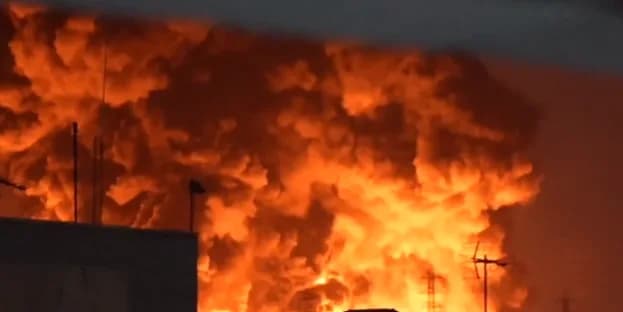
At the same time, Iranian officials reported casualties after a US projectile struck an agricultural water pumping station in Mahshahr, located in Khuzestan province.
🚨 BIG: 🇺🇸 U.S. AIRSTRIKES HIT SOUTHERN IRAN AGAIN
— Scorpion Intel (@scorpion_intel) July 13, 2026
American airstrikes have reportedly targeted Bandar Abbas, Qeshm, Sirik, and several other southern coastal sites in Iran. 🇮🇷 pic.twitter.com/SXCak4l0wv
One killed, four injured in Mahshahr
According to Iran’s state news agency IRNA, the strike killed a security guard stationed at the facility and left four others injured. Khuzestan Deputy Governor for Security and Law Enforcement Valiollah Hayati said emergency and medical teams were treating those wounded.
The reported attack came as the United States carried out another wave of missile strikes targeting locations in southern Iran. Iranian state media reported explosions in Bandar Abbas, Sirik and Jask, along with Qeshm Island, indicating that military activity had spread across several strategic coastal areas.
تم إطلاق صافرة الإنذار ، نرجو من المواطنين والمقيمين الهدوء والتوجه لأقرب مكان آمن ومتابعة الأخبار عبر القنوات الرسمية.
— Ministry of Interior (@moi_bahrain) July 13, 2026
Military exchanges continue
The latest developments followed a day of intense exchanges between Washington and Tehran. The US military said it struck at least 140 targets across Iran. In response, Tehran launched attacks targeting US military bases and facilities in Bahrain, Kuwait, Oman, Qatar and Jordan.
Several countries in the region also reported the impact of the escalating conflict. Kuwait said Iranian strikes hit border posts and an oil rig, while Qatar reported injuries caused by intercepted projectiles. Oman, Jordan and the United Arab Emirates also said they detected incoming fire over the weekend.
The renewed hostilities also rattled energy markets, with Brent crude prices climbing as investors reacted to the growing uncertainty in the region.
At 5 p.m. ET today, U.S. Central Command forces began launching more strikes against Iran to continue degrading their ability to attack civilian mariners and commercial ships freely transiting the Strait of Hormuz. The Commander in Chief has directed the strikes to hold Iranian…
— U.S. Central Command (@CENTCOM) July 12, 2026
Strait of Hormuz remains in focus
Attention continues to remain fixed on the Strait of Hormuz, a vital global oil shipping route that has become a key flashpoint in the conflict.
US President Donald Trump has insisted that the waterway remains “open”. Iran, however, maintains that maritime traffic will not be permitted until “stability and calm are restored”, according to the country’s Persian Gulf Strait Authority.
With fresh strikes, regional alerts and concerns over global energy supplies mounting, the security situation across the Gulf remains highly volatile.
FAQs:
Why were air raid sirens activated in Bahrain?
Bahrain sounded sirens after fresh US strikes on Iran as regional security risks increased.
Why did Brent crude prices rise?
Oil prices climbed amid concerns that the escalating conflict could disrupt supplies through the Strait of Hormuz.
