



























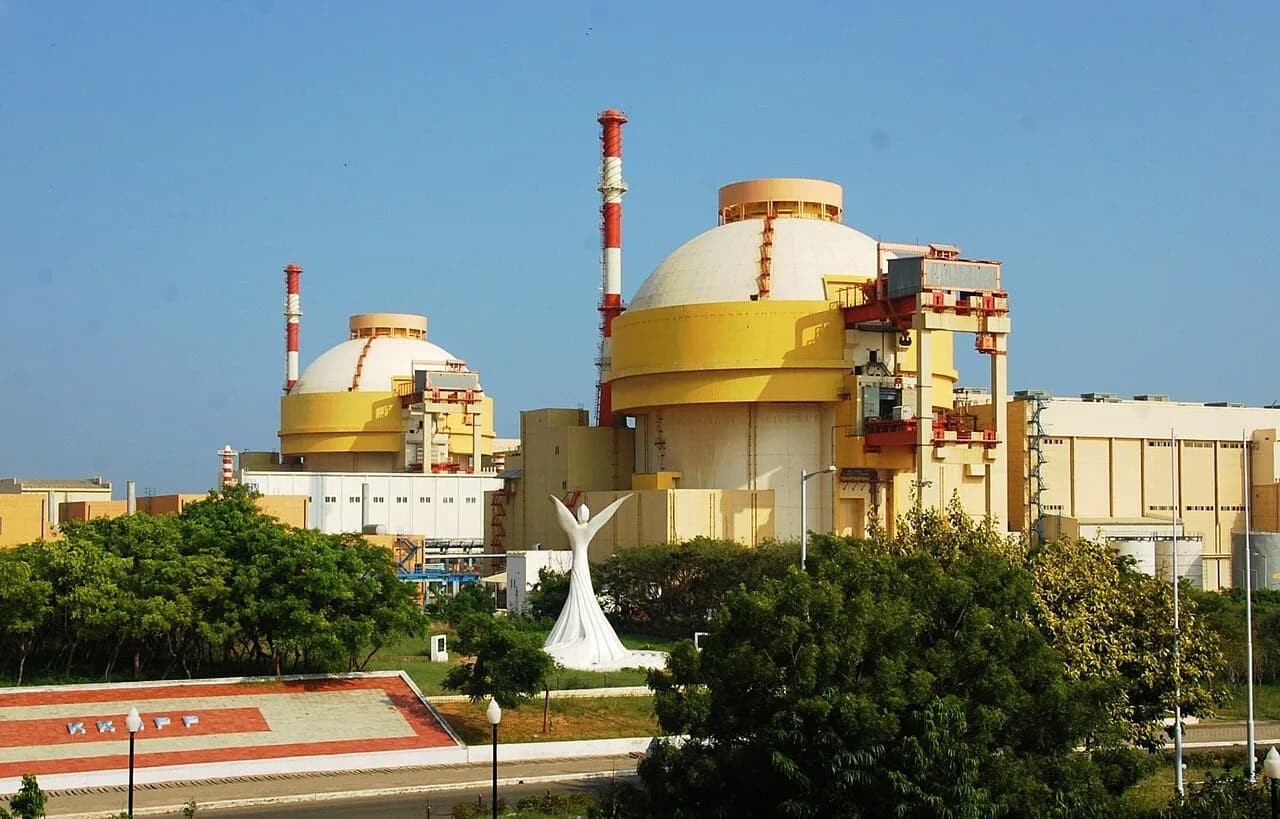
Files related to the Kudankulam Nuclear Power Plant in Tamil Nadu have been exposed in a data breach that has raised security concerns after files purportedly linked to the project were posted online.
The leaked material was posted on the dark web by the ransomware group World Leaks and included purported blueprints of parts of the plant, supplier details and other internal documents labelled as coming from Reliance Group, one of the contractors involved in the project.
The plant is central to India’s plans to expand atomic energy capacity and is the largest of the country’s seven nuclear plants.
⚡ 🚨 BREAKING: Files tied to India's largest nuclear power plant Kudankulam have surfaced on the dark web — including purported blueprints of its ventilation systems and a control room floor layout….
— Aditya Kalra (@adityakalra) July 15, 2026
What's in the data leak? Nearly 19,000 files tied to Kudankulam are part of…
Also Read | Puri tightens safety net ahead of Jagannath Rath Yatra 2026
The contractor finds itself in rather hot water
Indian businessman Anil Ambani’s Reliance Group confirmed there had been a “partial breach” of its data on a server hosted by third-party data centre provider Yotta and said the government had been informed.
Reliance did not disclose what data had been breached. Yotta had detected suspicious activity on May 29 on a server belonging to Reliance Infrastructure, said the activity was immediately terminated, and said suspected ransomware execution was prevented.
Later, Reliance informed Yotta at the end of June that there had been claims of a breach made by “external threat actors”. Yotta said it has not been able to verify those claims but had shared its technical findings with Reliance and was supporting an ongoing investigation.
🚨 THOUSANDS OF FILES LINKED TO INDIA'S LARGEST NUCLEAR POWER PLANT LEAKED ONTO THE DARK WEB.
— Jim Ferguson (@JimFergusonUK) July 15, 2026
Nearly 19,000 files linked to India's Kudankulam Nuclear Power Plant have reportedly surfaced on the dark web following a ransomware attack targeting infrastructure giant Reliance… pic.twitter.com/EBse2PL7ci
A mountain of files invites scrutiny
Nearly 19,000 files, totalling 14.3 gigabytes, appeared online since June 11 under the search term “KKNP”, an acronym for the plant, according to independent cybersecurity researcher Rakesh Krishnan, who first alerted Reuters to the leak.
The outlet reviewed the documents, which were dated from 2016 to mid-2025, but could not verify their authenticity. Reuters said the files appeared to include meeting and inspection records, equipment reviews and insurance policies, in addition to blueprints and supplier information.
Nickolas Roth, senior director at the Nuclear Threat Initiative, said the breach could pose a “serious” risk to the plant’s safety and could help an adversary understand who has access to the project and which systems that access reaches.
What do the leaked Kudankulam files actually reveal?
The Nuclear Power Corporation of India, which operates the country’s nuclear plants, has been communicating with Reliance about the breach, while the Indian Computer Emergency Response Team, or CERT-In, is looking into the incident.
The Department of Atomic Energy declined to comment, and PM Modi’s office did not respond to queries.
The leaked documents do not appear to relate to the reactor core systems supplied by Russia’s state-owned Rosatom, but they do appear to include layouts and technical details for ventilation and cooling systems in Units 3 and 4, which are still under construction.
This is the second time Kudankulam has been linked to a cyber incident, after malware tied to a North Korean hacker group was found on its administrative network in 2019.
Also Read | ‘Every sailor will be accounted for’: Sonowal announces Seafarer-First safety plan
FAQs
Q1: What was leaked in the Kudankulam Nuclear Power Plant data breach?
According to Reuters, the leaked files purportedly included blueprints, supplier information, inspection records and other documents linked to the Kudankulam Nuclear Power Plant project.
Q2: Has the authenticity of the leaked Kudankulam files been verified?
No, Reuters reported that it reviewed the files but could not independently verify their authenticity.
