























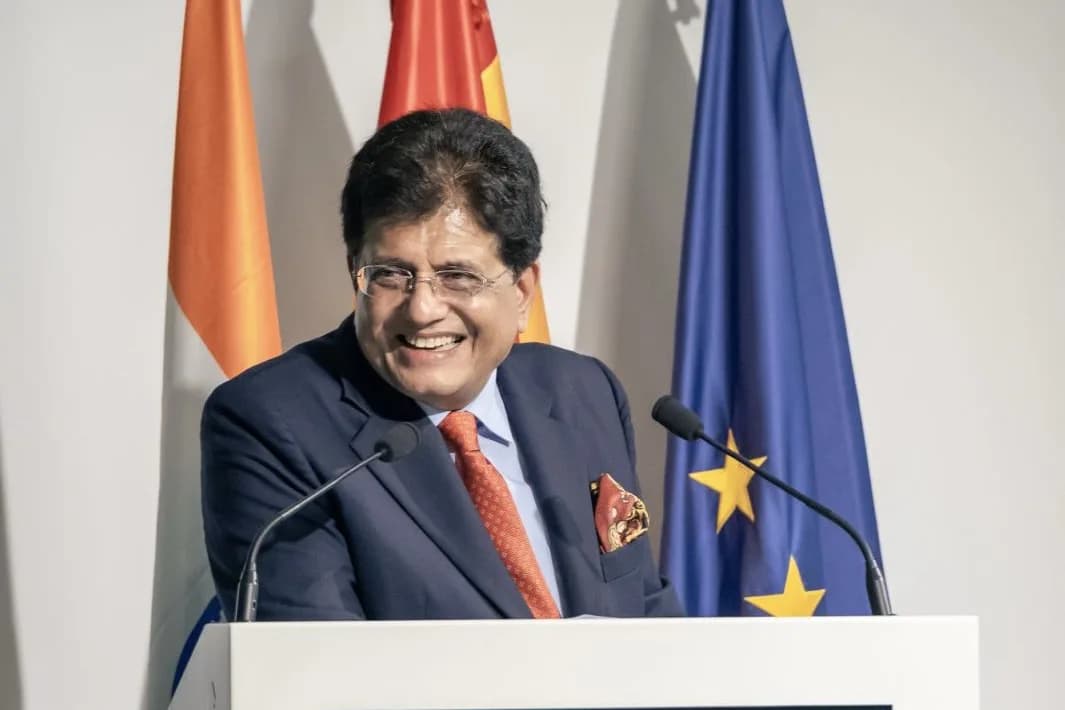
India has made it clear that the proposed India-US trade deal remains on course despite growing uncertainty over a sanctions bill in the United States that could target countries importing Russian oil. Commerce and Industry Minister Piyush Goyal said the first phase of the bilateral agreement has already been finalised and will be implemented once Washington ensures India receives a competitive advantage over other trading partners. His remarks come as the US Senate advances legislation that could authorise President Donald Trump to impose steep tariffs on nations continuing to purchase Russian energy.
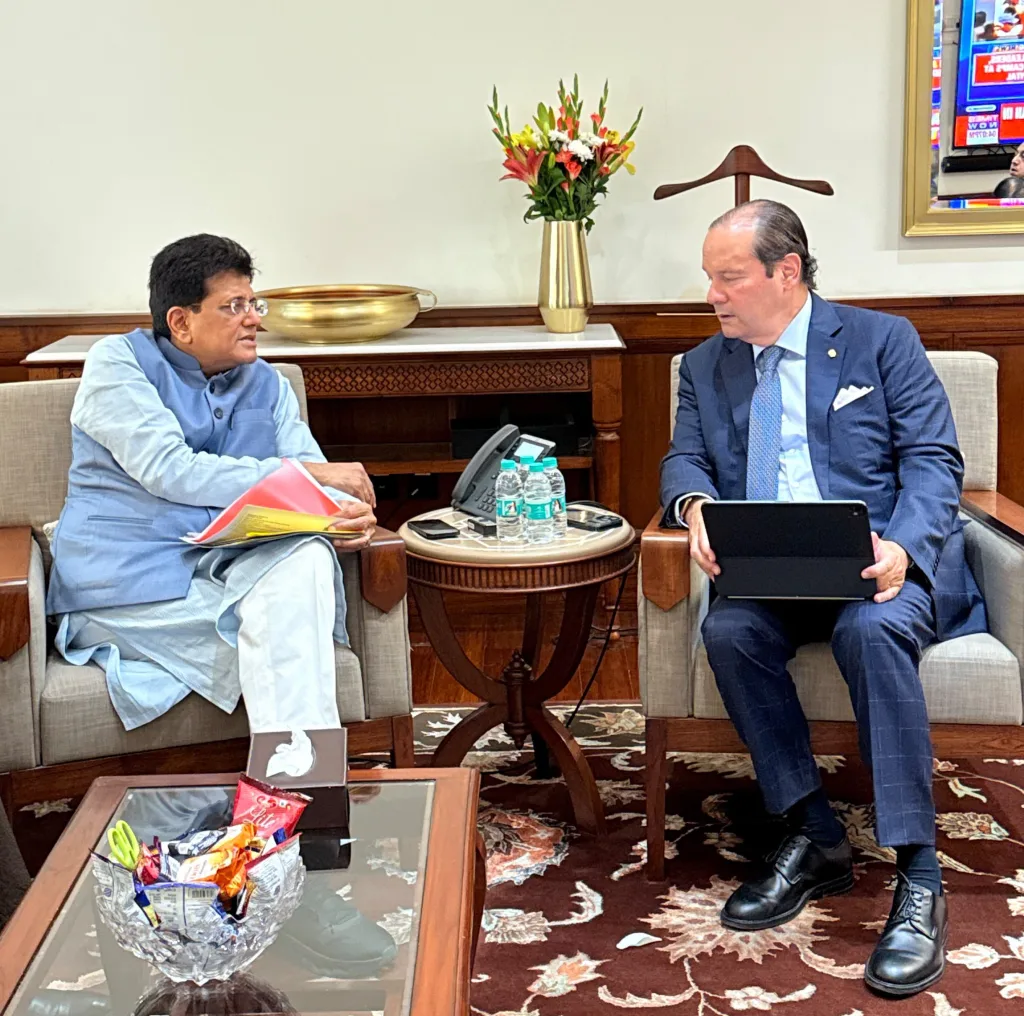
India-US trade deal awaits competitive market access
Speaking about the proposed India-US trade deal, Piyush Goyal said the first tranche of the Bilateral Trade Agreement is complete from India’s side. He noted that the agreement will become operational after the United States creates a level playing field by offering India better market access than competing economies in the ASEAN region and neighbouring countries.
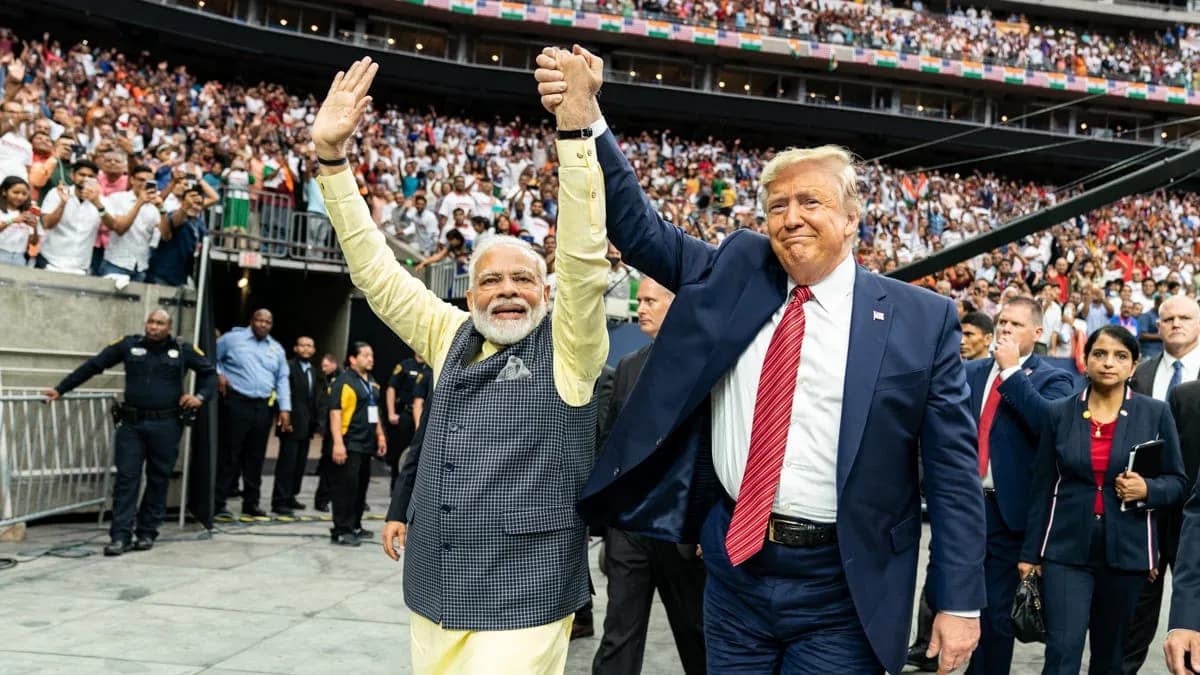
According to the minister, the framework announced by Prime Minister Narendra Modi and US President Donald Trump earlier this year remains intact. He expressed confidence that once these conditions are fulfilled, the India-US trade deal will help expand Indian exports and strengthen economic ties between the two countries.
Also Read | PoK unrest: India rebukes NYT over ‘Pakistani Kashmir’ wording
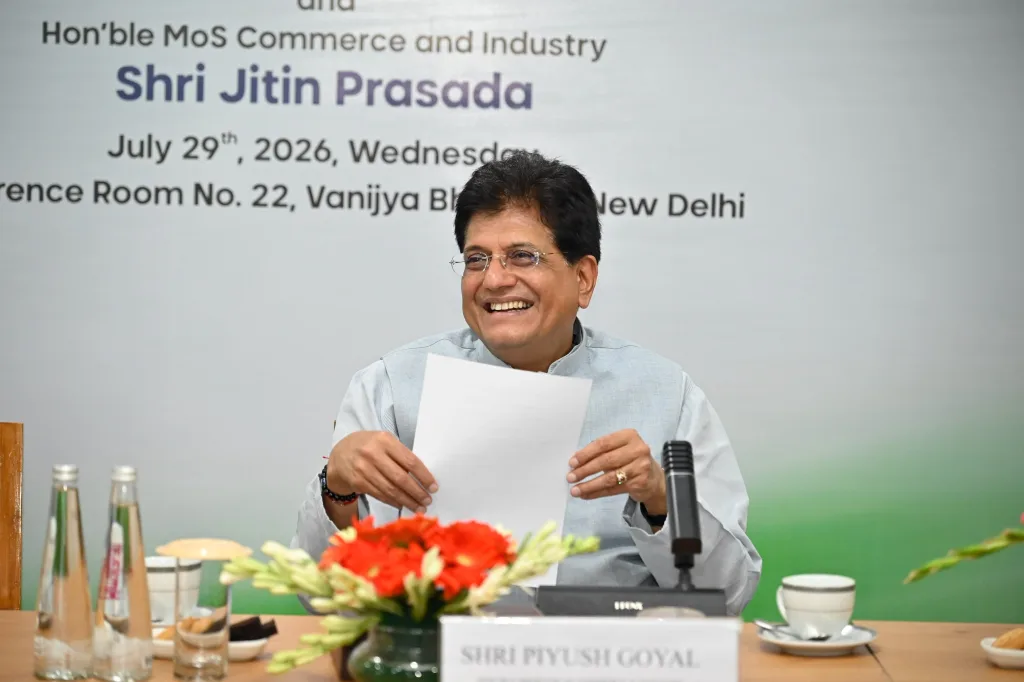
Russia sanctions bill raises fresh trade questions
Concerns surrounding the India-US trade deal have intensified after the US Senate moved forward with a bipartisan sanctions bill aimed at restricting Russia’s energy revenues. The proposed legislation would allow the US President to impose tariffs of up to 100 per cent on imports from countries purchasing Russian oil and gas.
The bill has only crossed its initial procedural stage and still requires approval from both chambers of Congress before becoming law. It also proposes sanctions against Russian officials, financial institutions and shipping networks involved in transporting Russian crude.
Supporters argue the legislation is intended to weaken Russia’s ability to finance its war in Ukraine by reducing its energy earnings.
Also Read | What changed? Why the Supreme Court cleared Manmohan Singh 11 years after Coalgate summons
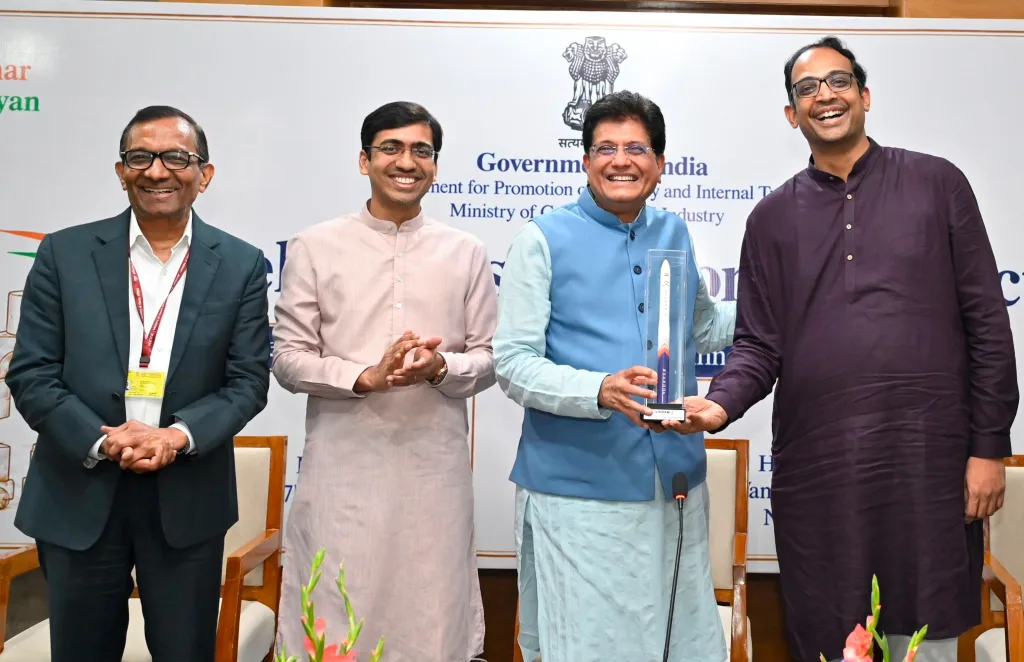
India-US trade deal faces no immediate disruption
India has significantly increased purchases of discounted Russian crude since the Ukraine conflict began, making it one of Moscow’s largest energy customers. This has led to speculation over whether the proposed sanctions could affect the India-US trade deal.
However, no new tariffs have been imposed at this stage. The proposed law merely grants the US President the authority to act if it is eventually enacted. Officials have also clarified that existing trade arrangements remain unchanged.
With negotiations continuing, the India-US trade deal remains a priority for both governments. India has maintained that it will pursue its national energy security while simultaneously expanding strategic and economic cooperation with Washington. The coming months are expected to determine whether the proposed sanctions and the India-US trade deal can move forward without affecting bilateral trade momentum.
