






















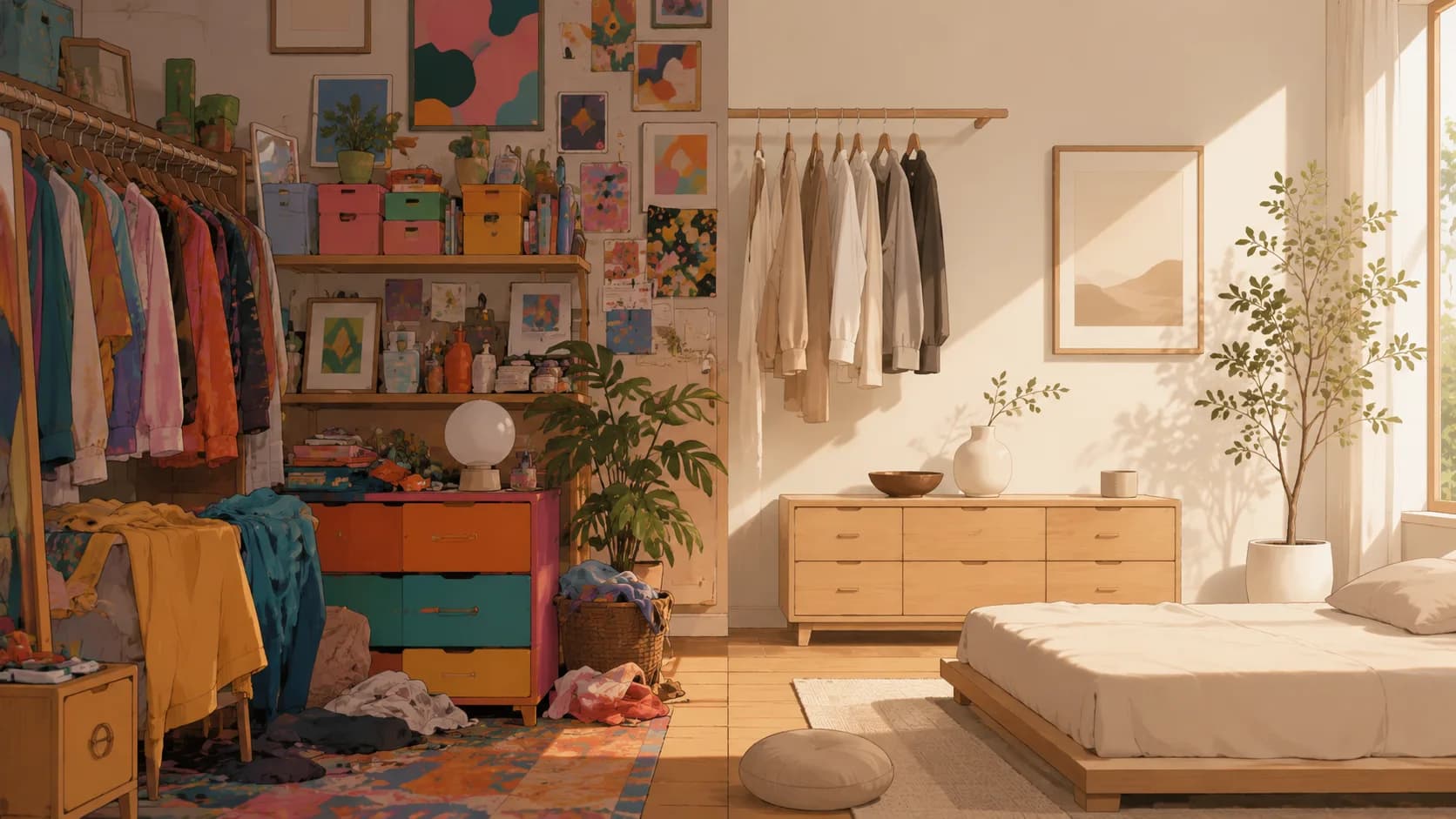
Minimalism appears to be making a strong comeback, replacing the bold colours, busy interiors and highly curated lifestyles that have dominated social media in recent years. From neutral wardrobes to clutter-free homes, many people are leaning towards a simpler way of living: a shift now being described as the ‘Vanilla Era’ theory.
The trend goes beyond aesthetics and reflects changing attitudes towards fashion, home design and everyday life. Instead of constantly chasing new looks or trends, many are opting for restraint, simplicity and comfort.
What is the ‘Vanilla Era’ theory?
The Vanilla Era refers to a growing cultural and lifestyle movement where people are moving away from loud, heavily curated aesthetics in favour of minimalism and neutral colour palettes.
Also Read | Fricy food trend: Why sweet and spicy fruits are viral
The trend is believed to be fuelled by several factors, including aesthetic fatigue, the rise of the “quiet luxury” movement, decision fatigue and the constant stimulation created by social media. Rather than standing out, the focus is shifting towards creating spaces and routines that feel calmer and easier to maintain.
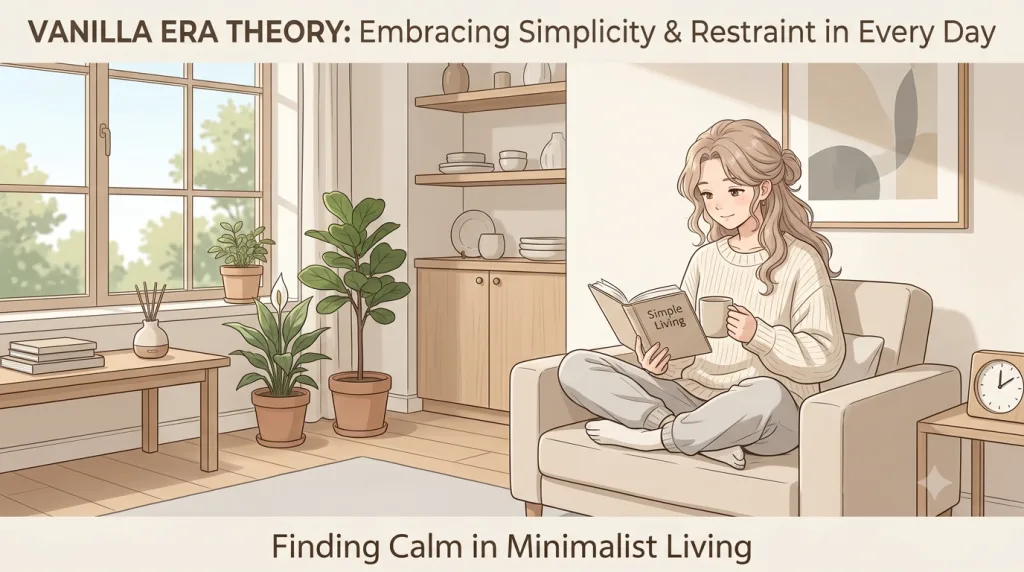
Why is the trend gaining popularity?
Counselling psychologist Athul Raj believes the appeal of the Vanilla Era is rooted in how people are feeling emotionally rather than what they are choosing to wear or decorate.
Speaking to The Indian Express, Raj said, “The popularity of the Vanilla Era says more about how people are feeling than about what they are buying. Increasingly, people describe feeling mentally tired rather than physically exhausted.
They are navigating constant notifications, endless choices and an uninterrupted stream of information. It is not surprising that quieter spaces and simpler routines feel comforting. The attraction is not really the colour palette or the decor. It is the hope that life itself might feel a little less overwhelming.”
However, he also pointed out that social media can sometimes reshape genuine emotional needs into visual trends.
“Wanting a quieter life is genuine. Feeling the need to make that quiet life look a certain way is where social media often steps in. Simplicity can support mental health, but it loses its purpose when it becomes another benchmark people feel they have to meet,” Raj told The Indian Express.
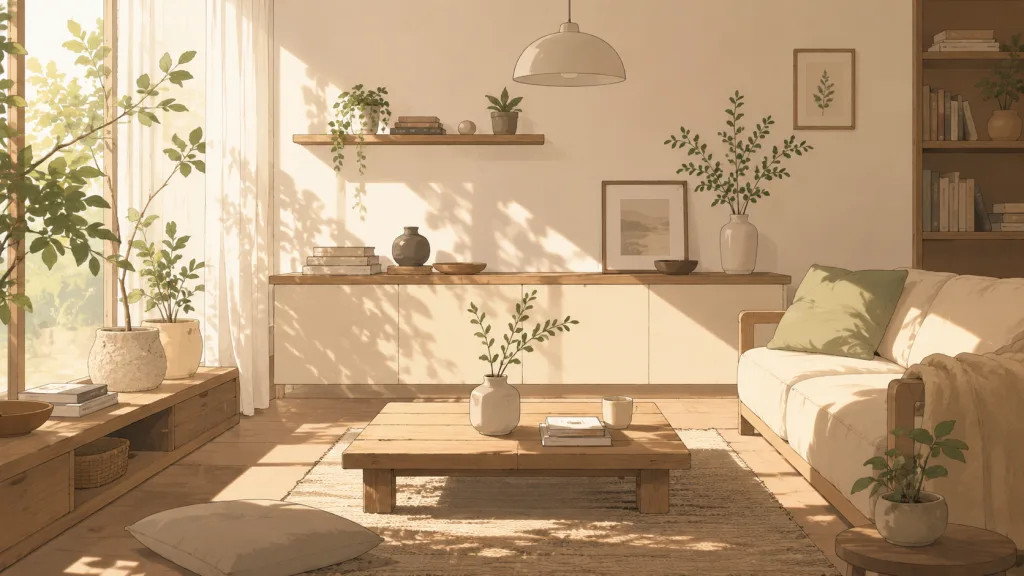
Can minimalism really improve wellbeing?
Organised surroundings and fewer daily choices can reduce distractions and make routines feel more manageable, particularly during stressful periods. A cleaner environment may also create a stronger sense of control.
Also Read | What is a placeholder partner? The dating trend explained
Even so, Raj cautioned against treating minimalism as a solution to deeper emotional challenges.
“At the same time, we should not confuse an aesthetic with emotional health. A calm-looking home cannot compensate for chronic stress, emotional struggles or a lack of support. Simplicity is helpful when it reflects personal needs and makes everyday life easier. It loses its value when it becomes another standard people feel pressured to achieve. Real wellbeing comes from living in a way that feels sustainable, not just visually appealing,” he concluded.
FAQs:
What is the ‘Vanilla Era’ theory?
It describes a shift towards minimalism, neutral aesthetics and simpler lifestyles over bold, highly curated trends.
Why is the ‘Vanilla Era’ becoming popular?
Experts say factors such as aesthetic burnout, decision fatigue and social media overstimulation are driving the trend.