







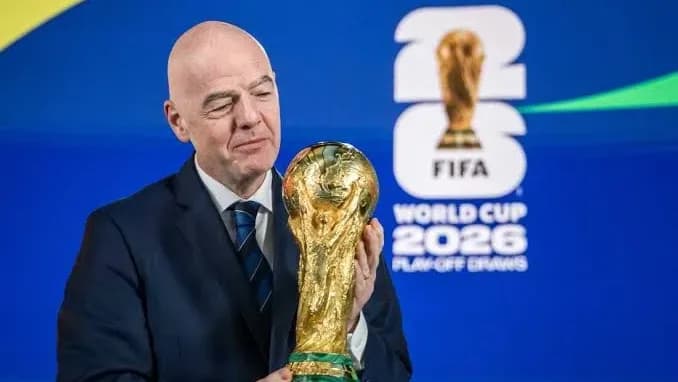














FIFA’s controversial proposal to sell a stake in the commercial rights linked to the FIFA World Cup has reportedly been shelved following strong opposition from football authorities and divisions within the governing body itself.
According to the New York Post, the governing body’s plan to attract outside investors into a newly formed commercial entity is no longer progressing after widespread resistance from confederations and senior FIFA officials. The report, published on Friday and citing four people familiar with the discussions, said the proposal has effectively collapsed.
🚨 #FIFA scraps #WorldCup private investment plan
— CGTN Sports Scene (@CGTNSportsScene) August 1, 2026
FIFA President Gianni Infantino confirmed that football’s governing body will not proceed with a proposal to sell stakes in its business operations to outside investors.#Football pic.twitter.com/vuauO5DIYB
The plan aimed to raise up to $4.2 billion by selling around a 20 percent stake in a new commercial business, placing its valuation at nearly $20 billion.
UEFA and other football bodies push back
The proposal sparked immediate criticism across world football, with UEFA emerging as the strongest opponent. The European governing body argued that the move would fundamentally alter the structure of the sport and accused FIFA of putting football’s “soul” up for sale.”
The resistance soon gathered momentum beyond Europe, with other continental confederations also expressing concerns over the proposal.
Also Read | Why has the AFC joined UEFA and CONCACAF in opposing FIFA World Cup plans?
UEFA’s 55 member associations unanimously voted in favour of boycotting future FIFA competitions if the plan moved ahead. The vote came less than two weeks after Spain won the men’s FIFA World Cup title.
All 55 UEFA nations to BOYCOTT World Cup if FIFA goes ahead with controversial sell-off plan
— RTBreaking (@RT_Breaking) July 30, 2026
'World Cup CANNOT be treated as an investment product'
VIDEO: Prez Infantino explains proposal to sell off shares in tournament to private investors pic.twitter.com/9RpUVTcElu
Internal disagreements deepen within FIFA
The proposal also triggered significant developments inside FIFA. Carlos Cordeiro, a senior adviser to FIFA president Gianni Infantino, stepped down from his role on Friday in protest against the plan.
FIFA Chief Operating Officer Kevin Lamour also criticised the handling of the proposal, saying staff members had been “deceived” by Infantino. He further described the investment proposal as a “project of one person”.
The developments highlighted growing internal disagreement over the future direction of FIFA’s commercial strategy.
🚨 MAJOR BREAKING: FIFA has SCRAPPED Gianni Infantino's controversial plan to sell stakes in the World Cup after an open revolt by soccer officials worldwide and private investors withdrew from the project.
— Polymarket Sports (@PolymarketSport) July 31, 2026
— @nypost pic.twitter.com/MzpmWtRJiZ
FIFA defended the proposal
Under the reported plan, FIFA intended to create a commercial subsidiary known as FIFA Forward Enterprise (FFE), valued at approximately $20 billion. The entity would have managed the commercial rights associated with the FIFA World Cup and other FIFA competitions.
Despite mounting criticism, FIFA rejected suggestions that it intended to privatise the sport. The governing body maintained that “nobody is selling football” and said media reports had misrepresented the proposal.
According to FIFA, Thrive Eternal, an investment fund managed by Thrive Capital founder Joshua Kushner, was expected to lead the investor group. Joshua Kushner is the brother of Jared Kushner, the son-in-law of U.S. President Donald Trump.
![US President Donald Trump with FIFA President Gianni Infantino | X [BBC]](https://d243y9xj05uh4.cloudfront.net/wp-content/uploads/nes/2026/07/18102204/fifa-with-trump-e1784350350176.webp)
Member associations were promised financial support
In a letter circulated to FIFA’s member associations, President Gianni Infantino said every federation would receive $40 million if the proposal received approval by September 19.
At the same time, FIFA sought to reassure its members that the plan would not be imposed without broad backing. The organisation stated that it would “not go ahead with the plan without the support of the majority of its member associations.”
With opposition continuing to grow across global football and divisions emerging within FIFA’s own leadership, the proposed investment plan has now reportedly come to a halt.
FAQs
Why did FIFA’s World Cup stake sale plan reportedly collapse?
The proposal reportedly collapsed after facing strong opposition from UEFA, other football confederations, and internal resistance within FIFA.
What was FIFA’s proposed World Cup investment plan?
FIFA reportedly planned to raise up to $4.2 billion by selling about a 20% stake in a new commercial entity valued at around $20 billion.