






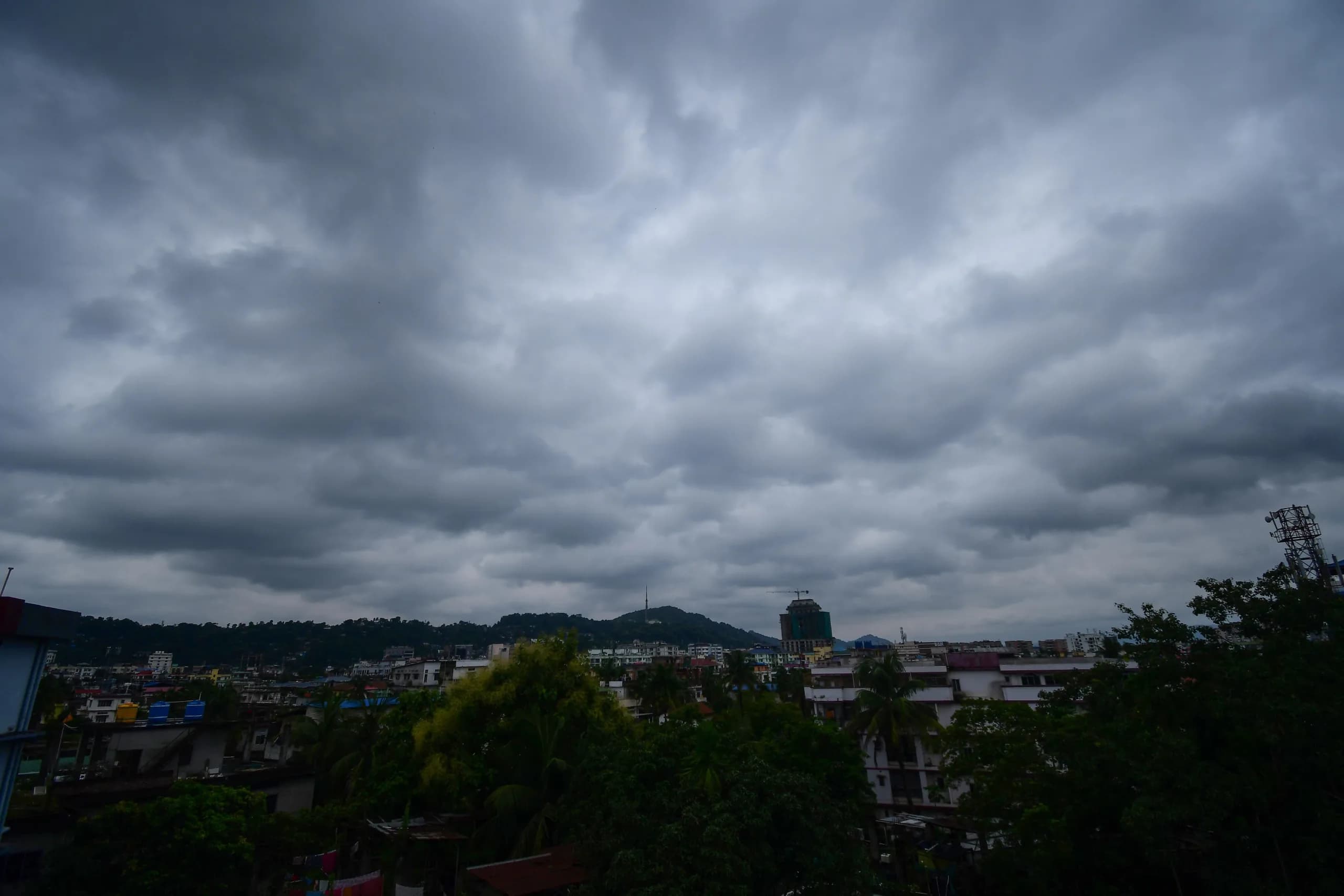
















The India Meteorological Department (IMD) has forecast below-normal rainfall and above-normal temperatures across most parts of the country during August and September, indicating that the southwest monsoon is likely to weaken in its second half due to strengthening El Niño conditions.
In its long-range forecast, IMD predicted rainfall during August to be less than 94% of the Long Period Average (LPA), whereas the maximum and minimum temperatures would be higher than average in most parts of India.
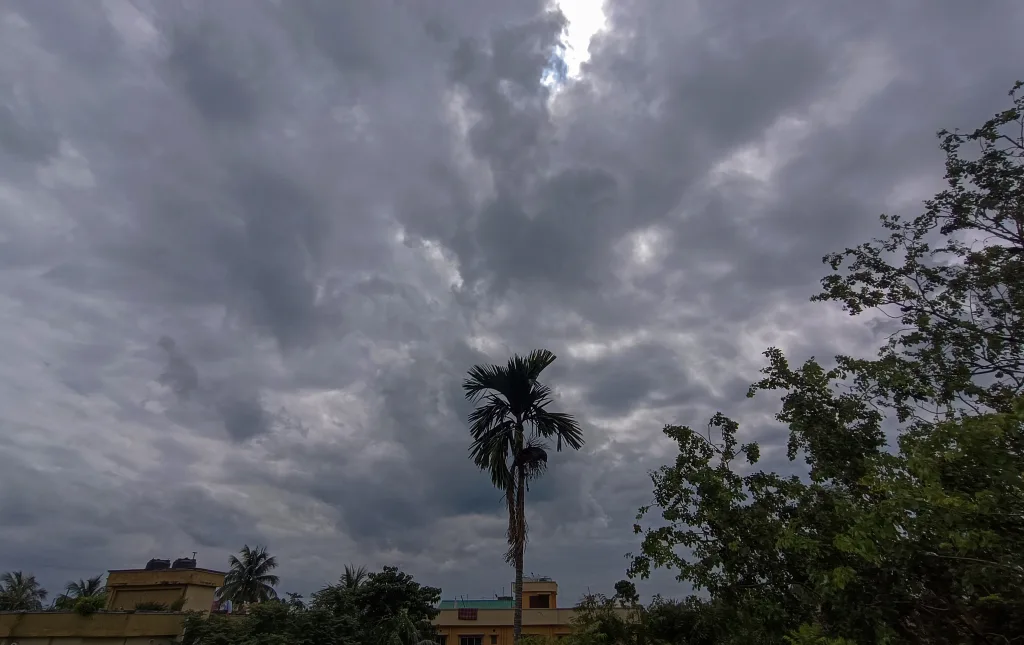
World Meteorological Organization (WMO) has also stated that El Niño was gaining momentum and would affect the global climate in the August-October period.
Also Read | Saurav Das on woman booked for remarks against PM Modi: ‘When did it become a criminal offence?’
Why is IMD forecasting weak monsoon rains?
As stated by M Mohapatra, IMD Director General, stronger El Niño conditions are forecasted in the coming months, resulting in reduced monsoon rains in August and September.
Highlights: Outlook for the Rainfall during Second Half of the SW Monsoon Season (August – September) and Monthly Rainfall and Temperature during August, 2026 pic.twitter.com/lMevVk835m
— India Meteorological Department (@Indiametdept) July 31, 2026
But at the same time, IMD informed that rainfall during the first two weeks of August would be normal, with some areas in west, central, east, and peninsular India receiving above-normal rains.
The forecast comes after a significant improvement in July, when India received 283.3 mm of rainfall, about 1% above the monthly average. IMD attributed the recovery to the formation of four low-pressure systems over the Bay of Bengal, two of which intensified into depressions, bringing widespread rainfall across central India.
What does the forecast mean for the rest of the monsoon?
Despite July’s recovery, IMD has retained its outlook of a weaker-than-normal monsoon season overall. The department had earlier projected seasonal rainfall at around 90% of the Long Period Average, with El Niño identified as the primary reason for the expected deficit.
July also emerged as India’s third warmest July since 1901 based on all-India mean temperature. IMD said below-normal rainfall over south peninsular and northeast India contributed to the higher temperatures.
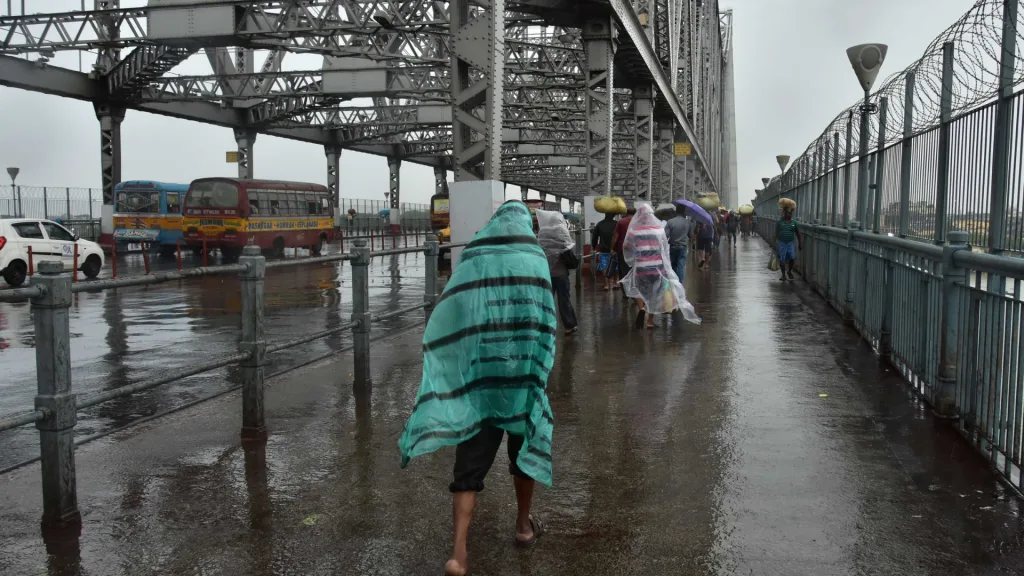
Also, the World Meteorological Organization (WMO) stated that there is a possibility of El Niño becoming even stronger, leading to the anomaly going above 2.9°C in certain monitored areas, which in turn will result in warmer than average temperatures and irregular rainfall patterns around the globe.
Also Read | South and Central Gujarat submerged in heavy rain; rescue operations underway
As per IMD figures, better rainfall performance in the month of July saw the number of districts getting normal and excess rainfall rise from 30% at the end of June to 53% at the end of July.
FAQs
Q1. What has been forecasted by IMD for the month of August 2026?
IMD has predicted below-normal rainfall and above-normal temperatures in most parts of India during the month of August.
Q2. Why will the monsoon weaken?
According to IMD and WMO, strengthening El Niño may cause weaker rainfall and warmer temperatures during the later part of the southwest monsoon season.