


























Medicare Part D subsidy will come to an end after 2026, following a decision by the Trump administration to discontinue the temporary financial support that helped keep prescription drug plan premiums lower for millions of Medicare beneficiaries.
The subsidy, which is expected to provide insurers with about $3.6 billion in 2026, will not continue into 2027. While the administration says the Medicare market has stabilised, the decision has sparked concerns that some seniors could face higher monthly premiums for prescription drug coverage next year.
Also Read | US Senate’s new immigration bill could be a game-changer for Indian H-1B workers
Around 25 million Americans are enrolled in Medicare Part D plans. Final premium rates for 2027 will be announced by Medicare in September.
Why is the Medicare Part D subsidy ending?
According to Trump administration officials, the temporary subsidy was introduced to stabilise the Medicare Part D market during changes to the prescription drug programme. Officials now argue that insurers have gained enough experience under the revised system and no longer require additional government support.
The administration also contends that continuing the subsidy could encourage insurers to increase premiums because federal funding would absorb part of the additional costs.
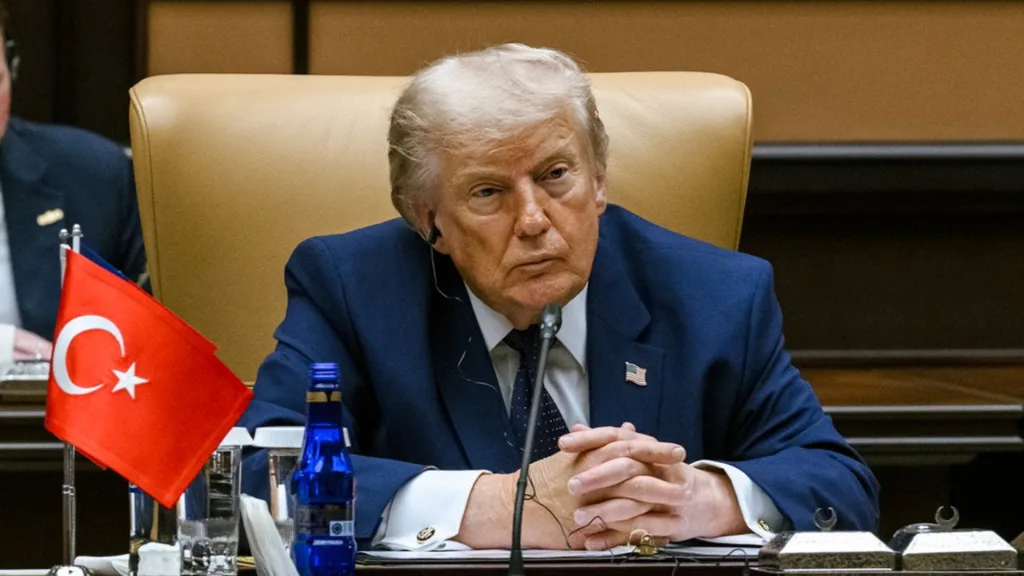
Centers for Medicare & Medicaid Services (CMS) Administrator Mehmet Oz said the administration believes the market has become stable enough for the programme to operate without the extra financial assistance. CMS also stated that insurers are now better equipped to estimate their costs under the updated Medicare structure.
Will Medicare Part D premiums increase in 2027?
While the exact premium changes will not be known until September, administration officials expect the impact to vary depending on individual insurance plans.
According to figures cited by the Wall Street Journal:
Around 25% of Medicare Part D enrollees are expected to see premiums remain unchanged or decrease.
About 30% may see monthly increases of less than $10.
The remaining 45% are projected to face increases, most of them ranging between $11 and $20 per month.

Officials also said beneficiaries facing higher premiums may be able to lower their costs by switching to more affordable Medicare Part D plans during enrolment.
What’s driving higher prescription drug costs?
Rising prescription drug costs have added pressure to Medicare Part D plans in recent years.
According to the report, increased use of expensive GLP-1 medications for diabetes and weight management, along with other high-cost medicines, has contributed to higher insurance costs.
Changes introduced under the Inflation Reduction Act of 2022 have also shifted a larger share of prescription drug expenses onto insurers. While the law reduced out-of-pocket costs for many Medicare beneficiaries, it increased financial obligations for insurance companies, adding further pressure on premiums.

Juliette Cubanski, Vice President at KFF, told the Wall Street Journal that these cost pressures are expected to continue into 2027.
How much did the subsidy reduce premiums?
According to the Medicare Payment Advisory Commission, the temporary subsidy reduced average Medicare Part D premiums by around 40% in 2025 and an estimated 27% in 2026.
Data from KFF shows the average monthly Medicare Part D premium was approximately $36 in 2026, while the National Council on Aging estimated the average at $34.50.
Also Read | US Senate pushes Russia sanctions bill targeting major oil buyers including India
A report by the Government Accountability Office estimated the subsidy programme provided $9.8 billion to the Medicare Part D market, including $6.2 billion in 2025 and $3.6 billion in 2026. According to the Wall Street Journal, administration officials said that had the programme continued into 2027, more than half of the subsidy funding would have gone to UnitedHealth Group.
FAQs
Q1. Why is the Medicare Part D subsidy ending?
The Trump administration says the temporary subsidy is no longer necessary because insurers now have sufficient experience under the updated Medicare programme and the market has stabilised.
Q2. Will all Medicare beneficiaries pay higher premiums in 2027?
Not necessarily. According to administration estimates cited by the Wall Street Journal, about 25% of enrollees could see premiums stay the same or decrease, while others may experience varying levels of increases depending on their plan
