
























The US economic growth shifted to a lower gear in the second quarter of 2026. The gross domestic product (GDP) rose at an annualized rate of 1.5% between April and June. This is down from 2.1% in the first quarter and below economists’ expectations.
The weaker number reflects a larger trade deficit, inventory drawdowns, and lower federal spending. The underlying domestic demand stayed firm.
Also Read | ‘It’s our turn’: Trump orders fresh US strikes on Iran after missile attack on American base in Jordan
US economic growth slowed to 1.5% in Q2, but the headline was much weaker than the underlying economy.
— TreasuryBonds.com (@TreasuryBonds1) July 30, 2026
• Consumer spending surged 3.2%
• Business investment jumped 8.4%
• Private domestic demand rose 3.9%, the strongest since early 2023
• AI, industrial equipment, and… pic.twitter.com/VEKDUsbus5
The household purse still holds firm
Consumer spending remained the main support for growth, rising at a 3.2% annual pace after a much slower 0.5% increase in the previous quarter.
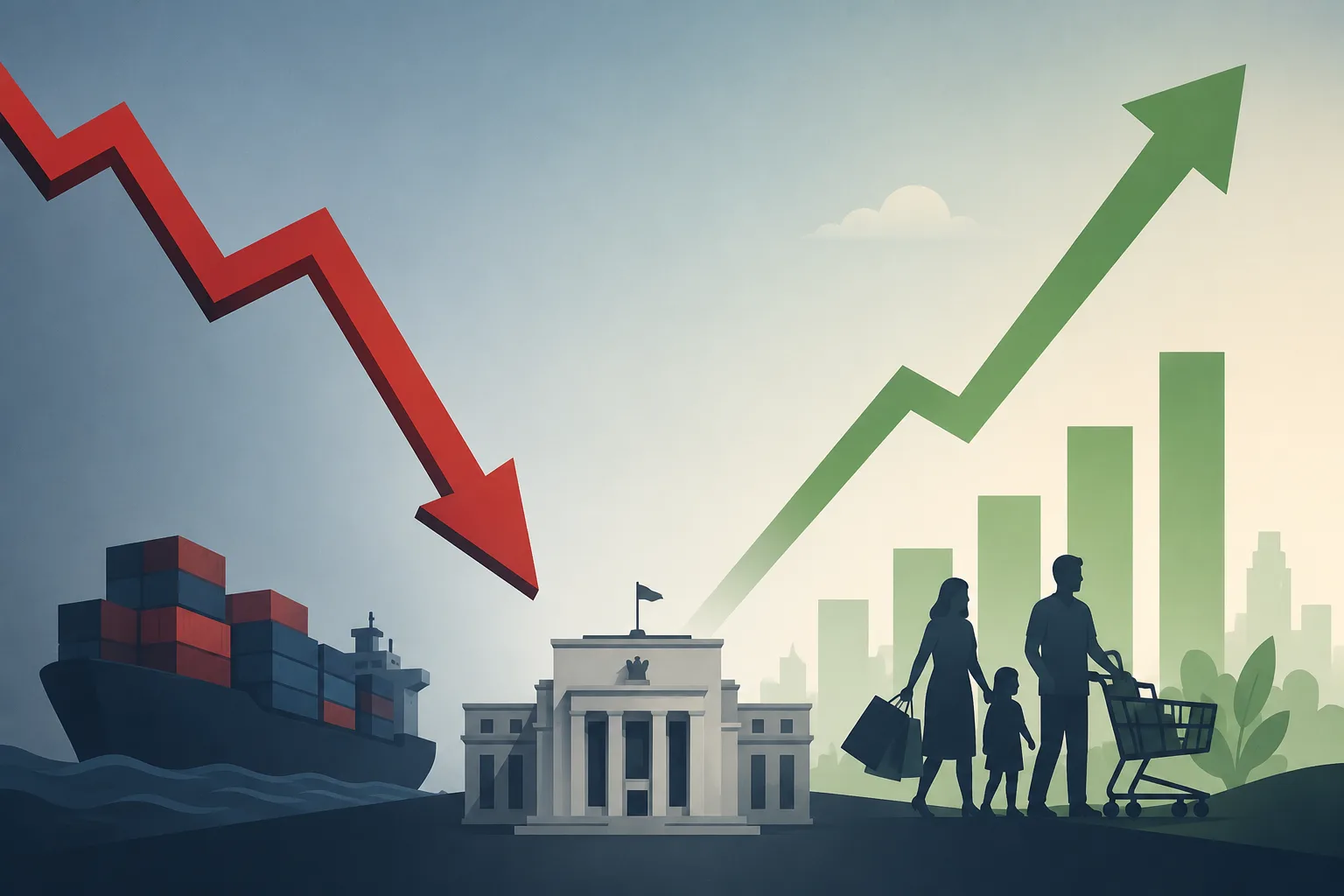
Business investment also held up. The spending on equipment jumped 15.2% for a second straight quarter of double-digit growth. The broader measure of private domestic demand, which is the final sales to private domestic purchasers, increased 3.9%.
This was the fastest since early 2023 marking the strongest pace in over a year. This signals that households and firms continue to spend despite the softer GDP reading.
GDP growth for Q2 came in lower than expected this morning: 1.5% (vs. the 2.1% economists predicted).
— Steve Rattner (@SteveRattner) July 30, 2026
Growth has averaged 1.9% under Trump — lower than the 2.4% during Biden's last year and the 3% Trump's Treasury Secretary has promised to deliver by the end of the year. pic.twitter.com/z4dtnhLusM
Trade proves the awkward guest
At the same time, imports weighed heavily on the economy.
The trade shortfall shaved 1.01 percentage points off GDP growth, while inventories subtracted another 0.67 percentage point as firms drew down stock to meet demand.
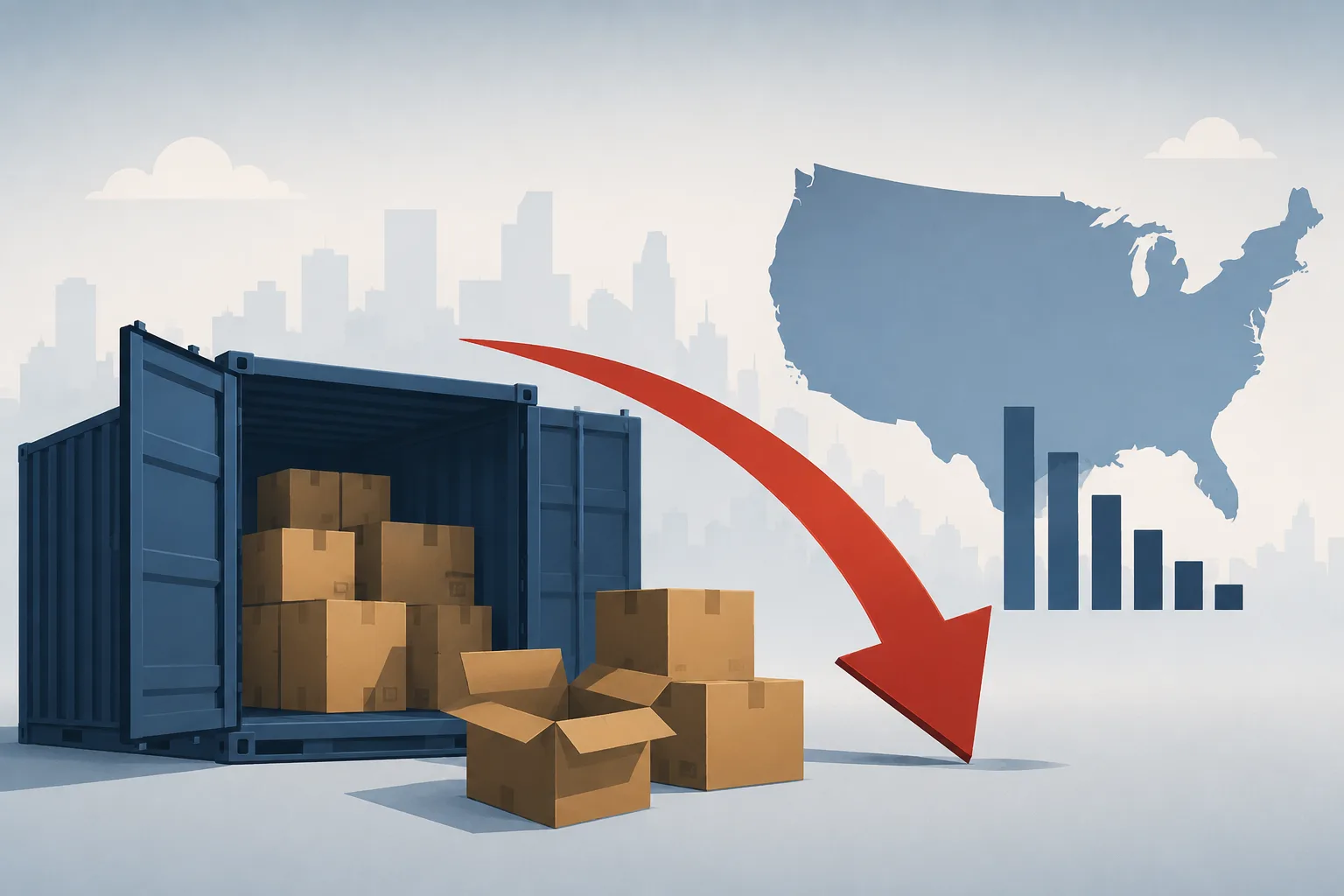
Government spending fell at a 0.8% pace, with federal outlays down 4.1%.
The AI investment boom helped lift demand, but it was highly import-dependent. This was a contributor to the widening of the trade deficit.
🦔The US economy grew at 1.5% in Q2, below the 1.8% economists expected and down from 2.1% in Q1. The Fed's preferred inflation gauge, core PCE, came in at 3.3% annually, still well above the 2% target. Consumer spending rose 2.1%, which looks healthy until you see how people… pic.twitter.com/q17aqw3H8h
— Hedgie (@HedgieMarkets) July 30, 2026
The central bank keeps its powder dry
Inflation showed some cooling in June, though it remained above the Federal Reserve’s target.
The price index for gross domestic purchases rose at a 5.7% pace in the second quarter. The PCE price index increased 5.1%, and core PCE rose 3.4%.
On a year-on-year basis, PCE inflation eased to 3.7% in June from 4.1% in May, while core PCE eased to 3.3%.

The Warsh-led Fed left its benchmark rate unchanged this week. Some economists warn that sticky inflation and weak income growth could keep pressure on policymakers in the months ahead.
Also Read | Trump on Russia sanctions bill: ‘Not necessary’, seeks changes amid 100% tariff threat to India
FAQs
Q1: Why did US GDP growth slow in the second quarter of 2026?
US GDP growth slowed to 1.5% mainly because a wider trade deficit, lower inventories and reduced government spending weighed on economic output.
Q2: Did consumer spending remain strong despite slower US economic growth?
Yes, consumer spending remained resilient, helping support domestic demand even as overall GDP growth weakened.
