










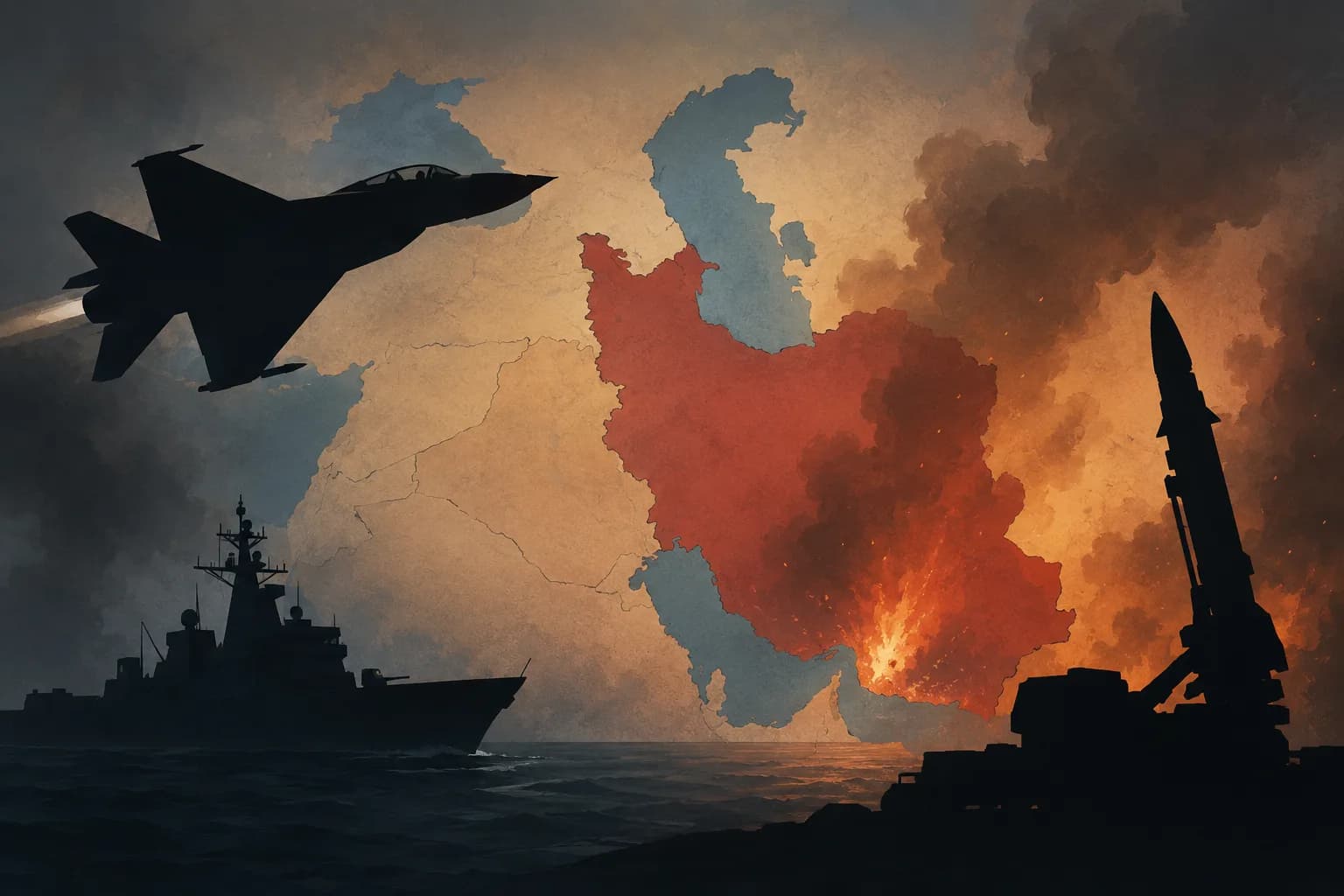













The United States launched another round of strikes on Iran on Wednesday, hitting what the US military described as dozens of Islamic Revolutionary Guard Corps facilities in a two-hour operation that followed an Iranian missile attack on US forces in the region.
US Central Command said the strikes targeted command centres, missile and drone facilities, coastal surveillance sites and maritime defence infrastructure.
President Donald Trump warned earlier that Washington would hit Iran “very hard”.
Iranian media, meanwhile, reported civilian casualties in the latest bombardment, including the deaths of three people on Qeshm Island. The fighting entered another phase of escalation.
🚨🇮🇷 BREAKING: Iran is firing back already, with ballistic missiles launching from Khomein and Tabriz reportedly aimed at U.S. forces in Jordan.
— Mario Nawfal (@MarioNawfal) July 30, 2026
-Reports describe fresh ballistic missile launches from Khomein in Markazi province and from Tabriz in the northwest, with U.S. bases…
Also Read | Trump on Russia sanctions bill: ‘Not necessary’, seeks changes amid 100% tariff threat to India
The neighbours are rather less than amused
The strikes also rippled beyond Iran’s borders. Jordan’s armed forces said it intercepted five Iranian missiles after Tehran targeted a US airbase and command headquarters there. Kuwait said an Iranian strike hit a building belonging to a Chinese company, killing a worker and causing significant damage.
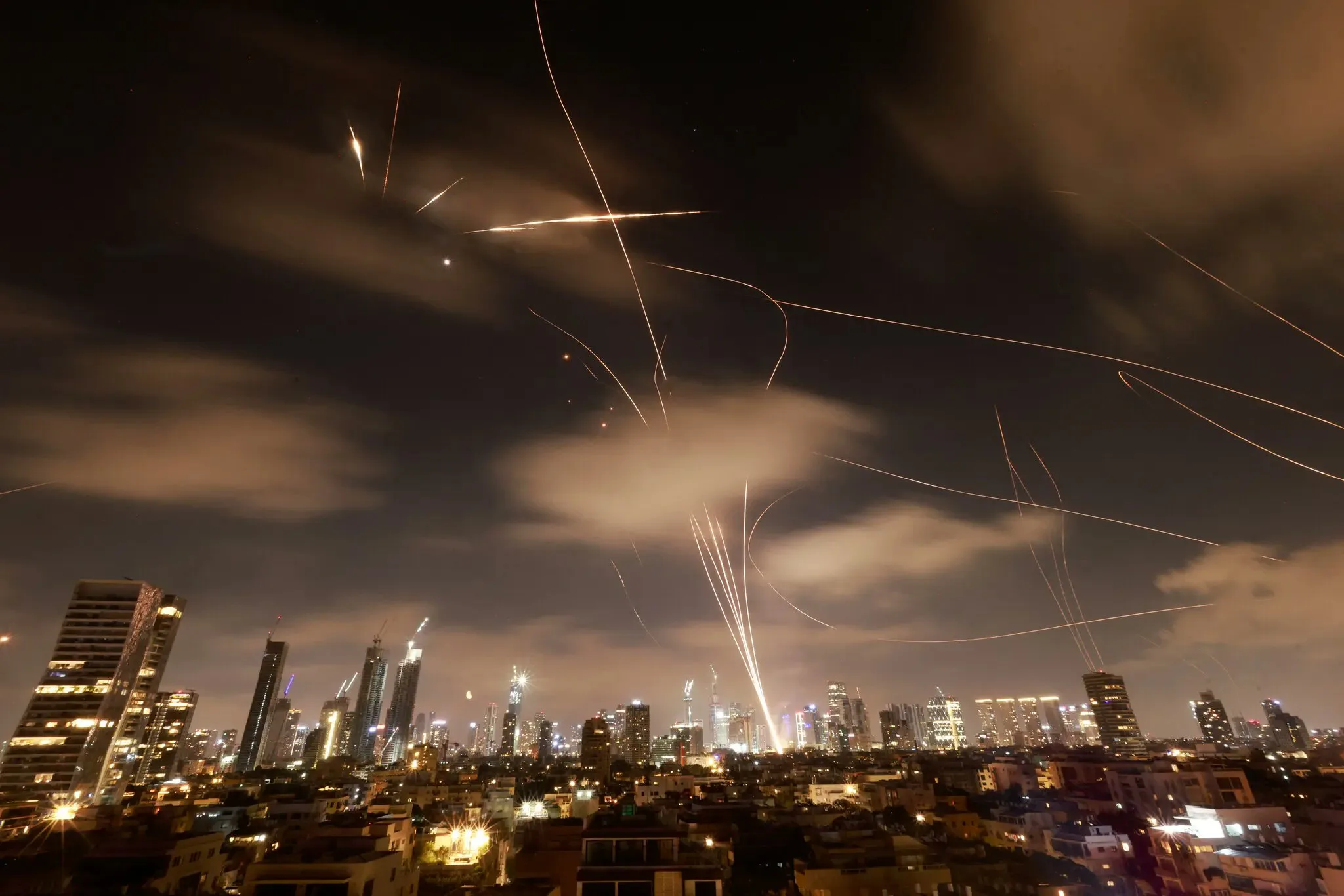
Saudi Arabia condemned Iran’s attack on Jordan as a violation of “international law and the principles of good neighbourliness”, according to the state-run Saudi Press Agency.
Saudi Arabia, for the first time in the five-month conflict, publicly joined strikes alongside US forces against Iran-aligned groups in eastern Iraq. The move follows drone attacks on Saudi oil targets launched from Iraq.
#BREAKING : After IRGC’s missile strike on a US base, the US military retaliated by annihilating IRGC’s main nerve center—the Sar-Allah HQ in Tehran. The base is completely destroyed and currently engulfed in flames. 💥🇺🇸🇮🇷 pic.twitter.com/yuV24uEqpq
— US MILITARY FORCE 🎖️🇺🇸 (@USmilitaryforc0) July 30, 2026
The sea pains
The widening conflict has also created fresh concern over key shipping routes.
Egyptian authorities said a drone caused a fire on two gas vessels at Damietta port, near the Suez Canal. Officials said no party had claimed responsibility.
The strike hit the US-owned Energos Winter and spread to another vessel, raising fears about navigation through one of the last remaining export routes for Saudi oil.
Reuters reported that Iran fired at US forces in the region before the latest US retaliation. The Houthis declared a naval blockade on Saudi Arabia, further extending the pressure on Red Sea shipping.
At the diplomatic level, Pakistan’s foreign ministry said, “Negotiations between parties are ongoing,” while Iran’s foreign ministry said talks with Oman over the Strait of Hormuz were continuing despite the escalation.
Also Read | Trump unveils $22.5 billion Dulles makeover: ‘One of the worst’ to ‘maybe the best’
⚡️BREAKING: Iran has been launching Ballistic Missile strikes at American Bases in Kuwait and Jordan for the past several Hours
— Iran Observer (@IranObserver0) July 30, 2026
Satellite Imagery may show the Level of Damage at a later Date pic.twitter.com/sy9YnJdcgw
No sign of slowing down
The latest strikes came after a five-night pause in the US campaign against Iran. The conflict remains active even as regional governments try to manage the fallout.
Iranian officials said the latest attacks were concentrated in the country’s southern provinces, including areas near the Gulf and the Strait of Hormuz.
US officials said the aim was to reduce threats to American forces, commercial shipping and Gulf states.
With attacks now reaching Iran, Jordan, Kuwait and Egypt, and with Saudi Arabia directly involved in retaliatory operations, the conflict is broadening across the Middle East.
Also Read | US GDP grows 1.5% in Q2, trade deficit trims more than 1 percentage point
FAQs
Q1: Why did the US launch fresh strikes on Iran?
The US said it targeted Iranian Revolutionary Guard facilities in response to Iranian missile attacks on US forces in the region.
Q2: Which countries have been affected by the latest US-Iran conflict?
The escalation has affected Iran, Jordan, Kuwait, Egypt and Saudi Arabia, highlighting the conflict’s growing regional impact.
