



























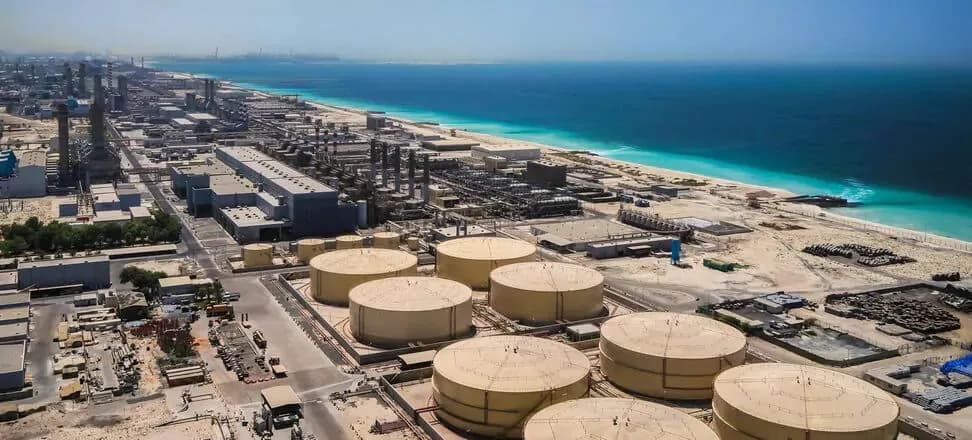
Iranian strikes hit a power and water desalination plant in Kuwait, damaging one of the small desert nation’s key sources of drinking water and underscoring how exposed Gulf infrastructure has become in the wider conflict.
The facility is among the systems that keep Kuwait supplied in a region where freshwater is produced largely through technology rather than natural reserves.
Kuwaiti authorities said the strikes damaged a large number of power generation units and sparked a fire but added that the blaze was contained and that emergency contingency plans were activated.
Also Read | Trump airport rename sparks backlash; United Airlines offers passengers an alternative
🇰🇼🇮🇷 Iran just hit the one thing Kuwait can't live without: its water.
— Mario Nawfal (@MarioNawfal) July 17, 2026
Kuwaiti air defenses knocked down a wave of Iranian ballistic missiles and drones entering its airspace, but not all of them.
Drone strikes slammed into military sites and critical infrastructure, including… pic.twitter.com/T3lIzRt8IP
A fragile artery laid bare
The Kuwait Electricity, Water and Renewable Energy Ministry said the incident led to immediate safety measures at the plant and the electrical grid.
According to the ministry, “This necessitated taking precautionary operational measures to ensure the safety of the plant and the stability of the electrical grid,” and the event prompted the activation of emergency plans.
The fire broke out at a component of a power generation and water desalination plant after Iranian attacks early Saturday.
🇰🇼🇮🇷 Footage from today's strike by Iran on a Kuwaiti power and water desalination plant
— Mario Nawfal (@MarioNawfal) July 18, 2026
It marks a dangerous escalation as Kuwait relies on desalination for approximately 90% of its drinking water
Writer: Ianpic.twitter.com/vaVE3vC8Zv
What makes desalination a strategic target?
The attack comes at a time when water systems in the Gulf are increasingly being seen as strategic vulnerabilities.
About 90% of Kuwait’s drinking water comes from desalination, with roughly 86% in Oman and about 70% in Saudi Arabia relying on the same process.
Hundreds of desalination plants line the Persian Gulf coast, placing the systems that serve millions within range of missile or drone strikes. Without these facilities, major cities in the region could not sustain their current populations.
🇰🇼🇮🇷 Iran is now dragging the Gulf's power and water supply into the war.
— Mario Nawfal (@MarioNawfal) July 18, 2026
An Iranian military source says Tehran has launched a phased campaign targeting regional energy infrastructure, warning that all power stations and desalination plants in Kuwait are now on its target list…
The stakes run deeper than oil
The Kuwait strike followed a series of attacks in the region that have put essential infrastructure at risk, including earlier damage reported at the Doha West desalination plant in Kuwait.
Iran has accused the US of striking desalination plants on Qeshm Island, while Yemen’s Houthi rebels have targeted Saudi desalination facilities in the past.
The broader Iran war has already disrupted energy markets, but the infrastructure keeping Gulf cities supplied with drinking water is just as vulnerable.
Also Read | Balochistan unrest puts Gwadar, Saindak and China’s Pakistan strategy under pressure
FAQs
Q1: Why is Kuwait’s desalination infrastructure important?
Kuwait depends on desalination plants for around 90% of its drinking water, making them critical to the country’s water security.
Q2: What happened at Kuwait’s power and water desalination plant?
Kuwaiti authorities said an Iranian strike damaged power generation units, caused a fire at the facility, and triggered emergency response measures.
