










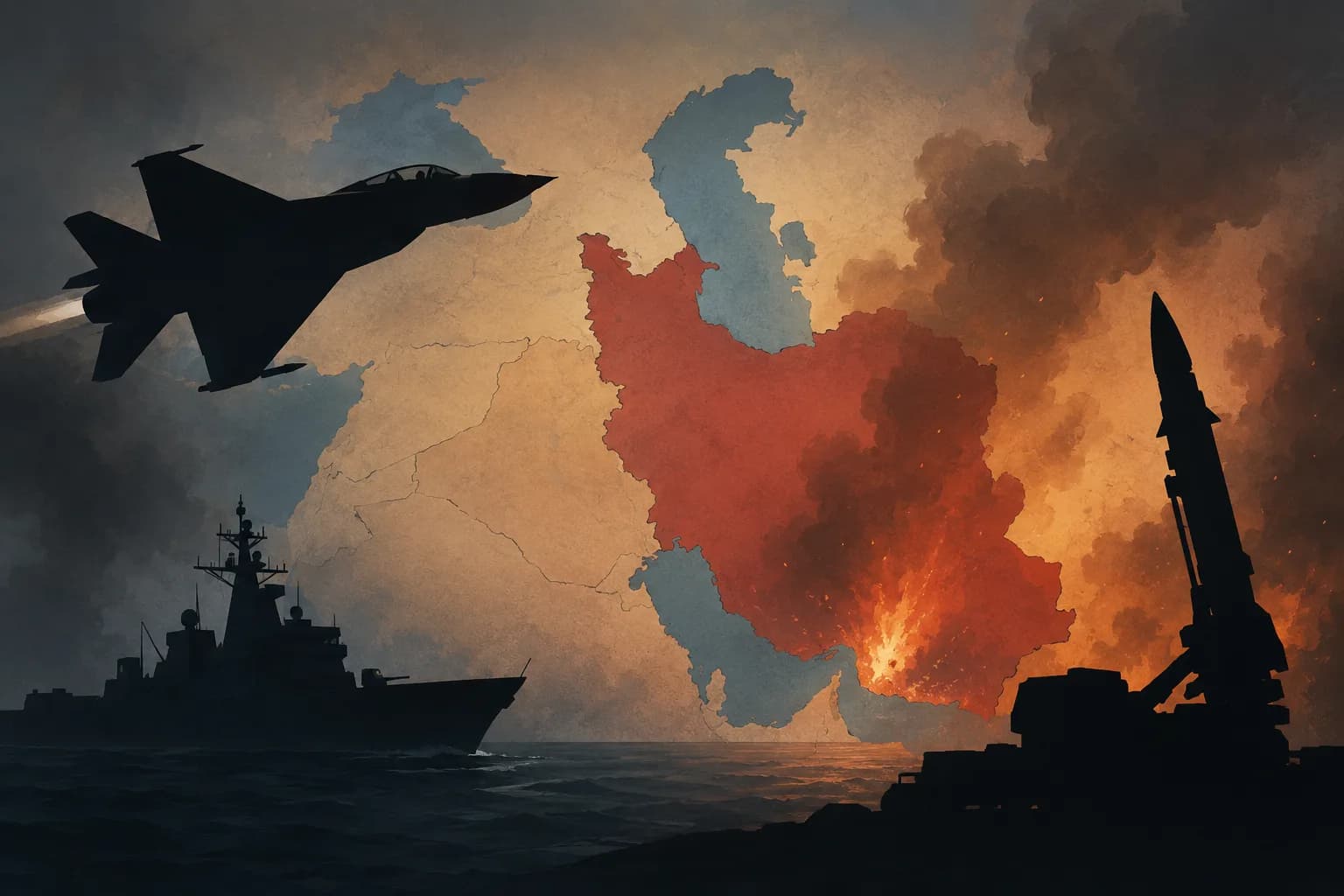













The conflict between the United States and Iran showed no signs of easing as both sides exchanged fresh attacks for the seventh consecutive night on Saturday. Iranian authorities said three people were killed and eight others injured in southern Iran after US strikes, while Tehran claimed it had launched retaliatory attacks on American military facilities in Kuwait and Jordan.
According to Iran’s state news agency IRNA, the casualties were reported from Hormozgan province following the latest US offensive. Meanwhile, Iran’s military said it targeted several US military installations across the Gulf in response.
3 villagers were martyred while crossing the Bandar Khamir Bridge. They were absolutely innocent, and we will never allow their blood to be in vain.
— Seyed Abbas Araghchi (@araghchi) July 17, 2026
Iran is our homeland—from south to north, and from east to west. We will defend every inch of our land until our very last breath. pic.twitter.com/ZV2vxsnCDl
Iran claims strikes on US military sites
Iranian state media reported that military targets in Kuwait included an ammunition depot at the Al-Adiri camp, headquarters buildings and ammunition depots at the Ali Al-Salem base, along with several communication bridges. In neighbouring Jordan, Iranian forces claimed to have struck fuel storage facilities at the Al-Azraq base.
Also Read | Israeli strike on Gaza funeral kills mourners; military says claims are ‘under review’
The latest round of attacks came after US Central Command said its operations were aimed at “continue degrading Iranian military capabilities,” according to a statement posted on X.
— U.S. Central Command (@CENTCOM) July 18, 2026
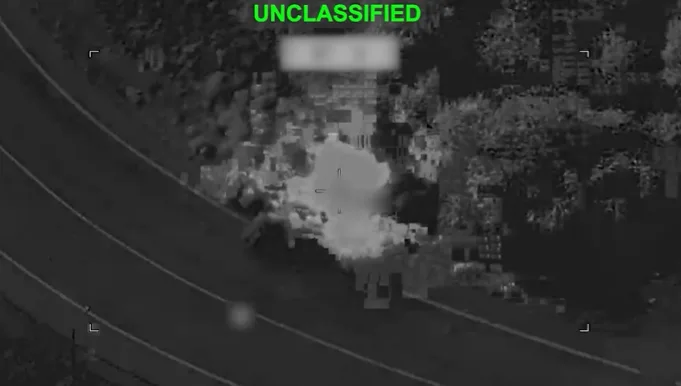
Iran, however, accused Washington of widening its campaign by attacking civilian infrastructure, including an airport, a railway station and two bridges. While US President Donald Trump had earlier threatened to target Iranian infrastructure, the United States has not officially confirmed carrying out strikes on civilian locations.
Hormuz tensions deepen
The conflict also intensified around the strategically important Strait of Hormuz. Iran’s Revolutionary Guards claimed two oil tankers exploded after hitting mines, alleging they had been guided by “deceptive American intelligence agencies.” The US military denied the allegation.
The Guards further said they had “stopped” four vessels attempting to pass through the vital shipping route, which remains a key artery for global oil trade.
Iran issues fresh warning
Major General Mohsen Rezaei, a senior military adviser to Iran’s supreme leader, warned that Tehran could significantly escalate its military response if the US offensive continued.
“Iran will no longer limit itself to retaliatory, like-for-like responses…and no political border will be safe,” Rezaei was quoted as saying by Iranian news agency IRIB.
Also Read | Germany’s next energy bet is Algeria, and it is not just about gas
Iran also claimed its forces targeted US radar systems and military aircraft in Qatar, besides launching strikes on two US radar sites in Oman and the Al-Tanf military base in Syria. Qatar said it intercepted a missile attack, while a Syrian military source denied any strike on Al-Tanf. US officials maintained American troops had already withdrawn from the base earlier this year.
Iran’s health ministry said at least 38 people have been killed and over 400 injured since the fighting resumed, even as China and Pakistan urged both countries to halt hostilities and return to negotiations.
FAQs:
Why did Iran target US military sites in Kuwait and Jordan?
Iran said the strikes were retaliation for continued US attacks on its territory.
Why is the Strait of Hormuz important in the conflict?
It is one of the world’s busiest oil shipping routes, making it strategically vital.
