

























Jordan said on Sunday that its armed forces intercepted three Iranian missiles over its territory, while a fourth landed in a remote area in the south, as regional tensions widened across the Gulf.
The Jordanian foreign ministry also summoned Iran’s chargé d’affaires in Amman to deliver what state media described as a strong protest over Iranian attacks and “provocative and inflammatory statements” directed at the country.
Jordanian officials said no casualties or damage were reported from the interceptions.
Also Read | China seeks compensation after UK nationalises British Steel, says move ‘seriously damaged’ Jingye’s rights
🔴 JORDAN INTERCEPTS IRANIAN MISSILE BARRAGE 🇯🇴
— OSN – Observer Security Network (@OSN_Reports) July 19, 2026
JORDANIAN ARMED FORCES downed 3 IRANIAN missiles targeting the kingdom. 1 projectile struck uninhabited terrain with zero casualties reported. Regional air defense networks remain on high alert. 🛡️📡#JORDAN #IRAN
Beyond the usual lines of contention
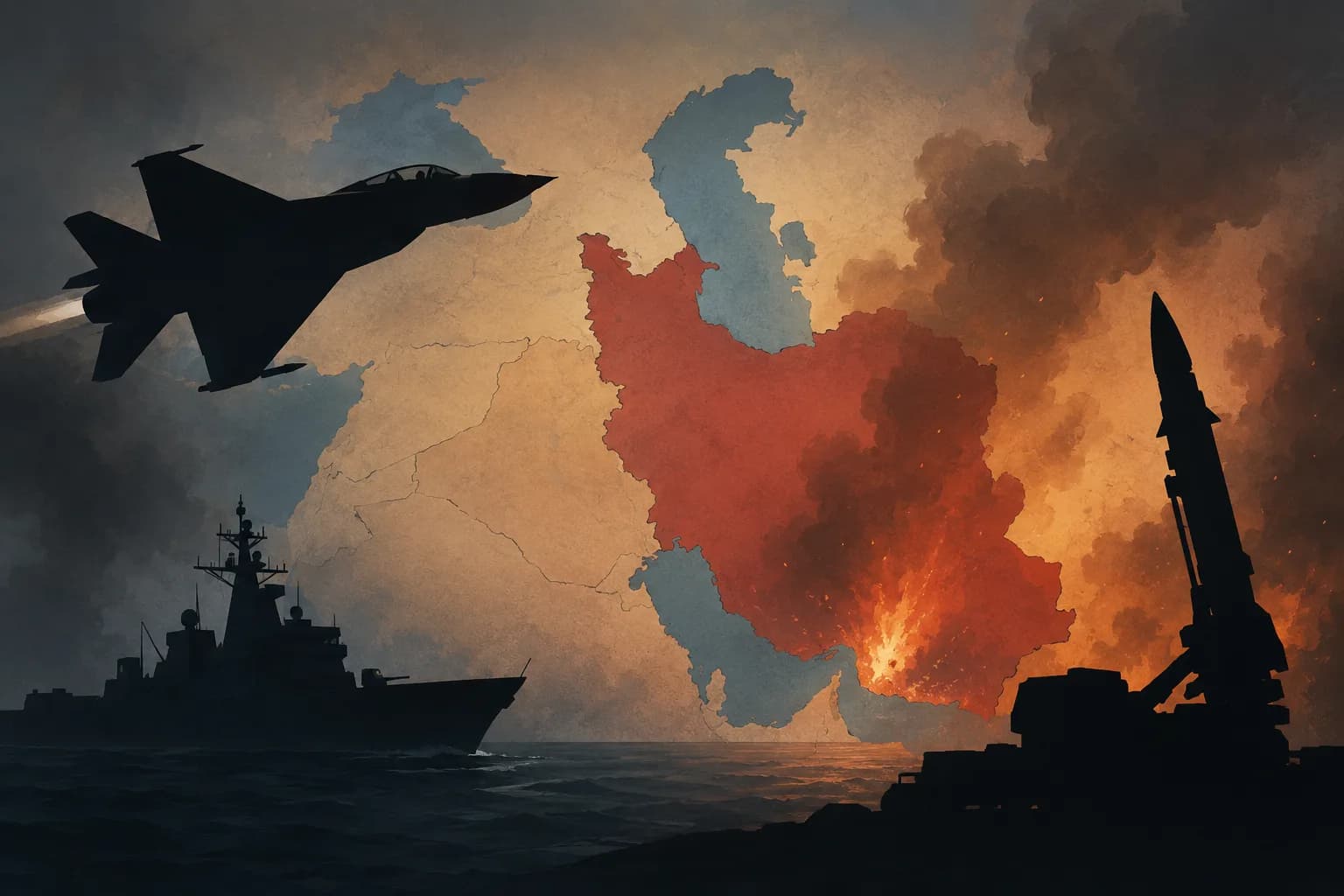
The episode marked another sharp turn in a conflict that has already spilled beyond Iran and Israel into neighbouring Arab states.
Israeli military officials said missiles fired from Iran toward the Jordanian city of Aqaba were detected, and Jordanian state television reported sirens sounding in the country.
The United States embassy in Jordan separately warned Americans to avoid Aqaba’s airport and seaport, citing what it called a “specific and credible threat”, although Jordanian authorities later said they had not detected any immediate danger and had not ordered an evacuation.
🚨 JORDAN INTERCEPTS 3 IRANIAN MISSILES, 4TH FALLS IN REMOTE AREA
— Jesse option (@AShmueil) July 19, 2026
**Key Points:**
– Jordanian Army confirms interception and downing of 3 Iranian missiles targeting Jordanian territory
– A fourth missile fell in a remote area without interception
– Jordan's air defenses…
The Gulf feels the tremors in earnest
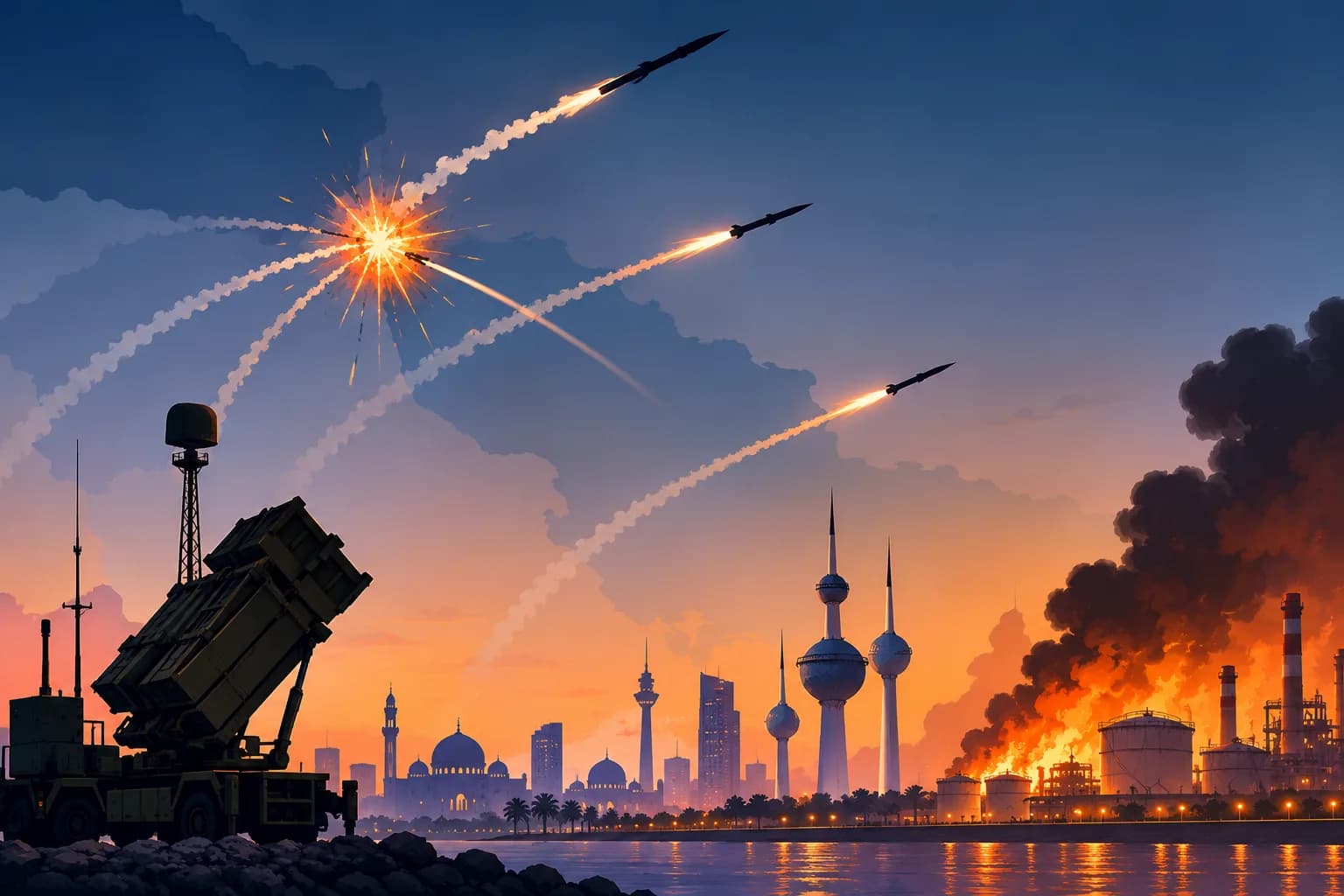
Kuwait also reported direct fallout from the fighting. Iranian drones and missiles hit Kuwait and Bahrain after another night of US strikes on Iran, and Kuwaiti authorities said one of the attacks started a fire at a power and water plant.
Kuwait’s electricity ministry said the plant had been attacked for the second time in two days while the country’s military said it was responding to Iranian strikes that reportedly hit an oil facility, a power plant and a desalination facility.
Kuwait’s Ministry of Electricity, Water and Renewable Energy condemned the “heinous Iranian aggression”.
Iron Dome intercepts fragments from Iranian missiles fired toward Jordan, after an initial interception by the U.S. Aegis system. Officials say the event underscores ongoing regional tensions and the importance of multi-layer missile defense. https://t.co/XjjVbNgawx pic.twitter.com/WXyxl4TM6l
— Drew Grimaldi (@Grimillionaire) July 19, 2026
How far can this spiral widen?
The widening cross-border exchanges come amid a sustained cycle of retaliation between the United States and Iran, with Gulf states increasingly caught in the middle.
Iran said it had fired drones and missiles at Kuwait and Bahrain and claimed to have stopped two ships in the Strait of Hormuz after an eighth consecutive night of US attacks.
The US military launched fresh strikes against Iran’s Islamic Revolutionary Guard Corps in retaliation for an attack in Jordan that killed two American service members, left one missing and injured four others, while Iran claimed it had delivered heavy blows to US-linked targets across the region.
Diplomacy races to keep pace with missiles
Jordan’s move to confront Iran diplomatically and Kuwait’s reports of damage to civilian infrastructure underscored how quickly the crisis has broadened from a military exchange into a wider regional security challenge.
With warnings issued around transport hubs, missile interceptions reported over Jordan and attacks on power and desalination facilities in Kuwait, the conflict is now testing the resilience of Gulf infrastructure as well as the ability of regional governments to contain spillover from the fighting.
Also Read | Russia pounds Kyiv in biggest ballistic missile barrage since war began, killing at least one
FAQs
Q1: Why did Jordan intercept Iranian missiles?
Jordan said it intercepted Iranian missiles to protect its airspace after projectiles entered its territory during the escalating regional conflict.
Q2: What happened at Kuwait’s power and water plant?
Kuwaiti authorities reported that a strike caused a fire at a power and water plant amid the widening Iran-US conflict.
