

























Crude oil prices extended their gains on Tuesday, July 14, climbing to their highest level in nearly a month as the escalating US-Iran conflict heightened concerns over global energy supplies. Fresh military action around the Strait of Hormuz and renewed restrictions on Iranian shipping fuelled fears of potential disruptions in one of the world’s most important oil transit routes.
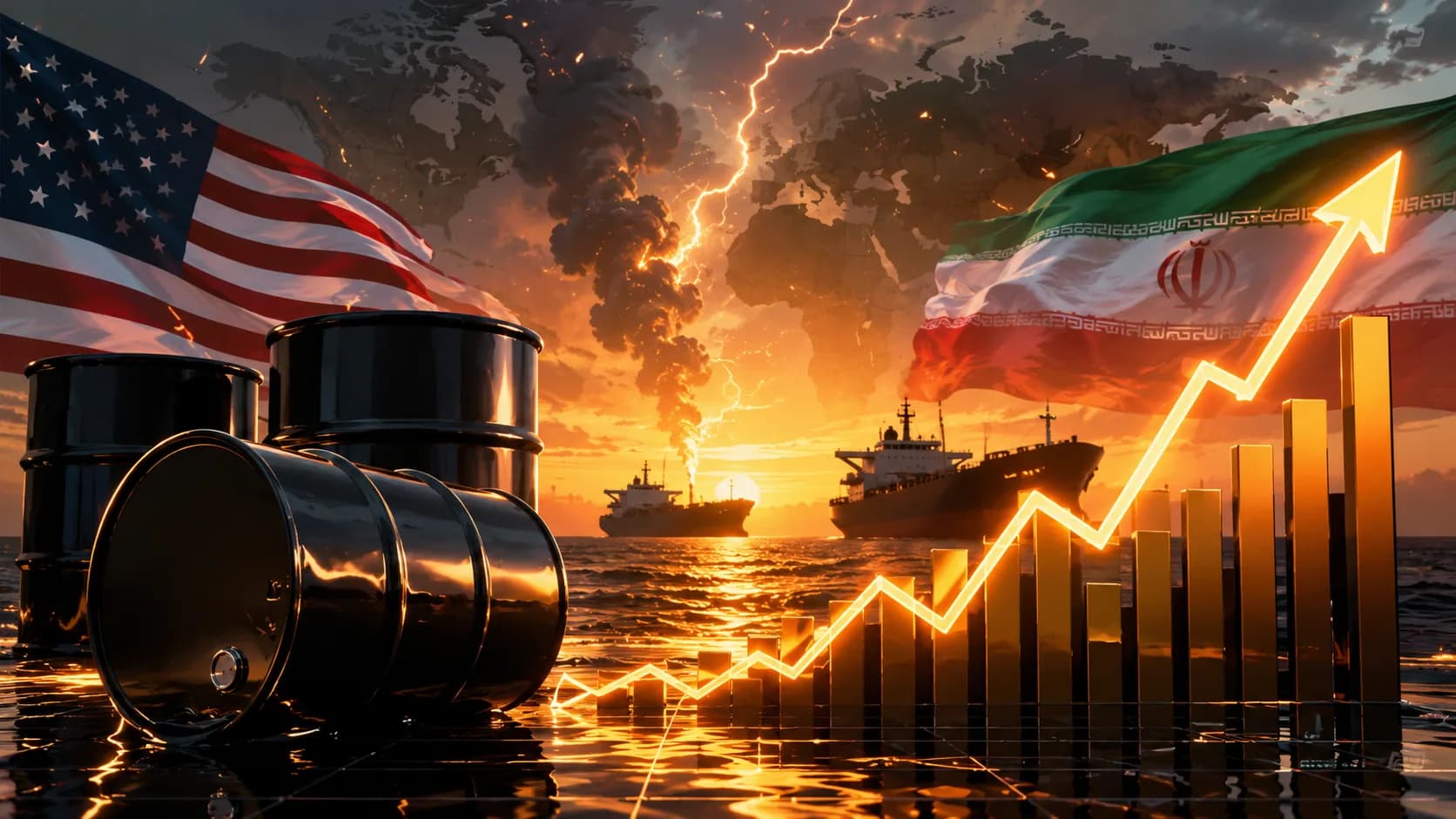
Brent crude futures rose $1.68, or 2%, to $84.98 a barrel, while US West Texas Intermediate (WTI) crude gained $1.65, or 2.1%, to $79.79 a barrel. The latest rise comes after Brent surged 9.6% in the previous session, marking its biggest single-day gain since May 2020.
Why are crude oil prices rising?
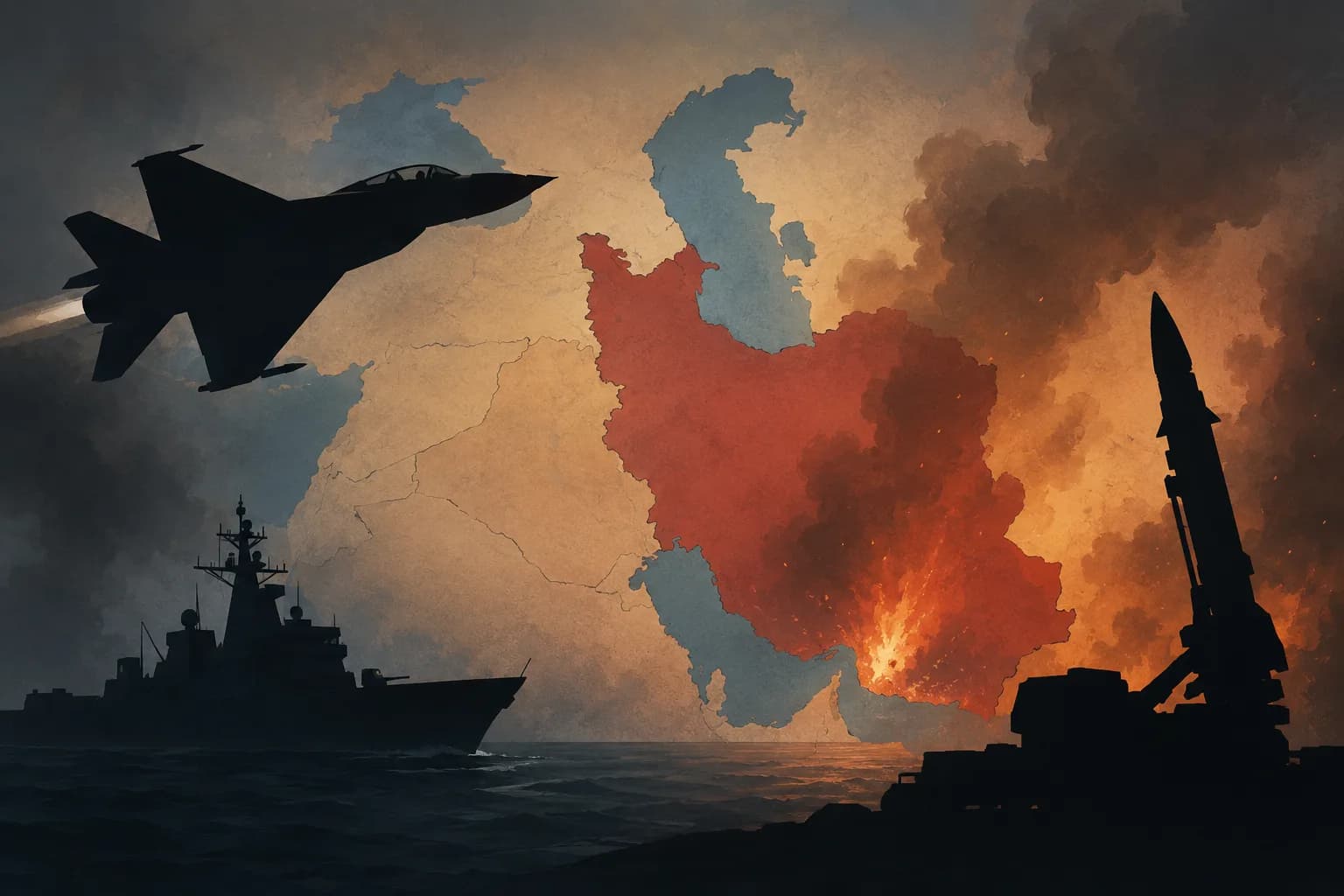
The latest rally follows renewed geopolitical tensions between the United States and Iran. Oil markets reacted sharply after Washington reinstated its naval blockade of Iran, while both countries stepped up military operations around the Strait of Hormuz, a key shipping route for global crude supplies.
Also Read | Oil prices surge as US-Iran strikes rattle Asian markets
The increase has pushed oil prices to their highest level since the two countries signed a memorandum of understanding on June 17 aimed at ending the conflict. Renewed hostilities have now cast fresh doubts over the stability of energy shipments from the Persian Gulf.
Tanker attack raises supply concerns
According to the UAE Ministry of Defence, two United Arab Emirates oil tankers were struck by Iranian cruise missiles in the southern shipping lane of the Strait of Hormuz within Omani territorial waters on Monday. The attack killed one Indian crew member and left eight others injured.
The Joint Maritime Information Center also announced that the US Central Command will begin enforcing a blockade on all Iranian ports and coastal areas from 4 p.m. New York time on Tuesday.
US President Donald Trump said that the United States had reimposed its blockade of Iranian shipping. He also stated that Washington expects to be compensated for safeguarding countries that rely on its protection in the Strait of Hormuz.
Also Read | Trump’s ‘over’ comment on Iran rattles Dalal Street, Sensex tumbles
Iran rejects agreement as tensions deepen
Earlier on Monday, Tehran said its agreement with Washington had “clearly entered a crisis phase” and declared it would no longer honour the deal as long as the US continued to violate its commitments.
Iranian Foreign Minister Abbas Araghchi also ridiculed Trump’s proposal to impose a toll on ships using the strait.
According to Iran’s semi-official Fars news agency, citing an army statement, Iranian forces launched drones at US assets in Kuwait and fired cruise missiles at what it described as a “hostile vessel.”
Gulf exports remain in focus
Before tensions flared again, Gulf producers had begun increasing crude exports after an interim agreement eased concerns over shipping disruptions. During a temporary pause between two US naval blockades, Iran exported at least 57 million barrels of crude, highlighting the importance of its oil supplies to global markets.
Also Read | Iran strikes UAE oil tankers in Hormuz, one Indian dead and eight injured
The UAE also expanded exports by using shuttle tankers operating with tracking transponders switched off. According to a monthly report reviewed by Bloomberg, the country informed OPEC that its crude oil production increased to 3.8 million barrels per day in June from 1.71 million barrels per day in May after finding ways to manage disruptions linked to the Iran conflict and ramping up production following its exit from the producer group.
Separately, Bloomberg reported that Trump is expected to support a Russian sanctions bill championed by the late Senator Lindsey Graham. The proposed legislation seeks to revive penalties on buyers of Russian oil and natural gas, increasing pressure on Moscow over the ongoing war in Ukraine.
FAQs:
Why are crude oil prices rising today?
Crude oil prices are climbing due to escalating US-Iran tensions, renewed shipping restrictions and fears of supply disruptions through the Strait of Hormuz.
How does the Strait of Hormuz affect global oil prices?
The Strait of Hormuz carries a significant share of global oil exports, so any disruption there can tighten supplies and push crude prices higher.
