


























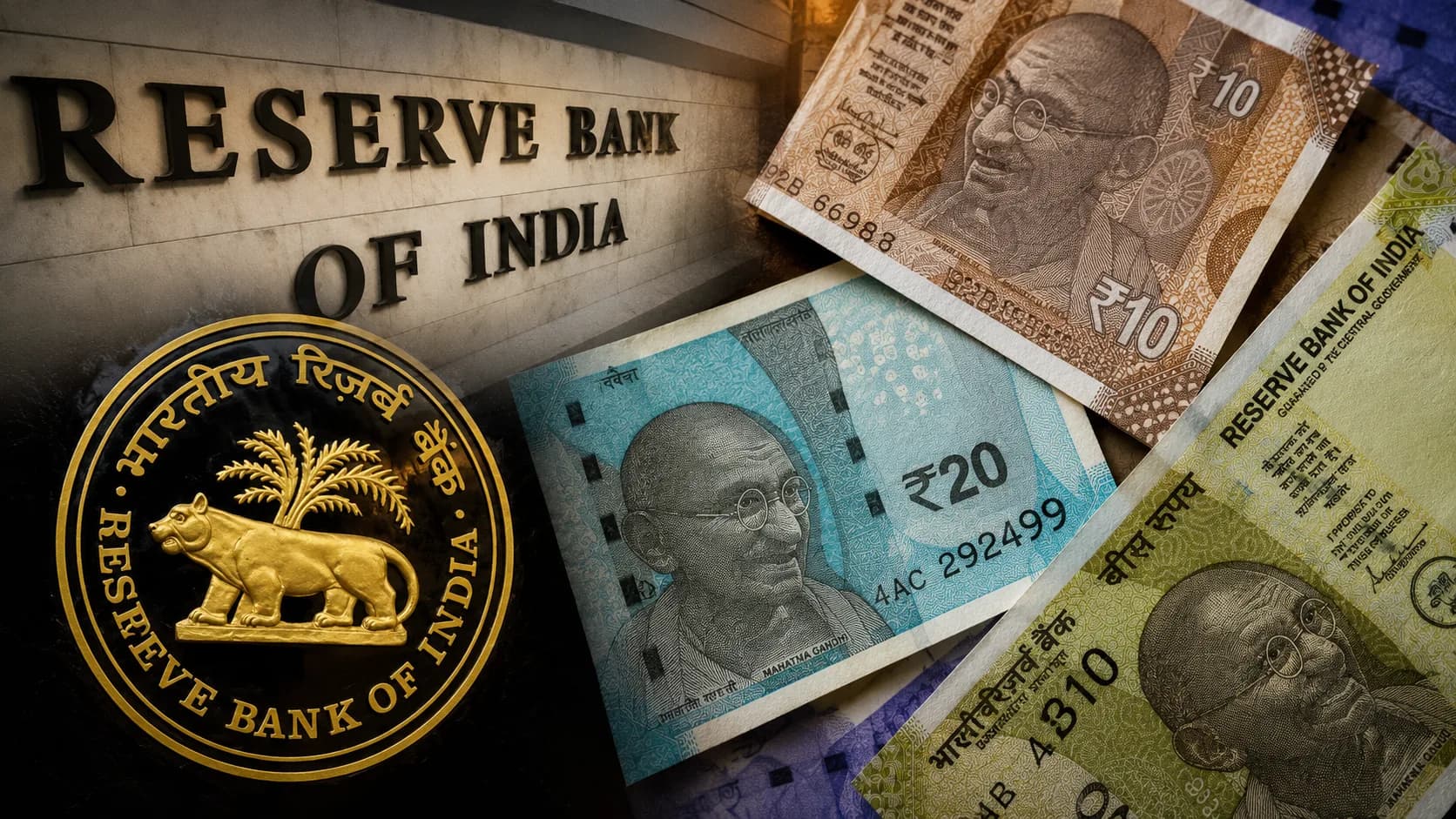
India may soon take a major step towards modernising its currency, with the Reserve Bank of India (RBI) reportedly preparing to test polymer banknotes. The proposed pilot project is expected to begin with Rs 10 and Rs 20 notes, the two denominations that see the highest circulation across the country.
The RBI has invited global Expressions of Interest (EoI) from manufacturers capable of supplying specialised polymer substrate sheets equipped with advanced security features. While this marks progress towards a trial, the Central bank has not announced any nationwide rollout or timeline for replacing existing paper notes.
What are polymer banknotes?
Unlike the cotton-based paper used for Indian currency today, polymer notes are printed on a specialised plastic film known as biaxially oriented polypropylene (BOPP).
Also Read | EPFO PF interest credited? Check balance in easy steps
These notes have a distinctive smooth texture and can include features such as transparent windows, metallic security elements and specialised inks that are much harder to duplicate. Several countries, including Australia, Canada, New Zealand, Singapore and the United Kingdom, already use polymer currency.
Why is RBI considering the switch?
One of the biggest advantages of polymer notes is their durability. Lower-denomination notes like Rs 10 and Rs 20 pass through countless hands every day and wear out quickly. Polymer notes are estimated to last two to four times longer than conventional paper notes, reducing the need for frequent replacement.
They also offer stronger protection against counterfeiting. According to India Today, polymer substrates allow the use of sophisticated security features that make fake notes more difficult to produce.
Another benefit is improved cleanliness. Polymer notes absorb less moisture and dirt, making them more resistant to stains, tears and accidental spills. Although they cost more to manufacture initially, their longer lifespan could reduce overall currency replacement and management costs over time.

Not India’s first attempt
The RBI has experimented with polymer currency before. It conducted a limited field trial of Rs 10 polymer notes in 2013 and later announced another pilot in 2015. However, those plans did not progress to wider circulation.
Also Read | Renting a home without a written agreement? Here’s why experts say it’s a risky move
This latest initiative is viewed as more significant because the RBI has formally begun the process of procuring polymer substrate through a global bidding process, The Economic Times reported.
For now, existing paper notes will continue to remain legal tender. The proposed pilot is only a trial, and any decision on expanding polymer notes to other denominations will depend on its outcome.
FAQs:
Is the RBI replacing all paper currency with polymer notes?
No. The RBI is only preparing for a pilot project with Rs 10 and Rs 20 notes.
Why does the RBI want polymer banknotes?
Polymer notes are more durable, harder to counterfeit and may reduce long-term currency management costs.
