























India could face tariffs of up to 100% after the US Senate voted to advance a sweeping Russia sanctions bill aimed at increasing economic pressure on Moscow over the Ukraine war. The legislation, authored by the late Senator Lindsey Graham, cleared a key procedural vote on Tuesday by 86 votes to 12, coinciding with Ukrainian President Volodymyr Zelensky’s visit to the US Capitol.
The proposed bill targets countries that continue to rely heavily on Russian energy. Along with India, China, Slovakia, Hungary and Azerbaijan could also face steep tariffs if the legislation becomes law. India is currently the world’s second-largest buyer of Russian crude oil after China.
Why is India among the countries under scrutiny?
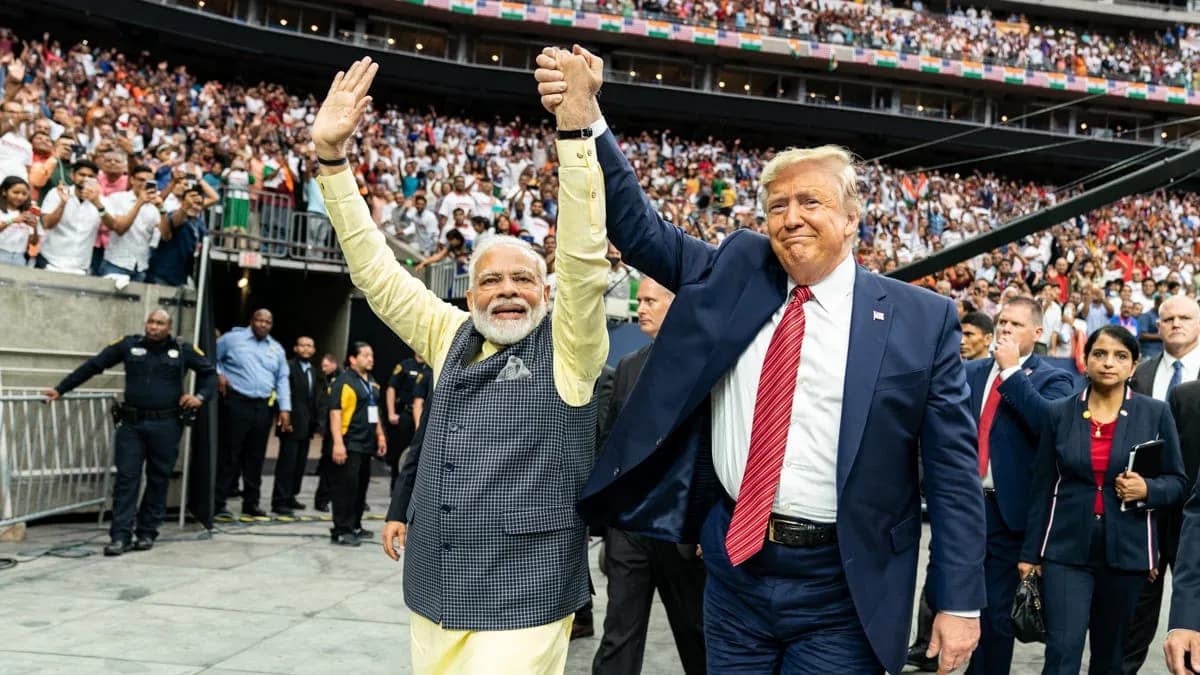
The sanctions bill was introduced in April 2025 and seeks to penalise governments that continue purchasing Russian energy despite Western efforts to isolate Moscow. Earlier this year, Graham said the legislation had been approved by President Donald Trump amid trade tensions between Washington and New Delhi.
Also Read | India, US push for early trade deal as Centre secures lower US tariff
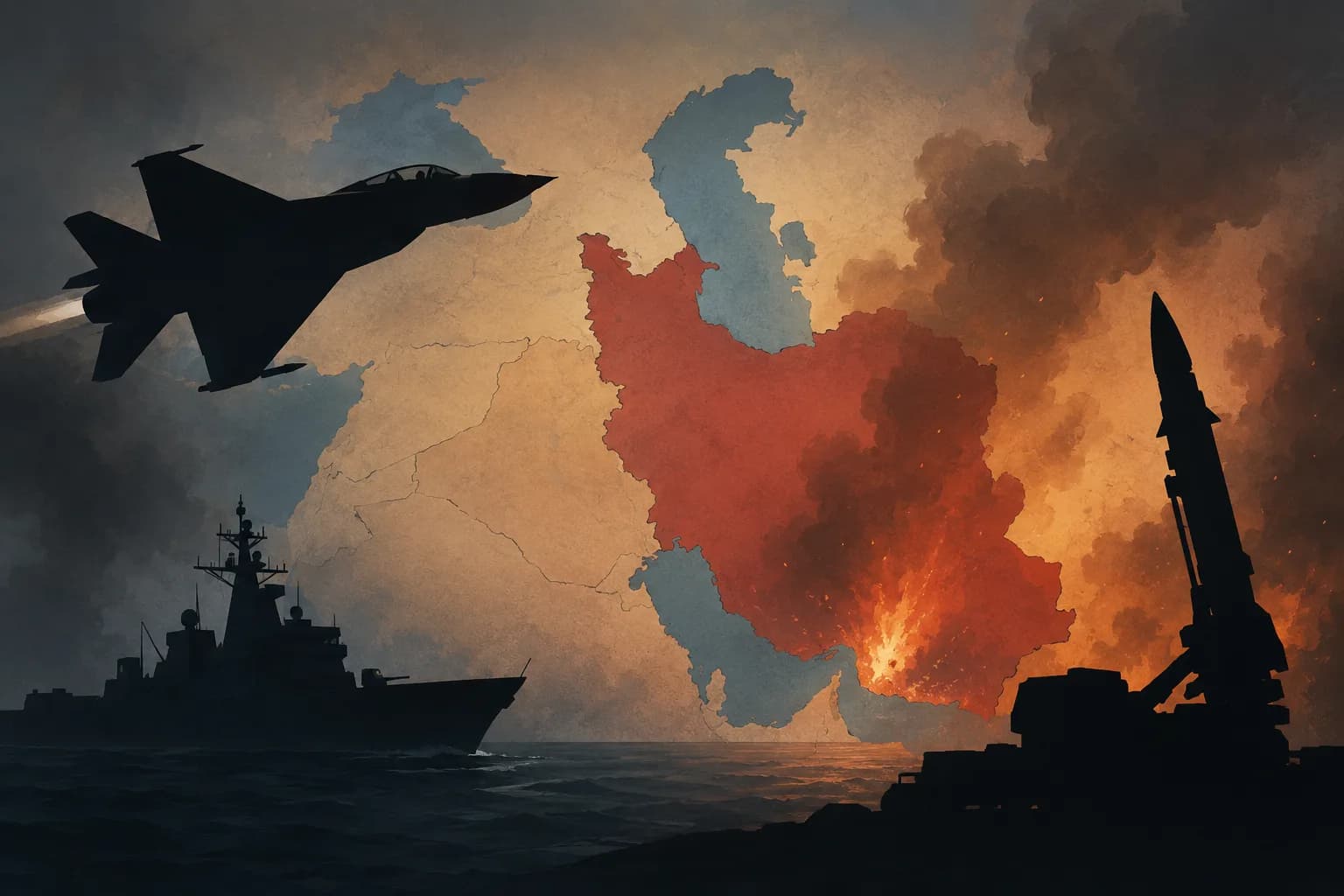
India’s dependence on Russian crude has grown significantly in recent months. The shift accelerated after the conflict in West Asia disrupted oil shipments through the Strait of Hormuz. The Iran-US war reduced the availability of Gulf crude, which had previously met around 40% of India’s oil import requirements. As supplies tightened, Indian refiners increased purchases of discounted Russian oil.
Senator Richard Blumenthal had earlier said that the legislation would make an exception for countries buying Russian gas if their purchases account for less than 15 per cent of Russia’s total gas imports.
Previous US action and the latest developments
The US first imposed penalties on India over its Russian energy trade in August 2025. At the time, President Donald Trump announced an additional 25 per cent tariff on Indian goods, stating it was for “fueling Putin’s war”.
That move raised the total US tariff on Indian exports to 50 per cent, placing India alongside China and Brazil. The decision also led to increased strain in bilateral trade ties, with negotiations slowing down.
Following the outbreak of the US-Iran war in February, concerns over global energy supplies prompted Washington to grant a waiver allowing India to resume imports of Russian crude. According to the US, those purchases “would not bring any profits for Russia.”
Also Read | Will Trump’s 200% generic drug tariff hurt India? Here’s what we know
Russian oil imports hit record levels
After the waiver came into effect, India’s imports of Russian crude climbed sharply. According to the Centre for Research on Energy and Clean Air, imports rose 34 per cent in June 2026, reaching record levels. The purchases were valued at €4.5 billion and accounted for approximately 36 per cent of Russia’s crude oil export revenues.
With the Senate clearing the procedural hurdle, the sanctions bill has moved a step closer to further legislative consideration, keeping India and other major buyers of Russian energy in focus.
FAQs:
Why could India face 100% US tariffs over Russian oil imports?
The proposed US Russia sanctions bill targets countries, including India, that continue importing Russian energy, with tariffs of up to 100%.
Has the US Russia sanctions bill imposing 100% tariffs on India become law?
No, the bill has only cleared a key procedural vote in the US Senate and must complete the remaining legislative process before becoming law.
