























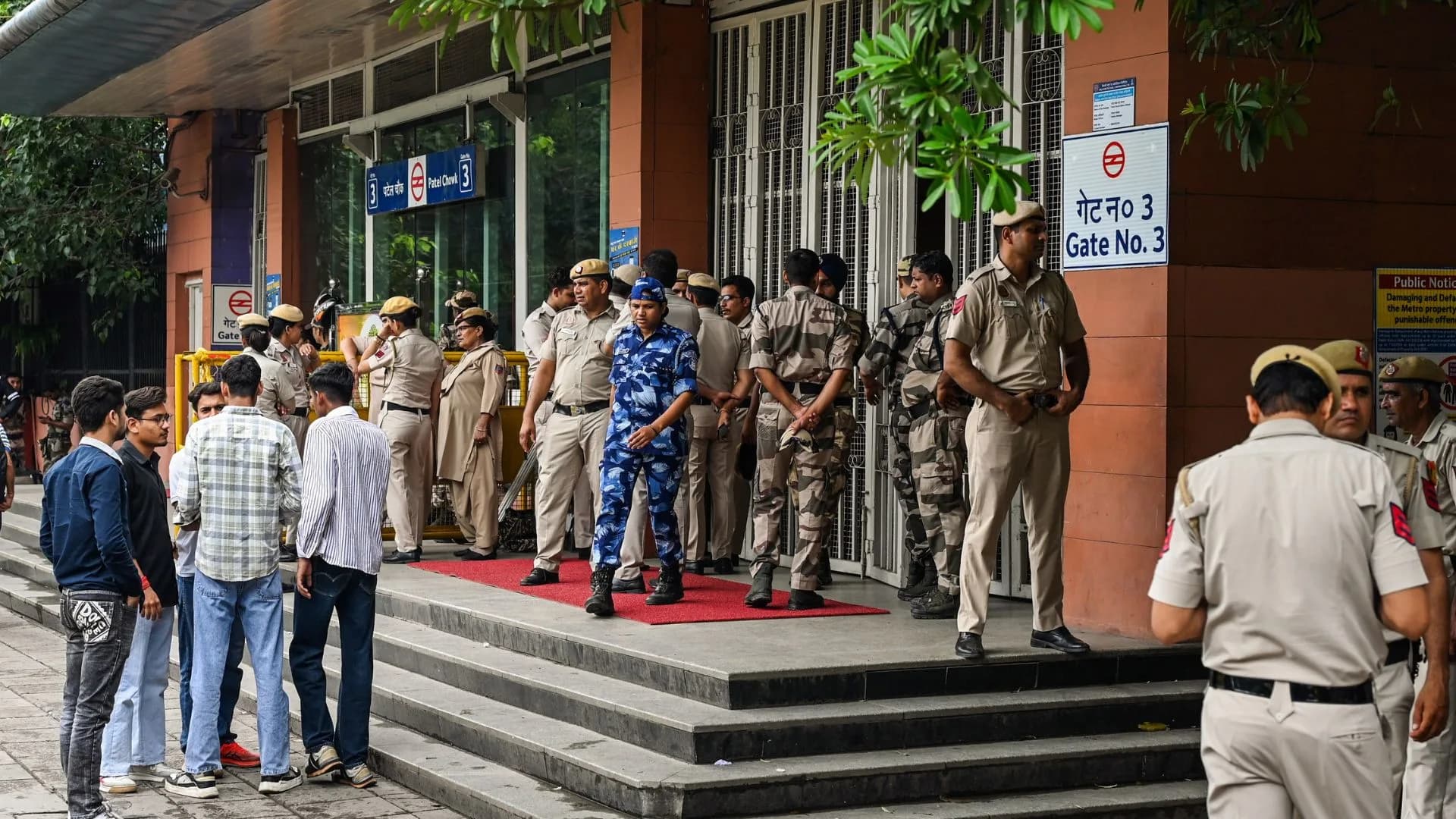
The Delhi Metro ridership witnessed a noticeable decline during the peak of the central Delhi protests, with official data showing an average drop of around 2.67 lakh passenger journeys on weekdays between July 20 and July 24. The decrease came as the Delhi Metro Rail Corporation (DMRC) shut several stations around Jantar Mantar and other key areas in the national capital due to security concerns linked to the large-scale demonstrations.
According to DMRC, while passenger numbers dipped during the protest period, the overall decline remained relatively limited considering the size of the Metro network.
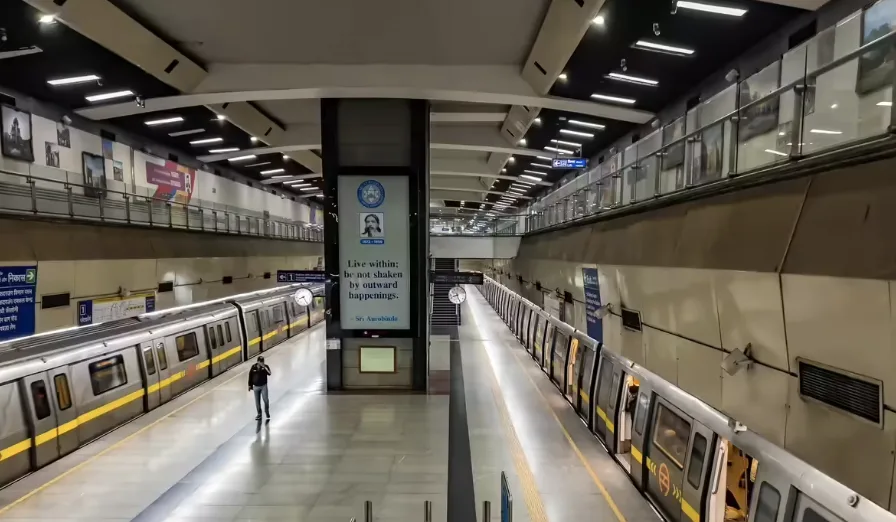
Delhi Metro ridership declined as key stations remained shut
Official figures show that Delhi Metro ridership averaged 6.593 million passenger journeys on weekdays between July 1 and July 19. During the protest period from July 20 to July 24, the figure fell to 6.326 million, reflecting a decline of approximately 4.1 percent.
DMRC officials described the reduction as “nominal”, stating that similar fluctuations are often recorded during weekends, holidays and vacation periods.
The closures affected several of the network’s busiest stations, including Rajiv Chowk, Central Secretariat, Janpath, Patel Chowk, Lok Kalyan Marg, Barakhambha Road, Mandi House and ITO. Many commuters were forced to use nearby operational stations, which helped reduce the overall impact on Delhi Metro ridership.
Also Read | Kangana Ranaut’s statements that sparked nationwide controversy
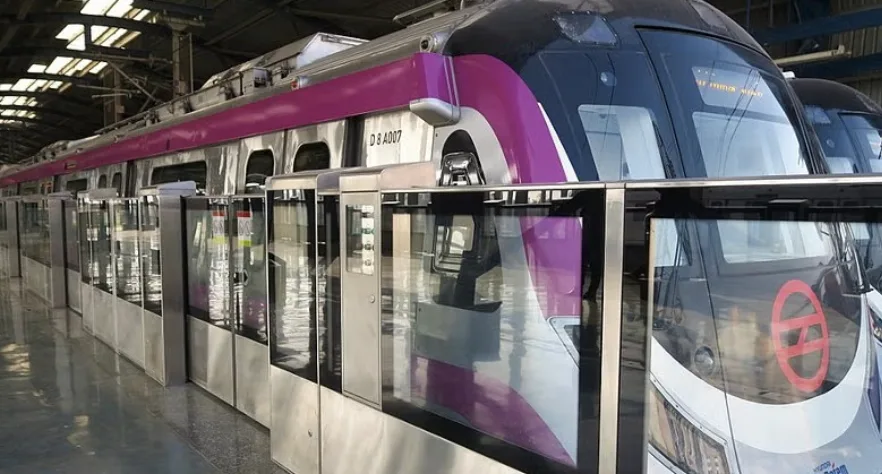
Security restrictions affected access across central Delhi
The fall in Delhi Metro ridership coincided with one of the most extensive security operations witnessed in central Delhi in recent years.
Authorities temporarily shut access to 16 Metro stations located around Parliament, Jantar Mantar and nearby government districts. Alongside Metro restrictions, Delhi Police implemented traffic diversions, multilayer barricading, internet curbs and heightened security during the Monsoon Session of Parliament.
Rajiv Chowk, one of the country’s busiest Metro stations with an average daily footfall of nearly 3.65 lakh passengers, remained among the most significantly affected locations.
DMRC stated that many passengers adapted by entering or exiting the network through neighbouring stations wherever possible.
Also Read | Mallikarjun Kharge targets PM Modi over midnight Instagram message to students
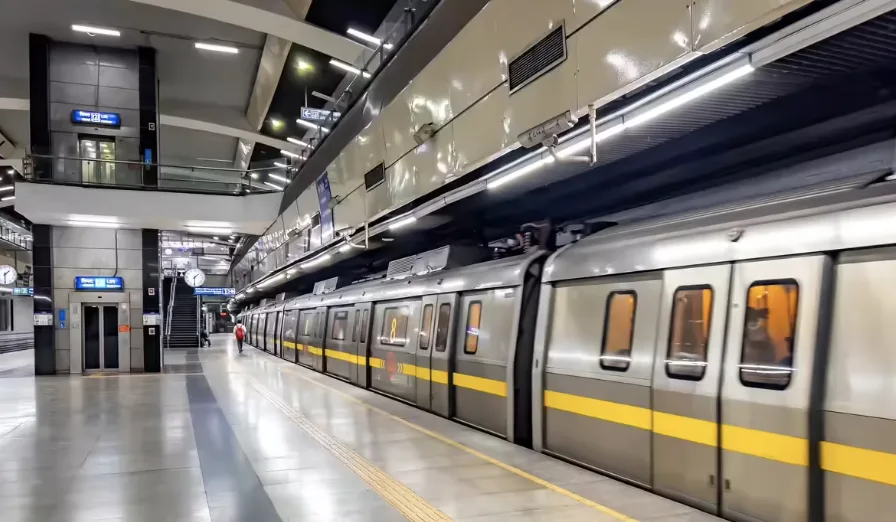
DMRC yet to estimate financial impact
Although Delhi Metro ridership declined during the protest week, DMRC has not yet calculated the financial impact of the reduced passenger traffic.
Officials said estimating revenue loss requires analysing several operational factors beyond passenger numbers alone. The corporation maintained that the temporary decline was expected under extraordinary security circumstances and did not represent a long-term trend.
With Metro services returning to normal after restrictions were lifted, commuter movement across the network has gradually stabilised. However, the latest figures highlight how large-scale security measures in central Delhi can directly influence Delhi Metro ridership, particularly when major interchange stations are temporarily closed.
