

























India’s southwest monsoon has recorded its fifth-driest June-July period in the last 126 years, with rainfall running 24% below normal, according to India Meteorological Department (IMD) data analysed in a report by SBI Research.
The report said nearly 60% of India’s 741 districts recorded deficient or largely deficient rainfall between June 1 and July 17, raising concerns over agriculture and water availability in several states.
Also Read | From Delhi to Northeast, IMD warns of floods and landslides amid active monsoon
Which states have been hit the hardest?
According to the SBI Research report, Bihar has witnessed the sharpest rainfall deficit, with 95% of its districts receiving below-normal rain. It is followed by Kerala (86%) and Telangana (85%).
Other states reporting widespread rainfall deficits include Andhra Pradesh, Uttar Pradesh, Karnataka, Gujarat and Punjab, where between 64% and 81% of districts have recorded deficient rainfall.
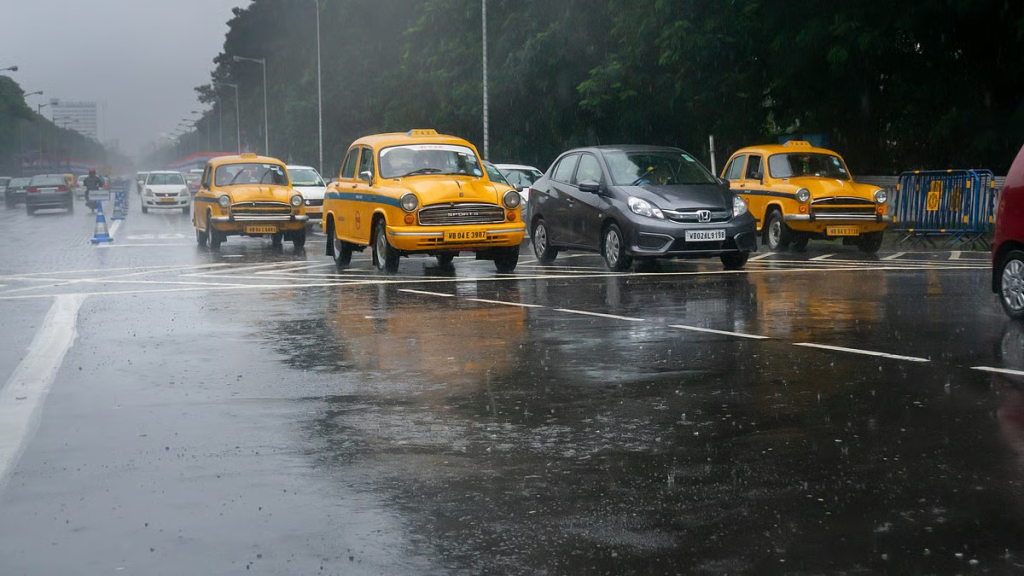
State-wise, Bihar has received 46% less rainfall than normal, while Punjab has recorded a 38% deficit. Kerala and Telangana have reported rainfall shortages of 33-34% since the beginning of the monsoon season.
Will weak monsoon push up food prices?
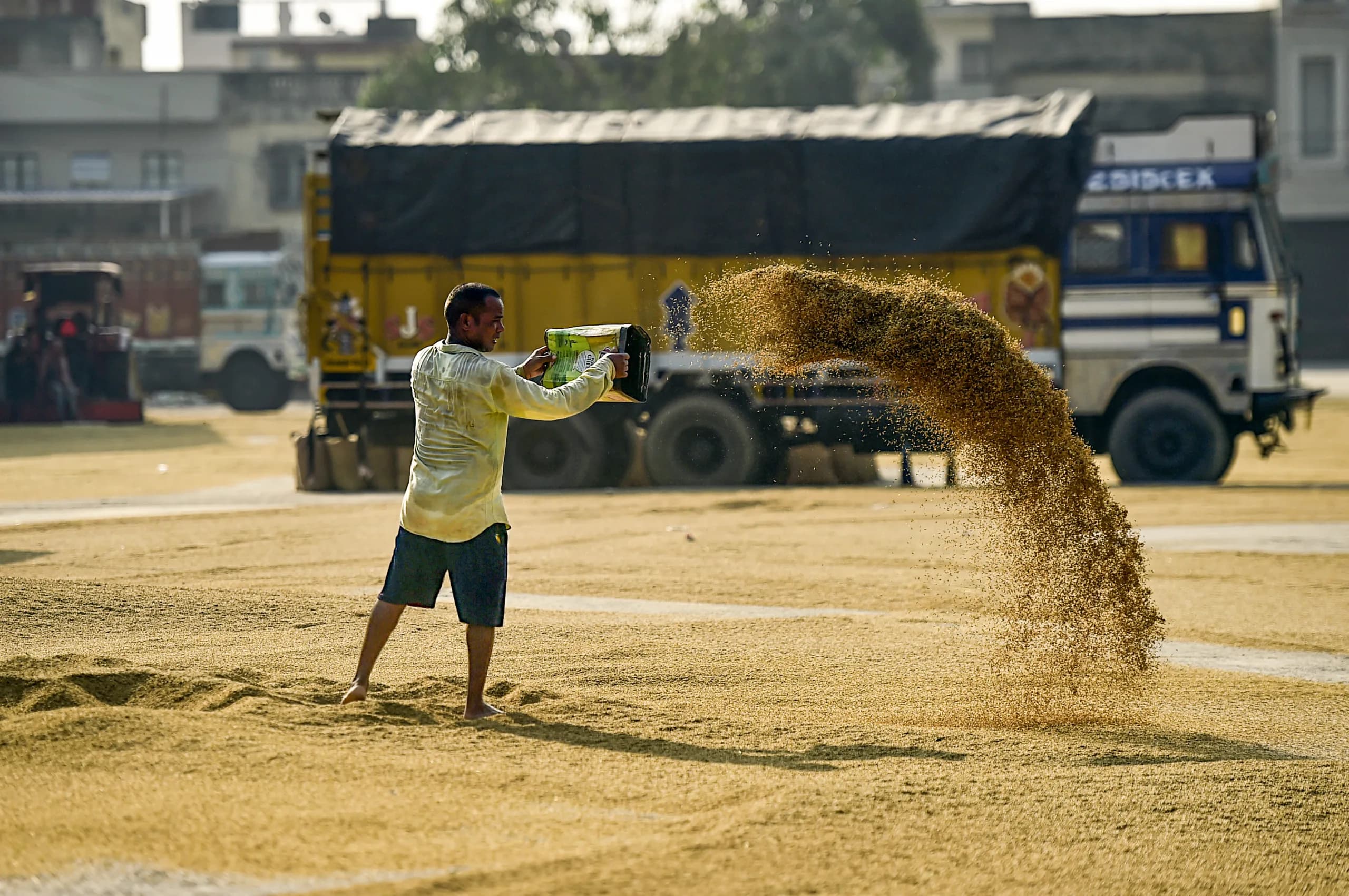
Despite the significant rainfall deficit, SBI Research believes food inflation is unlikely to witness a sharp rise this year.
The report noted that below-normal rainfall does not automatically translate into higher food prices, adding that the timing and geographical distribution of rainfall play a more important role than the overall seasonal deficit.
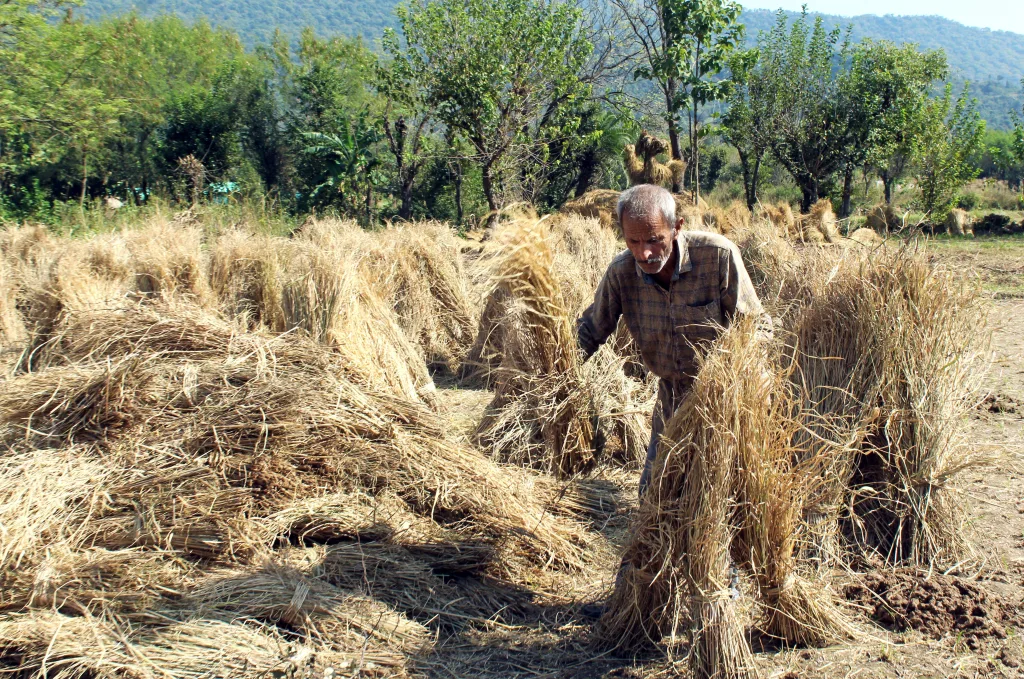
It cited 2018 as an example when India experienced below-normal rainfall but food inflation remained largely stable due to favourable rainfall distribution.
The report identified 2009, an El Niño year, as the major exception. Food inflation had surged to 13.1%, but SBI Research said the increase was driven not only by weak rainfall but also by factors such as a 40% hike in minimum support prices (MSP), implementation of the Pay Commission recommendations, and a ₹60,000-crore farm loan waiver.
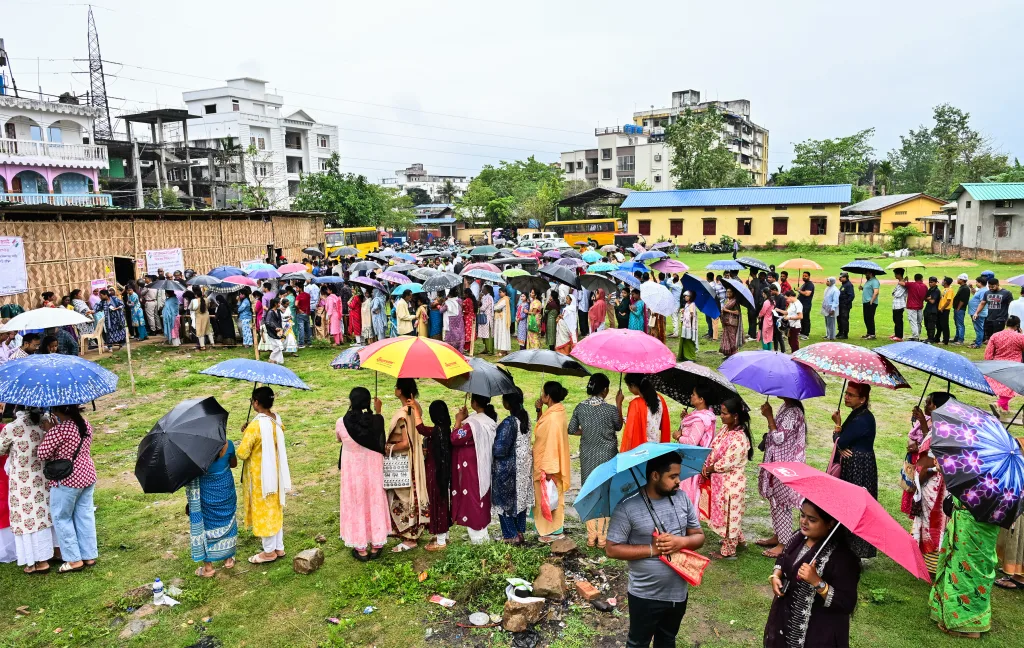
For the current season, SBI Research estimates average food inflation during June-September 2026 at around 6%, lower than the 7.7% recorded in 2023 and 8.2% in 2024.
Also Read | Sonam Wangchuk ends 23-day fast after JP Nadda’s talks with protesters
The report also said the Indian Ocean Dipole (IOD) remains neutral at -0.06°C as of July 12, but could turn positive during August-September, potentially supporting a recovery in monsoon rainfall during the second half of the season. However, it cautioned that forecasts differ on the timing and intensity of such a shift.
FAQs
Q1. Which states have recorded the highest rainfall deficit in Monsoon 2026?
Bihar, Kerala and Telangana have reported the sharpest rainfall deficits, with Bihar being the worst affected.
Q2. Will the weak monsoon increase food inflation?
According to SBI Research, food inflation is expected to average around 6% during June-September 2026, and a rainfall deficit alone is unlikely to trigger a major price spike.