


















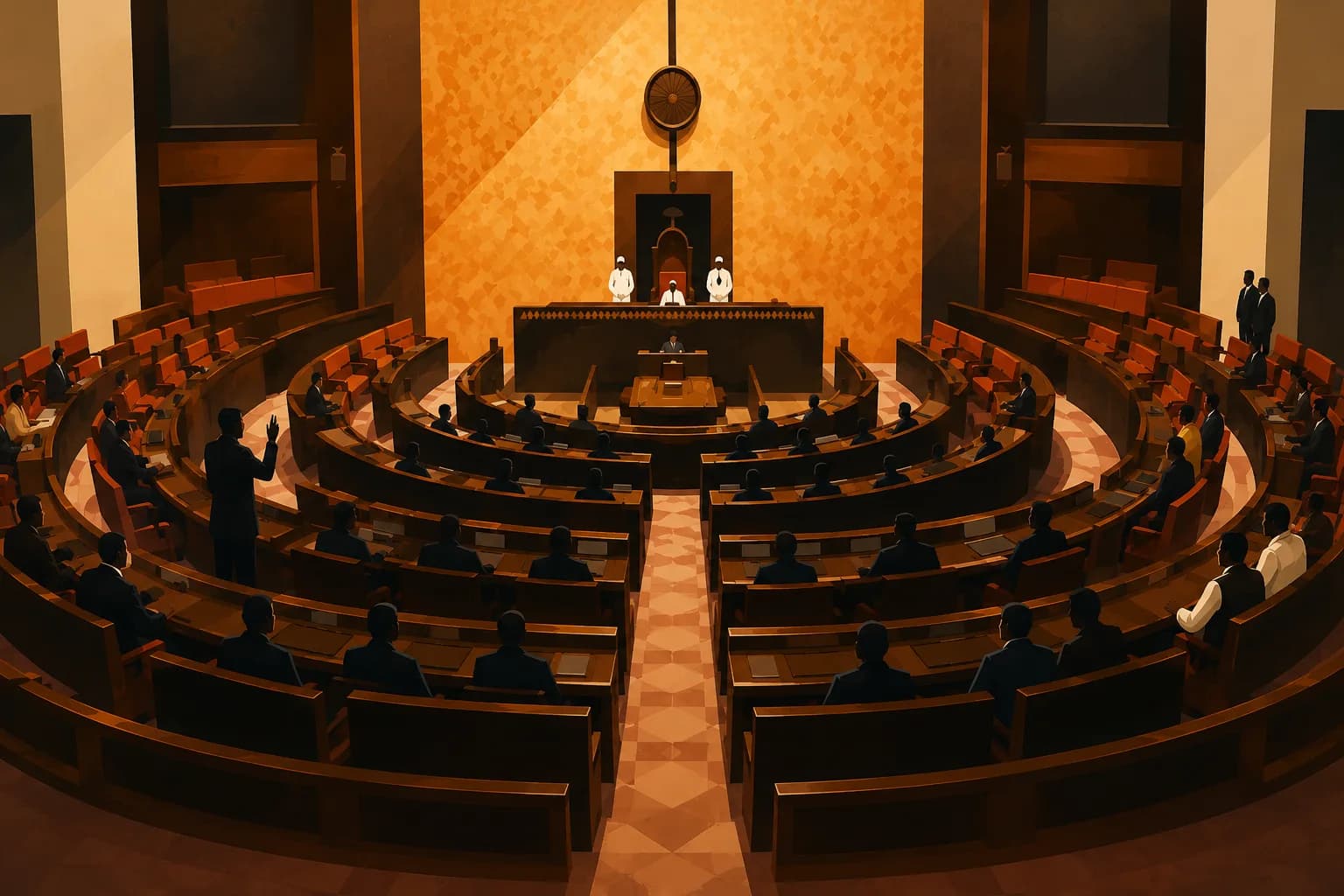







The bill against Vande Mataram’s insult was passed by the Rajya Sabha on Wednesday, extending legal protection to the national song by making intentional obstruction, disruption or acts of disrespect during its rendition a criminal offence. The legislation amends the Prevention of Insults to National Honour Act, 1971, and now moves forward in the legislative process after clearing the Upper House.
The debate, however, unfolded amid repeated protests by Opposition members, who raised concerns over police action against student demonstrators and eventually staged a walkout during the discussion.
What the Vande Mataram insult bill proposes
The bill against Vande Mataram’s insult broadens the scope of the existing law governing national symbols by including intentional acts that obstruct or disturb the singing of the national song.
The amendment also reinforces protections relating to the national flag, the Constitution and the national anthem. Under the proposed provisions, acts of desecration or deliberate disrespect toward these national symbols can attract criminal penalties, including imprisonment of up to three years.
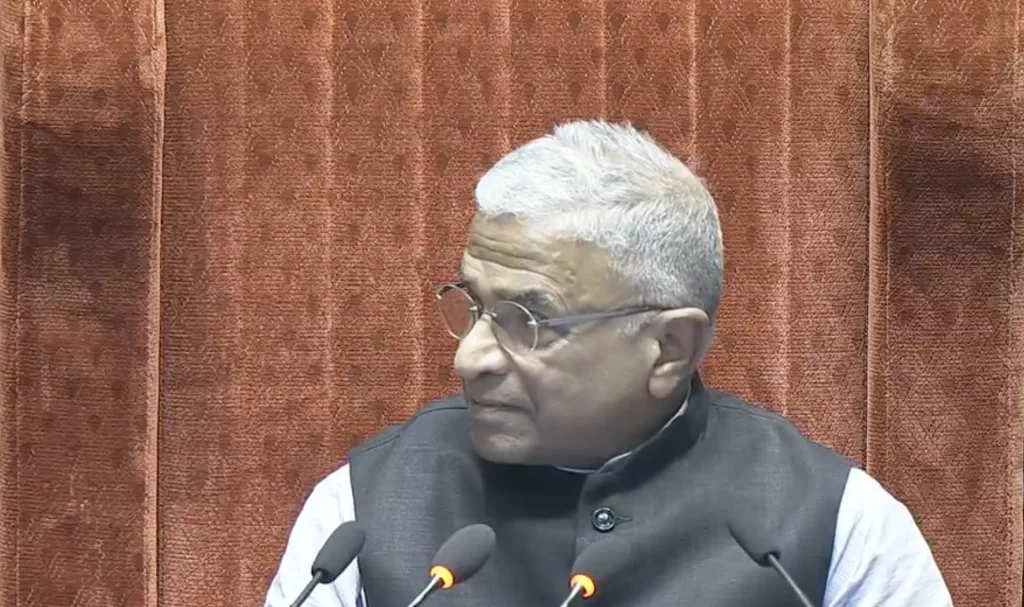
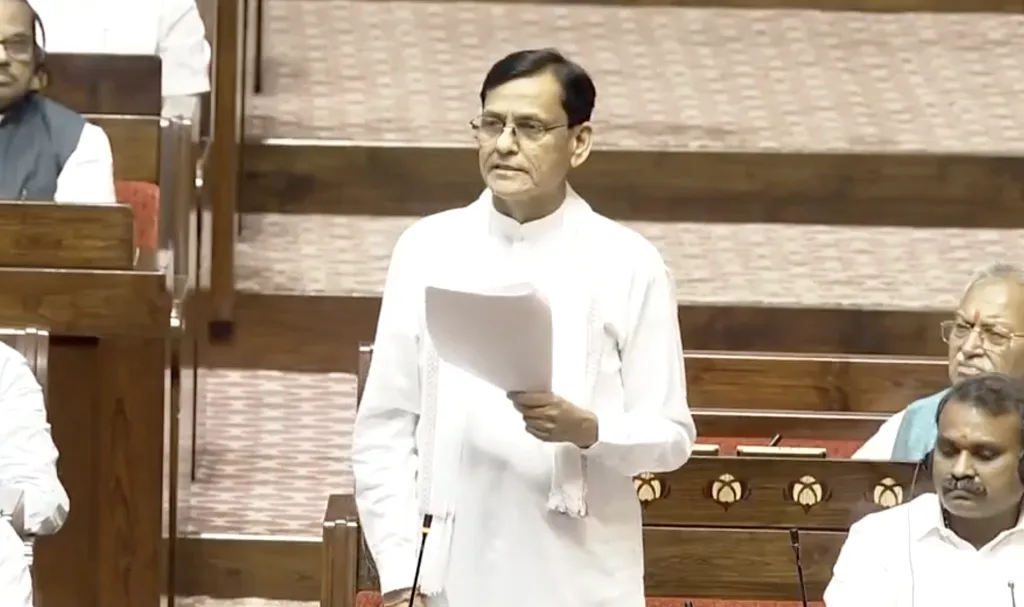
The bill was introduced in Parliament by Minister of State for Home Affairs Nityanand Rai before being taken up for consideration and passage in the Rajya Sabha.
Also Read | Lok Sabha goes Gen Z: ‘Clock It’, ‘Delulu’ and ‘FOMO’ steal the spotlight during Exam Bill debate
Opposition protests dominate debate
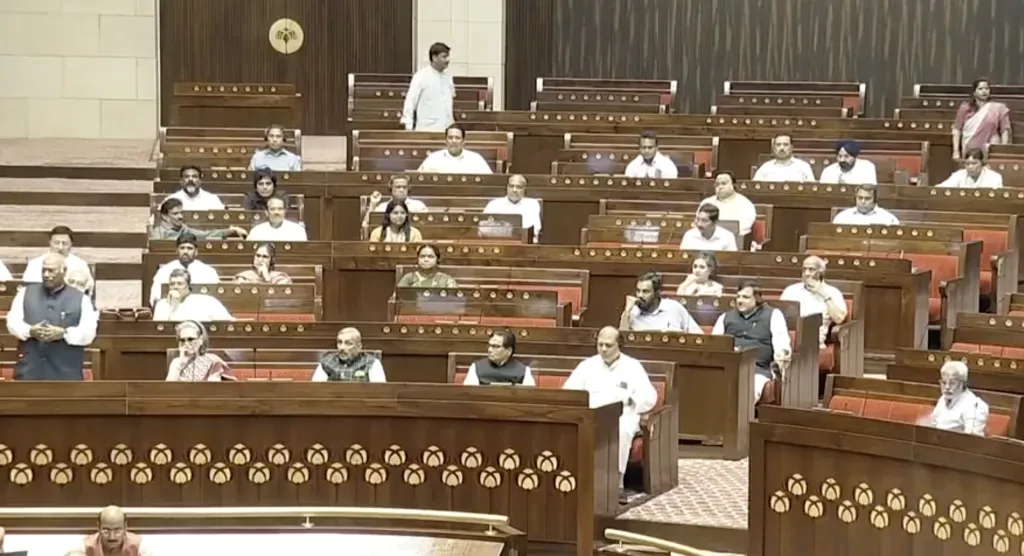
Proceedings in the Rajya Sabha were repeatedly interrupted as Opposition members demanded a statement from Union Home Minister Amit Shah regarding allegations of excessive police action against student protesters.
The protests escalated into sloganeering inside the House before Opposition parties walked out during the debate on the Vande Mataram insult bill.
Despite the disruption, the government secured passage of the legislation.
Also Read | Meta under scrutiny: Centre summons Joel Kaplan, Adam Mosseri over IT rules compliance
Political confrontation extends to Lok Sabha
The political confrontation continued in the Lok Sabha, where Congress leader Rahul Gandhi criticised the government’s handling of student demonstrations and questioned the reported use of force during the protests.
His remarks triggered strong objections from Treasury benches, with BJP members demanding an apology and rejecting his allegations.
Following the debate, Gandhi claimed he was prevented from completing his speech in Parliament and announced that he would address the issues in a press conference later in the day.
With the Vande Mataram insult bill now approved by the Rajya Sabha, it marks another significant amendment to India’s laws protecting national symbols and honours.
