





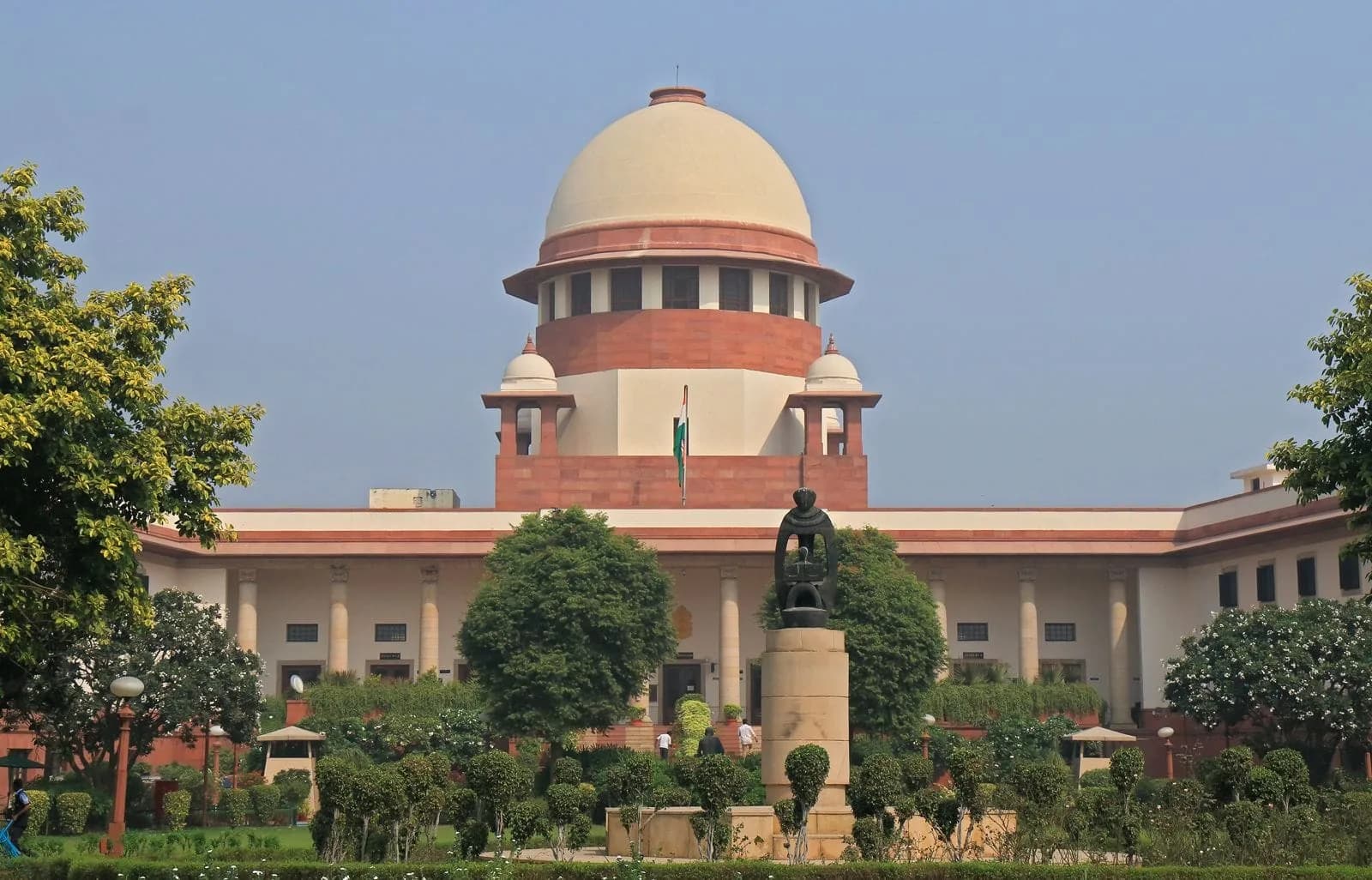





















Nearly two years after the death of former Prime Minister Dr Manmohan Singh, the Supreme Court has brought an end to a long-running legal battle by clearing him in the Talabira-II coal block allocation case. In a major ruling, the apex court set aside a 2015 Special CBI Court order that had summoned Singh and five others to face trial, effectively accepting the Central Bureau of Investigation’s conclusion that there was no evidence to prosecute them.
The verdict closes an 11-year legal dispute that began after the Special CBI Court rejected the agency’s closure reports and decided to proceed against the accused despite the investigation finding no criminal case.
Supreme court accepts CBI closure reports
A Bench headed by Chief Justice of India Surya Kant accepted the CBI’s closure reports, observing that the Special Judge had no valid basis to reject them. The Court noted that the investigating agency had conducted a detailed probe and submitted two separate closure reports, both reaching the conclusion that no criminal offence was made out against the accused.
Also Read | Supreme Court sees prima facie case for independent probe into CJP protest violence
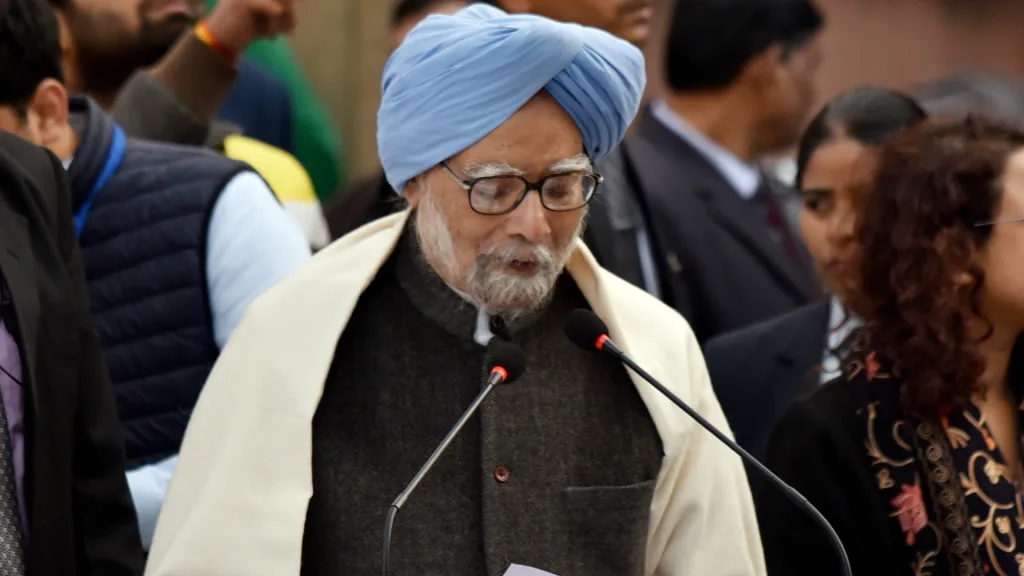
With the latest judgment, the Supreme Court has quashed the March 11, 2015 order passed by the Special CBI Court, accepted both closure reports and formally closed the case on merits.
Background of the Talabira-II coal block case
The case relates to the allocation of the Talabira-II coal block in Odisha in 2005, when Dr Manmohan Singh was also holding the Coal Ministry portfolio. Although the CBI concluded that there was insufficient evidence to prosecute the former Prime Minister, the Special CBI Court had summoned him along with five others on charges including criminal conspiracy and criminal breach of trust.
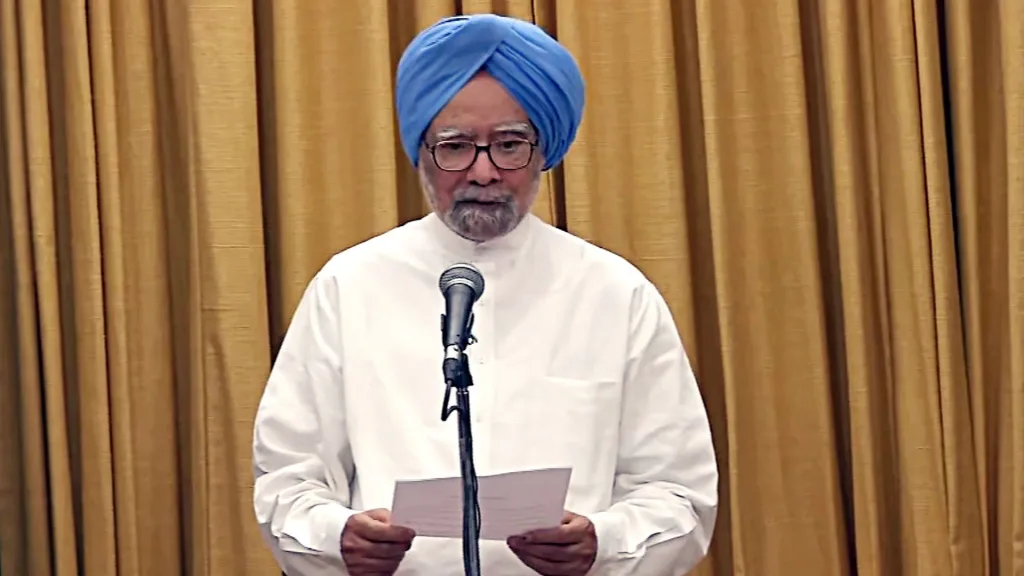
The Supreme Court had stayed the trial court proceedings on April 1, 2015, just weeks after the summons order. That interim stay remained in force while the apex court examined the legality of the Special Court’s decision.
Also Read | FSSAI suspends Park Plaza Hotel licence over hygiene lapses
Legal proceedings finally come to an end
The judgment brings closure to one of the remaining criminal cases connected to the wider coal block allocation controversy that dominated political discussions during the UPA government. It also reiterates that while trial courts are empowered to differ from an investigating agency’s conclusions, such decisions must be supported by sound legal reasoning.
By accepting the CBI’s findings and bringing the matter to a close, the Supreme Court has ended a legal chapter that remained unresolved for more than a decade, posthumously clearing Dr Manmohan Singh in the Talabira-II coal block allocation case.
FAQs:
Why did the Supreme Court clear Manmohan Singh in the Talabira-II coal block allocation case?
The Supreme Court accepted the CBI’s closure reports, ruling that there was no evidence to prosecute Manmohan Singh and quashing the 2015 trial court order.
What is the Talabira-II coal block allocation case?
The case relates to the 2005 allocation of the Talabira-II coal block in Odisha, in which the Supreme Court has now closed proceedings after accepting the CBI’s findings.
