
























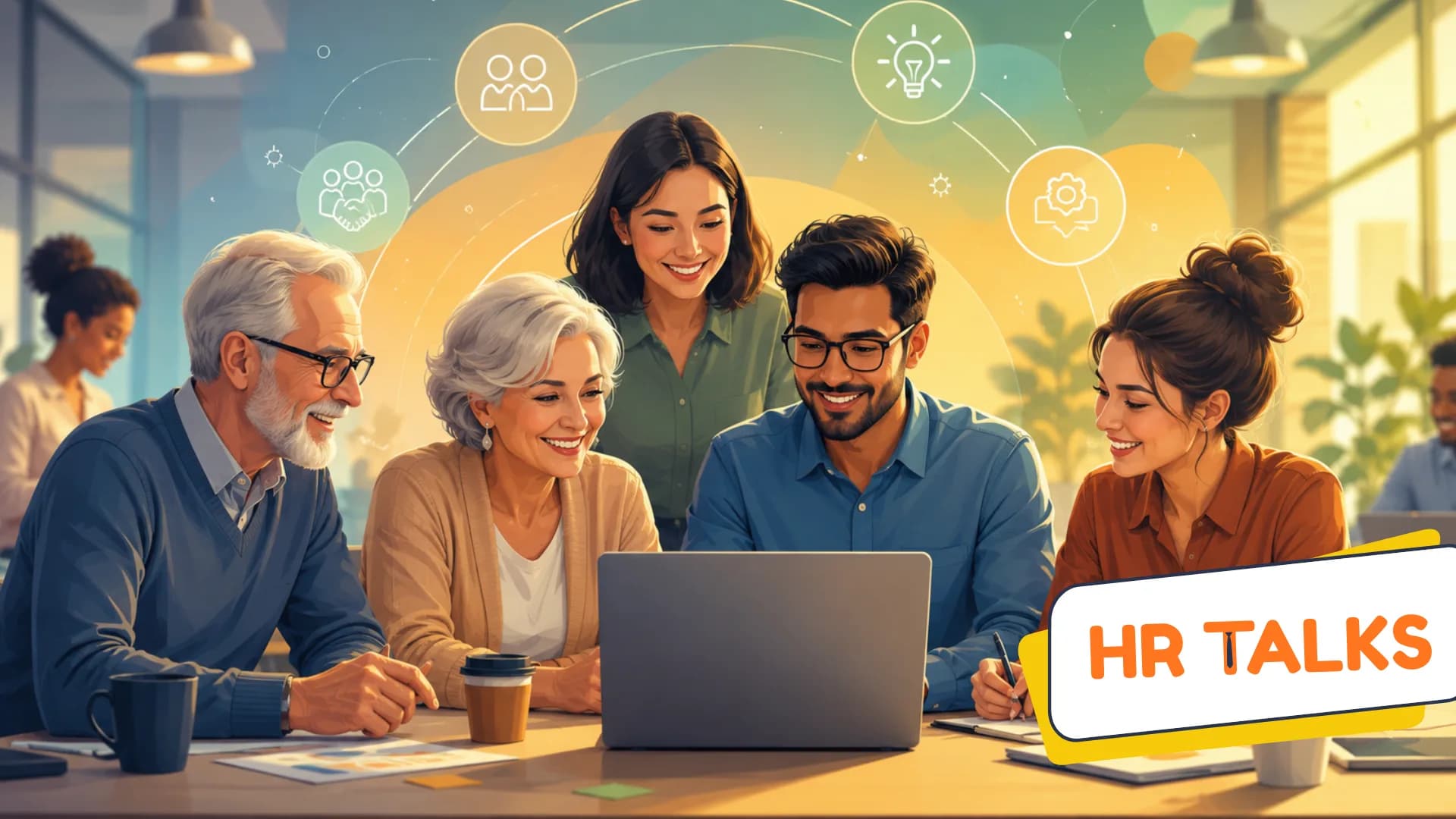
In today’s rapidly evolving workplace, organisations are witnessing an unprecedented phenomenon: a workforce comprising multiple generations working side by side. From seasoned Baby Boomers to tech-savvy Generation Z professionals, companies are navigating the opportunities and challenges that come with managing a multi-generational workforce.
A multi-generational workforce typically includes employees from four to five generations, each bringing unique experiences, values, work styles, and expectations. While this diversity can sometimes create communication gaps and differing workplace preferences, it also offers organizations a powerful competitive advantage when managed effectively.
Understanding the generational mix
Each generation has been shaped by distinct social, economic, and technological developments. Older employees often bring institutional knowledge, industry expertise, and strong relationship-building skills. Younger generations contribute fresh perspectives, digital fluency, adaptability, and innovative approaches to problem-solving.
Also Read | Automation reshuffle: HDFC Bank reduces workforce by over 3,300
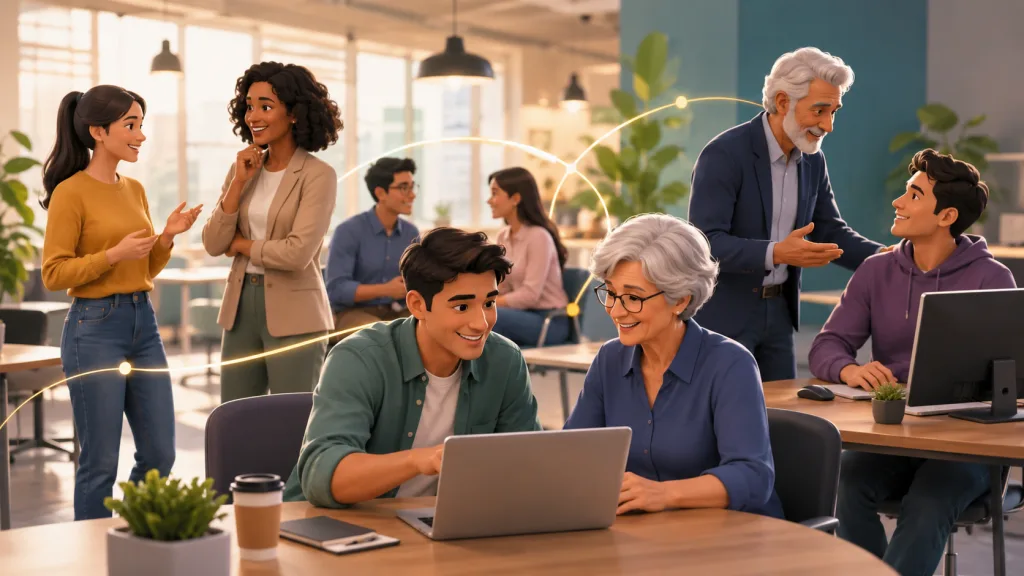
Rather than viewing these differences as barriers, organizations are increasingly recognizing them as complementary strengths that can drive business success.
Challenges in a multi-generational workplace
One of the most common challenges is communication. While some employees prefer face-to-face discussions or emails, others are more comfortable with instant messaging and collaborative digital platforms.
Work expectations may also vary significantly. Senior employees may value stability, loyalty, and structured career progression, whereas younger professionals often prioritize flexibility, purpose-driven work, learning opportunities, and work-life balance.
These differences can sometimes lead to misunderstandings, stereotypes, or workplace conflicts if not addressed proactively.
Building an inclusive work environment
Successful organizations focus on fostering a culture of respect and inclusion where every generation feels valued. Leaders play a crucial role in encouraging open dialogue, understanding diverse perspectives, and creating opportunities for collaboration.
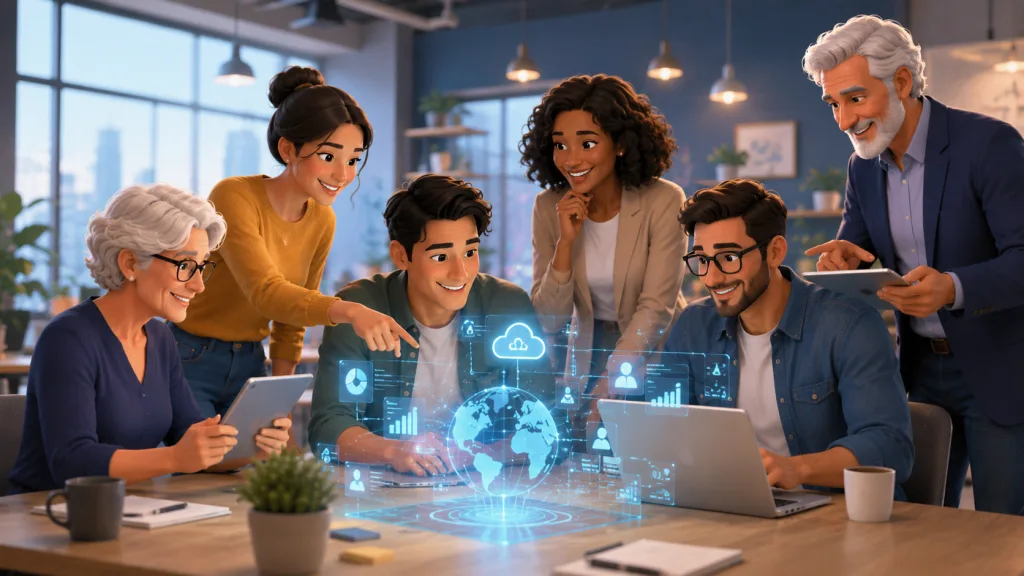
Cross-generational mentoring programs have emerged as an effective strategy. Traditional mentoring allows experienced employees to share knowledge and leadership insights, while reverse mentoring enables younger employees to help senior colleagues understand emerging technologies, digital trends, and evolving consumer behaviours.
Embracing flexible workplace practices
Flexibility has become a key expectation across generations, although the reasons may differ. While younger employees may seek remote working options and career mobility, experienced employees may appreciate flexible arrangements that support personal commitments or phased retirement plans.
Organizations that offer adaptable work models are often better positioned to attract, engage, and retain talent across age groups.
Leveraging technology for collaboration
Digital tools can bridge generational differences when implemented thoughtfully. Providing adequate training and support ensures that employees of all age groups can confidently adopt new technologies. At the same time, organisations should avoid assuming that technological competence is determined solely by age.
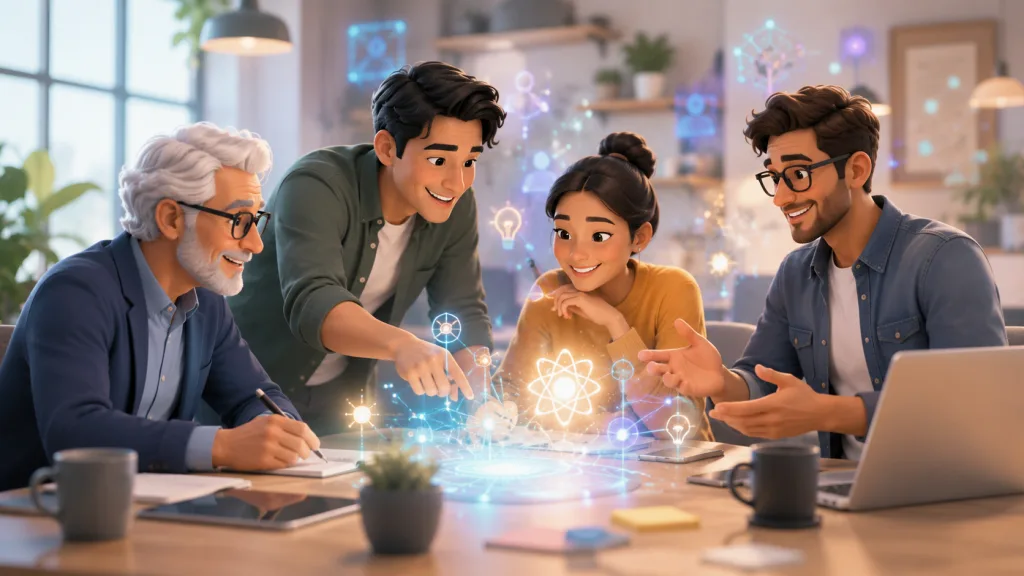
Creating an environment of continuous learning helps employees stay relevant and engaged throughout their careers.
The business advantage
Research consistently shows that diverse teams make better decisions and foster greater innovation. A multi-generational workforce combines experience with fresh thinking, enabling organisations to understand broader customer demographics and respond effectively to changing market demands.
Also Read | ‘Managers don’t call after work’: Indian in Japan shares workplace culture that wins internet
Companies that successfully harness generational diversity often experience stronger employee engagement, improved knowledge transfer, enhanced innovation, and greater organizational resilience.
Looking ahead
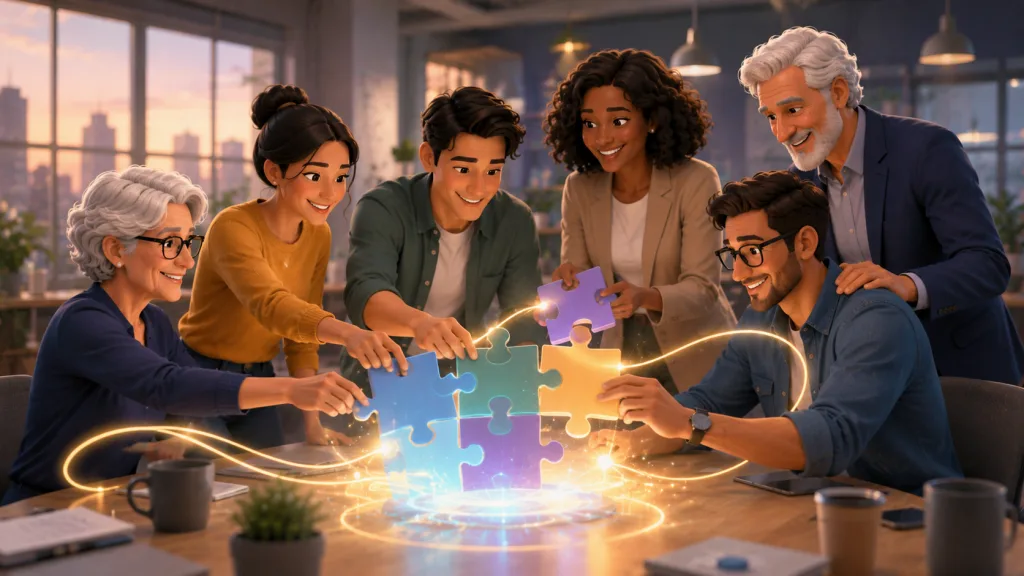
As workforce demographics continue to evolve, managing a multi-generational workforce will remain a critical leadership priority. Organizations that embrace generational diversity, encourage collaboration, and foster an inclusive culture will be better equipped to thrive in an increasingly dynamic business environment.
Ultimately, the goal is not to eliminate generational differences but to leverage them. When employees of all ages work together with mutual respect and shared purpose, organizations can unlock the full potential of their workforce and build a stronger future for everyone.
